
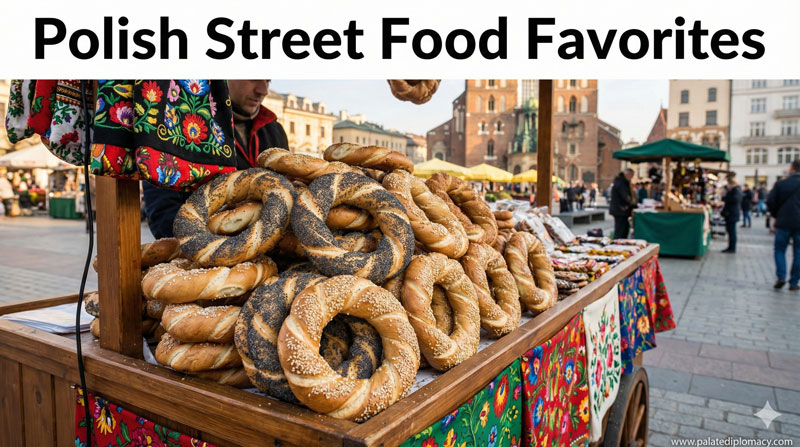
The Story Behind Obwarzanek Krakowski, a Polish Food Favorite
In the heart of Kraków, a ring-shaped bread invites both locals and visitors to slow down and savor a moment. Obwarzanek Krakowski is more than a snack; it is a warmly remembered ritual, a bite that carries memory and craft. The Story behind this treat is a tale of skill handed down through generations, of markets, bakers, and a city that loves to share. Each twist of dough, each glaze of seeds, speaks to a culture that values practicality, beauty, and hospitality.
Cultural Value in Kraków
Obwarzanek Krakowski sits at the crossroads of daily life and communal tradition. Locals begin their mornings with the scent of rising dough and the sight of bakers shaping rings with practiced ease. The bread is a companion for walks along the historic streets, a companion for coffee in squares, and a thoughtful gift at small gatherings. Its presence in markets and bakeries signals a shared pride in regional craftsmanship. This piece of food culture embodies a calm, welcoming spirit: simple, reliable, and deeply cherished. In Kraków, the obwarzanek connects people to place, time, and craft, turning a snack into a small, accessible ceremony of everyday life.
The Craft: Ingredients and Technique
The craft begins with fundamental ingredients: flour, water, yeast, and salt. A touch of sweetness helps the dough rise with a gentle lift, while the shaping turns a humble lump into a recognizable ring. The key step is boiling the formed rings briefly in water that may carry a whisper of baking soda, which gives the crust its subtle sheen and chewy bite. After the boil, bakers dust the rings with toppings and slide them into a hot oven. The finish is a thin, crisp crust that yields to a soft, airy crumb. This balance—crisp exterior, tender interior—defines the signature experience of biting into an obwarzanek.
Varieties and Flavor Profiles
Colorful seeds and textures illuminate the variety within a single tradition. Sesame seeds add a nutty fragrance and a gentle crunch, while poppy seeds bring a delicate, peppery note. Some rings wear a light sparkle of coarse salt, offering a bright contrast to the dough’s softness. Each topping captures a moment of the baker’s artistry and the eater’s preference. While the core method remains constant, these small choices invite personal connection: a familiar topping shared among friends, or a preferred variation enjoyed during a stroll through the old town. The result is a flexible, seasonal snack that still feels timeless.
Serving, Etiquette, and Community
Obwarzanek is at Home in casual moments and small celebrations alike. It pairs beautifully with tea or coffee, offering a comforting warmth with every bite. People often share pieces with neighbors and guests, turning a simple snack into a moment of connection. Its portability makes it ideal for markets, festivals, and street corners, where conversations linger as long as the aroma does. In this way, the bread reinforces a culture of hospitality: a welcoming bite, a friendly exchange, and a shared slice of local life.
Preservation of Craft in Modern Kraków
Today’s bakeries honor the enduring skill behind obwarzanek while inviting new tasters to explore its textures. Modern kitchens blend tradition with accessible techniques, yet the heart of the craft remains the same: patient kneading, careful shaping, and precise timing in the boil and bake. This balance preserves the bread’s integrity while allowing fresh interpretations. The result is a living tradition that continues to thrive in markets, cafes, and family kitchens, inviting people to learn, taste, and carry the memory forward.
A Gentle Celebration of Polish Culinary Beauty
The obwarzanek Krakowski celebrates more than flavor; it celebrates a way of life. Its round shape suggests continuity and welcome; its seeds and crust reveal a commitment to craft and quality. It stands as a small, daily artwork—delightful to the eye, satisfying to the palate, and comforting to the spirit. By elevating a simple dough into a beloved cultural treasure, Kraków offers a bridge between generations, a shared language of taste, and a reminder that food can be both humble and profoundly meaningful.
Conclusion: A Timeless Favorite in Polish Food Culture
From the warmth of the oven to the bustle of the market, obwarzanek Krakowski embodies a cherished slice of Polish food culture. It invites curious tasters to pause, observe the craft, and enjoy a moment of communal delight. In its round, seed-speckled form, it captures the city’s love for quality, craft, and friendly hospitality. This is the story of a favorite—alive in tradition, accessible in every bite, and a lasting symbol of Kraków’s culinary heart.