
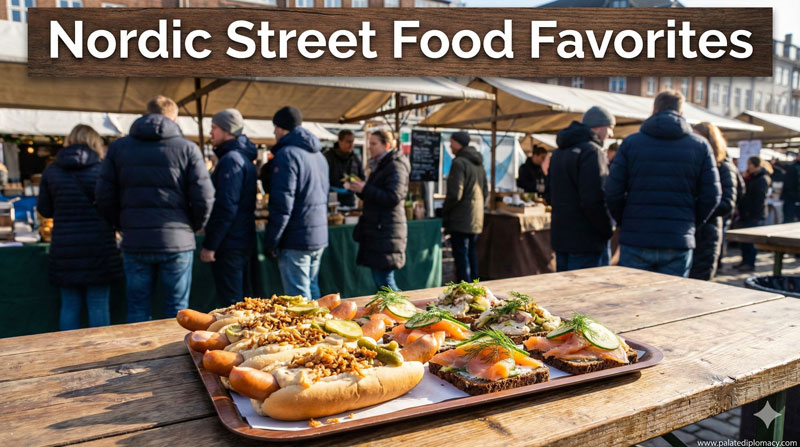
The Story Behind Open-Faced Sandwiches: A Nordic Favorite
Open-faced sandwiches rise from the table with a quiet confidence. They are colorful, balanced, and full of season. In Nordic kitchens, this simple concept carries a deep sense of place. The dish speaks of bread, local ingredients, and patient craft. It invites conversation as much as it invites appetite. This post explores the cultural value and culinary significance of open-faced sandwiches, a beloved Nordic favorite.
A Concept That Feels Both Simple and Elevating
The idea is straightforward: a sturdy slice of bread, topped with a thoughtful arrangement of flavors. Yet the result feels ceremonial. First, the bread must be worthy—crisp on the outside, soft inside, with a nutty aroma. Next, the toppings arrive in layers: a spread, a protein, a veil of vegetables, and a final brush of seasoning. The magic lies in balance. Each layer must sing without drowning the others. In this way, the dish is a study in restraint and harmony.
Craft and Technique: The Quiet Work of Taste
Technique matters, but it remains approachable. Open-faced sandwiches honor the bread. A light butter or a gentle spread helps the toppings cling without overpowering the grain. The toppings showcase freshness. A thin slice of fish, a ribbon of pickled cucumber, a caper, or a soft herb can transform a bite. The goal is clean lines and clear flavors. Carving, slicing, and arranging are done with care, often on a single plate that becomes a mini canvas. In this discipline, culinary skill is visible in the order of elements and the pace of assembly. The resulting plate feels crafted, not hurried.
Seasonal and Regional Voices: Tastes of the Year
Nordic open-faced sandwiches live in rhythm with the seasons. In spring and early summer, bright herbs, cucumber, radish, and delicate fish come forward. Summer brings shrimp, dill, eggs, and ripe tomatoes. Autumn gifts us root vegetables, mushrooms, and smoked fish. Winter favorites lean on sturdy bread, patience, and preserved or smoked products. Regional varieties reflect local gardens, lakes, and seas. Denmark often features pickled herring with remoulade and a crisp sheath of rye. Norway loves salmon and freshwater fish with fresh greens from nearby hills. Sweden turns to shrimp, eggs, and herbs that glow against dark bread. Finland emphasizes rye, dairy, and seasonal greens. This regional dialogue keeps the dish alive, year after year, through the eyes of farmers, fishers, and home cooks alike.
The Social Thread: Sharing, Ritual, and Hospitality
Open-faced sandwiches are inherently social. They invite sharing and observation. Plated on a single board or several small plates, they become a centerpiece at gatherings. Guests admire the colors, textures, and careful placements. The host guides the tasting, explaining each topping’s origin or flavor note. In this way, the dish becomes a doorway to conversation about seasonality, local producers, and cooking technique. The ritual of assembling and presenting also teaches generosity and hospitality. A well-made open-faced sandwich is a quiet invitation to linger at the table.
Plating as a Cultural Language: Aesthetic and Appetite
The presentation matters as much as the taste. Plating emphasizes balance and clarity. A bright smear of spread, a single fish slice, a slice of egg, a few pickled items—each element holds its own space. The plate becomes a small landscape: fields, sea, and pantry mingling in a single bite. Colors guide the eye, while textures invite the tongue. In Nordic cuisine, the act of plating is a respectful nod to the ingredients and to those who prepared them. It celebrates craft, patience, and attention to detail.
Culinary Significance in Nordic Cuisine
Open-faced sandwiches embody several core ideas of Nordic cooking. First, there is an emphasis on quality bread. Bread is not merely a base but a stage for the day’s best ingredients. Second, the dishes highlight seafood and dairy, staples that connect the region to its shores and pastures. Third, the preparation honors freshness and seasonality. Finally, the practice values balance and restraint. A good open-faced sandwich places a premium on how well elements complement each other rather than how boldly they can stand alone. This approach defines a broad tradition where simplicity and depth walk hand in hand.
How to Experience It: Etiquette, Enjoyment, and Education
To truly enjoy an open-faced sandwich, focus on the sequence of bites. Start with the spread to set the palate. Then taste the topping in its pure form, followed by a note from any herbs or oils. Listen for the interplay of textures: crisp bread, creamy spread, tender fish, crisp vegetables. Pair the experience with a light beverage that echoes the dish’s freshness. While tasting, consider the provenance of each component. The Story of the ingredients—where they come from and how they were prepared—adds depth to the meal. This approach makes dining not just about eating, but about appreciating place and craft.
A Gentle Welcome: Accessibility and Inspiration for Home Kitchens
The open-faced sandwich invites cooks of all levels to explore Nordic flavors. Start with a sturdy rye or sourdough. Choose a protein you enjoy, such as smoked salmon or boiled egg. Add fresh vegetables and a fragrant herb. Keep the layout clean and the flavors balanced. The dish can be as simple or as elaborate as you wish. Because the concept centers on clarity and seasonality, it translates well to homes, kitchens, and small gatherings. It can be a quick weekday lunch or a special weekend plate for guests.
The Open-Hearted Message of Nordic Food
In the end, open-faced sandwiches carry a message of warmth and place. They remind us that good food comes from mindful sourcing, careful technique, and a quiet celebration of what is available. They honor the land, the waters, and the hands that work them. They invite calm attention and convivial eating alike. This is why the dish remains a Nordic favorite—a versatile, respectful, and endlessly adaptable way to mark meals with beauty and meaning.
Conclusion: A Dish That Feels Like Home
Open-faced sandwiches stand as a gentle cornerstone of Nordic food culture. They fuse bread, seasonal ingredients, and precise yet simple technique into a dish that feels both approachable and special. They invite us to slow down, notice textures and flavors, and share with others. In every bite, there is a nod to place, craft, and the everyday joy of gathering around a table. The story is ongoing, and the plate remains an invitation to explore the beauty of Nordic cooking.