
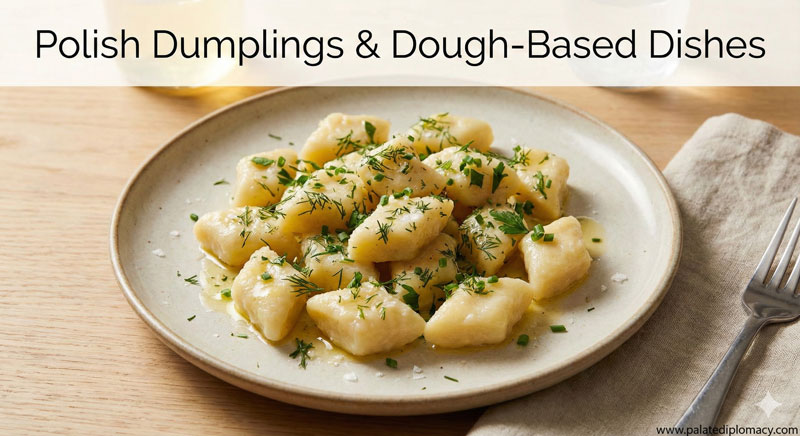
Discover the Unique Taste of Kopytka in Poland
Kopytka are a beloved Polish dish that carries warmth, memory, and a sense of place. Each bite reveals a simple craft turned into something comforting and memorable. This post invites you to savor not just the flavor, but the culture that surrounds this humble dumpling.
A Window into Polish Comfort and Craft
in Polish kitchens, kopytka speak to everyday care. Families prepare them when guests arrive, on quiet weekends, and during seasonal celebrations. The dish embodies balance: a soft, tender texture that brings a gentle sweetness to the table, paired with the pride of careful preparation. Through kopytka, cooks share a story of home, hospitality, and the quiet artistry of traditional cooking.
The Simple Formula: Ingredients and Texture
Kopytka begin with four everyday ingredients: potatoes, flour, eggs, and a pinch of salt. The potatoes provide a creamy base, while flour builds a light yet sturdy dumpling. Eggs help bind the dough, giving it cohesion. The result is a dumpling with a tender bite that holds well to sauces and toppings. The beauty lies in the contrast: a soft interior with a subtle, delicate chew on the outside.
Craft and Tradition: Making Kopytka by Hand
A true kopytka comes from careful hands. After cooking and mashing the potatoes, cooks fold in flour and egg until the dough holds together. The dough rests briefly, then is rolled into ropes and cut into small pieces. Some kitchens press the pieces with a fork to create gentle ridges that catch sauces. Boiling briefly seals the texture, producing a plump dumpling ready to embrace the plate. The process is patient and affectionate, reminding us that good food grows from attentive craft.
Regional Flavors Across Poland
Kopytka adapt with regional flair while preserving their identity. In some areas, cooks add a hint of nutmeg or vanilla to a sweeter version, turning the dumplings into a comforting dessert. Others favor a savory route, pairing kopytka with mushroom sauce, browned butter, or paprika oil. A common, timeless pairing is breadcrumbs fried in butter, which adds a toasty crunch and a comforting aroma. These regional touches highlight Poland’s varied culinary landscape while keeping the core texture and method intact.
Serving Traditions and Cultural Moments
Serving kopytka is a chance to slow down and share. They appear on family tables during Sunday meals, holiday gatherings, and festive celebrations. A simple plate is often dressed with a drizzle of melted butter and a sprinkle of sugar, or with a savory sauce that carries a gentle depth. The dish invites conversation and gratitude, turning a meal into a small ceremony of care and companionship.
A Dish That Connects Generations
Kopytka carry stories from one generation to the next. Grandparents teach the knead-and-dust technique, while younger cooks bring fresh variations to the table. The shared act of making and savoring kopytka builds memory and continuity, a quiet thread that weaves family life together. In this way, the dish becomes more than food; it is a living link to tradition and affection.
Tips for Truly Enjoying Kopytka
- Start with warm, freshly boiled dumplings for the best texture.
- Use a light hand with flour to keep the interior soft.
- Pair with a butter-browned breadcrumb topping for classic comfort.
- Try a fruity sauce or a drizzle of honey for a gentle sweetness.
- Embrace the regional twists; a tiny change can reveal a new facet of flavor.
Conclusion: Embracing a Timeless Classic
Kopytka stand as a testament to Polish culinary spirit: simple ingredients, careful technique, and a spirit of sharing. They invite us to slow down, notice texture and aroma, and celebrate family and place through food. By exploring kopytka, we discover not just a dish, but a culture of warmth, hospitality, and enduring flavor.