
The Story Behind Boli, a Nigerian Food Favorite
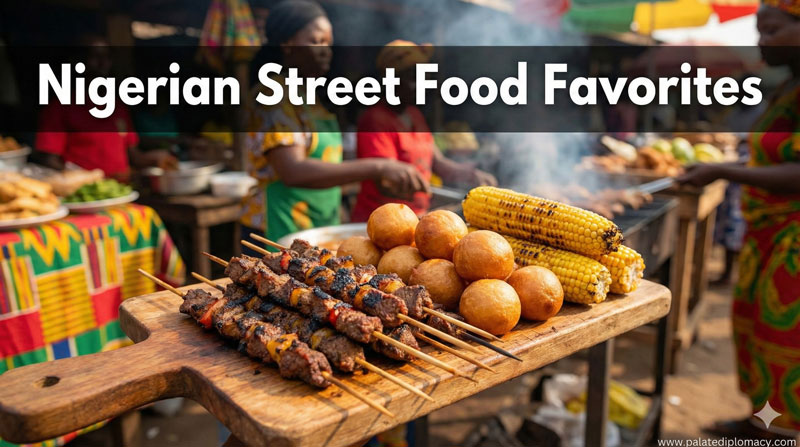
Boli is more than a snack. It is a warm invitation into Nigerian street Food Culture. The best Boli starts with ripe plantains, chosen for sweetness and a soft, yielding texture. Vendors roast them over charcoal, until the skins blister and the fruit shines amber. The smoke carries a fragrant, nutty scent. Peel back the skin, and you meet a caramelized, comforting bite. People gather to share, chat, and savor the first bite.
What Boli Is: A Simple Grill, A Rich Experience
Boli is grilled plantain. It uses ripe plantains, their skins turning yellow with brown spots. The fruit roasts in its own skin until tender and lightly charred at the edges. The process is quick, yet precise, drawing out natural sugars and a hint of smoke. Served warm, Boli welcomes a pepper sauce or a groundnut dip for balance. The result is portable, cozy, and beloved.
The Craft of Grilling: Techniques and Aroma
The magic of Boli lies in the grill. Fire, heat, and time work together. Vendors turn the plantains steadily, so every side caramelizes evenly. A light touch of oil keeps the fruit moist, while the charcoal adds depth. When the skin blackens in spots, aromas deepen: sweet, smoky, almost toffee-like. The result is a rich, inviting scent that signals a ready, joyful bite.
Flavor Journeys: Pairings That Shine
Two classic companions lift Boli. Pepper sauce, known as Ata, brings bright heat, tang, and a kick that wakes the palate. Groundnut or peanut sauce adds a creamy, roasted nuttiness that rounds the sweetness. Some enjoy a squeeze of lime or a drizzle of palm oil for extra depth. Together, the plantain and its pairings tell a balanced story of sweetness, spice, and comfort.
A Cultural Thread: Social and Community Significance
Boli gatherings feel welcoming and relaxed. Street vendors, market corners, parks, and roadside stalls become friendly meeting spots. After church, on market days, or during family errands, people share Boli as a simple act of hospitality. A quick bite becomes a moment for conversation, laughter, and connection. In this way, Boli signals togetherness, generosity, and everyday joy.
Regional Variations and Rituals
Across Nigeria, Boli carries regional nuances. In some places, groundnut sauce takes the lead; in others, pepper sauce is the star. Some vendors add a light squeeze of citrus or a touch of palm oil for aroma. The plantain itself can tilt toward firmer or softer textures, depending on ripeness and local technique. Yet the core remains the same: a smoky, sweet fruit shared with warmth and care.
Everyday Moments and Festive Touches
Boli fits both daily life and celebrations. It travels well, making it a popular street food for strolls, picnics, or park visits. It also graces family gatherings and street-side chats after a long day. The dish invites a pause, a smile, and a moment of savoring togetherness.
Conclusion: The Enduring Beauty of Boli
Boli embodies the beauty of simple ingredients transformed by fire, skill, and shared moments. Its cultural value lies in the welcome it offers, the memories it stirs, and the conversations it sparks. As long as fire, plantains, and good company meet, Boli will endure as a cherished part of Nigerian food culture.