
Introduction
Boli is a beloved Nigerian treat that carries warmth and memory in every bite. It is simple in form yet rich in cultural meaning. When ripe plantains roast over a gentle flame, the air fills with a sweet, smoky aroma that invites everyone nearby to gather and share.
What is Boli?
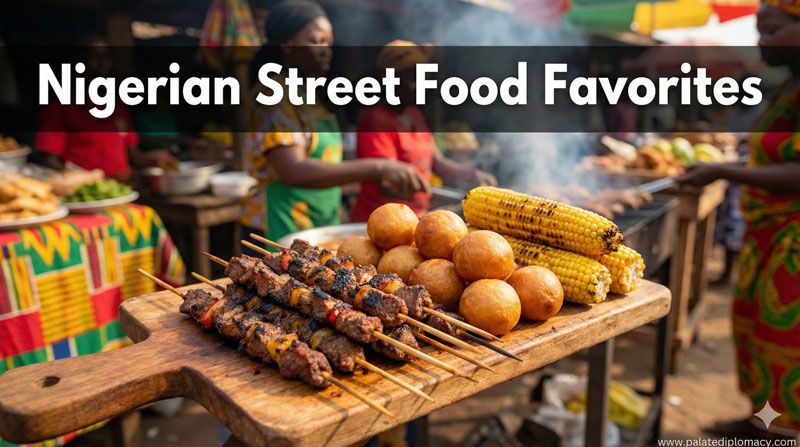
Boli refers to ripe plantains roasted until their skins blister and their inside becomes tender and caramel sweet. Vendors often cook the plantains over charcoal, turning them slowly for even flavor. The dish is commonly enjoyed with crushed roasted peanuts or a spicy pepper sauce. The combination creates a balance of sweetness, heat, and crunch that many Nigerians recognize with fondness. Boli is more than a snack; it is a sign of a moment shared among friends, neighbors, and family.
The Roasting Craft
The Heart of Boli lies in the roasting craft. Perfect Boli starts with selecting fruit that glows with deep yellow or a touch of brown. The plantains are peeled and placed on a steady flame, not too close to avoid burning. The riper the banana, the richer the caramel notes. A patient turn of the fruit allows even charring on the skin and a soft, velvety inside. The smoke adds a subtle complexity that you cannot rush. This careful process turns everyday fruit into a small ceremony of flavor.
The Flavor Partners
Many people pair Boli with ground peanuts, drenched in a little salt and maybe a hint of palm oil. The nutty crunch provides a pleasing contrast to the soft warmth of the roasted fruit. Some enjoy Boli with pepper sauce, which awakens the palate with a bright, spicy kick. The pepper sauce is often made with fresh tomatoes, onions, and chili, allowing each bite to shift from sweet to lively and back again. These pairings highlight how Boli can be both comforting and exciting, depending on the moment.
The Social Beat of Boli
Boli thrives in social settings. It appears at markets, street corners, and family gatherings. Friends gather to share a plate, swap stories, and savor the moment together. The act of breaking bread—or in this case, breaking plantain—becomes a quiet ritual of connection. The aroma lingers on conversations long after the last bite, turning a simple snack into a tradition that many people carry from one day to the next. In this way, Boli helps weave everyday life into a gentle tapestry of taste and togetherness.
Regional Flavors and Everyday Rituals
Across Nigeria, Boli shows subtle regional touches. Some communities prefer it with extra peanuts for a crunchier bite, while others favor a light pepper sauce that lets the plantain’s sweetness shine. The fruit’s ripeness can shift the flavor profile, from a mellow, honeyed warmth to a more pronounced dessert-like note. Whether enjoyed as a quick street bite or a centerpiece at a small get-together, Boli adapts to the rhythm of daily life and the cadence of social moments.
How to Enjoy Boli Respectfully
To honor the dish, choose plantains that feel firm yet yield slightly to pressure, with a natural sweetness that invites roasting. When roasting at home, use a steady heat and turn slowly to avoid scorching. Pair Boli with peanut crunch or a bright pepper sauce, according to your mood. Savor the contrast between the smoky crust and the soft interior. Take a moment to listen to the sizzle, watch the steam rise, and share the experience with others. This mindful approach enhances both taste and memory.
Conclusion
Boli is more than roasted plantain; it is a doorway into Nigerian Food Culture. Its simple ingredients, careful technique, and social spirit come together to create a dish that feels like home. Each bite speaks of patience, warmth, and the joy of gathering. Whether enjoyed on a busy street or at a quiet table, Boli invites respect for tradition and delight in everyday beauty.