
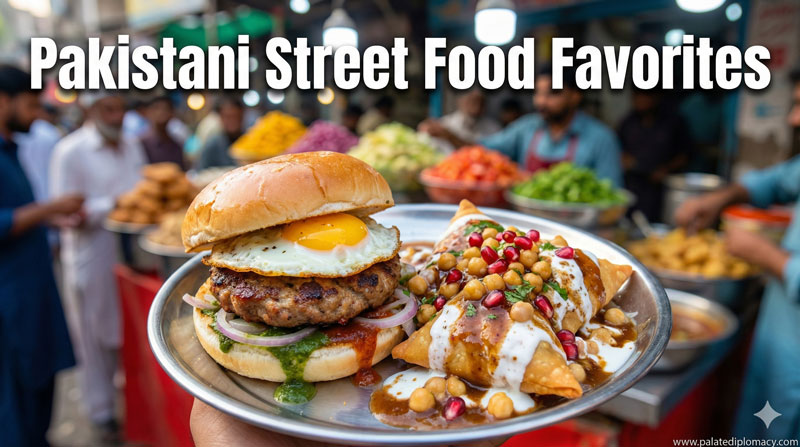
The Story Behind Bun Kebab, a Pakistani Food Favorite
Bun kebab is a beloved bite that many people eagerly seek on busy streets. It blends a soft bun with a savory kebab and bright chutneys. The result is a balanced, satisfying snack that travels well from stall to table. This dish speaks softly of daily joy, shared moments, and the simple pleasure of good flavor crafted with care. The Story of bun kebab is a tale told in aroma, texture, and the gentle hum of markets where vendors bring warmth to the street.
A Cultural Mirror in Every Bite
Food often mirrors a culture’s rhythms. Bun kebab mirrors a culture that values quick, flavorful meals that suit busy days. It arrives at the stall with a smell that invites conversation and a sense of welcome. People order, chat briefly, and savor the moment as the kebab is built. The dish becomes a small ceremony—an ordinary moment turned memorable by aroma, color, and texture. In this sense, bun kebab is more than food; it is a social gesture that says, “We value good taste and good company.”
The Craft: From Spices to Skewer to Bun
The heart of bun kebab lies in its careful balance of flavors. Ground meat is seasoned with garlic, ginger, chili, cumin, and garam masala. The mix is shaped into a kebab and grilled over a charcoal flame, which adds a gentle smokiness. As the kebab cooks, cooks brush it with a savory glaze that enhances juiciness and depth. The bun, soft and slightly sweet, is warmed briefly so it yields to the filling without tearing. Fresh onions add crunch, while chutneys bring brightness. The final assembly merges sizzling meat, warm bread, tangy or minty chutney, and a kiss of lemon or chopped onions. Each step matters, and together they create a harmonious bite.
The Bun: Texture, Comfort, and Carry
The bun is more than a holder; it is part of the flavor experience. A good bun is light and tender, with a gentle sweetness that complements the spices. It must be strong enough to cradle the kebab and sauces without falling apart. Some buns are sesame-topped or lightly toasted to add a subtle crunch. The bread’s role is to catch juices and carry the kebab smoothly, making every bite balanced and comforting. In this way, the bun becomes a vessel that respects the meat, the chutneys, and the moment of eating.
The Kebab: Meat, Marinade, and Mastery
The kebab is the heartbeat of the dish. Cut, ground, or minced meat is chosen for tenderness and flavor. A careful mix of spices arrives in the marinade, helping the meat stay juicy as it grills. Vendors pay attention to heat control, turning the kebab to develop a crisp exterior while preserving a moist center. Texture matters: a well-made kebab offers a fine grain, a gentle bite, and a lingering warmth. The skill lies in balancing fat, spice, and moisture so every mouthful feels coordinated with the bun and chutneys.
Chutneys and Toppings: A Layered Flavor Experience
Chutneys bring brightness and contrast. A green mint chutney adds freshness with herbs, garlic, and tangy notes. A tamarind or sweet chutney offers a kiss of sweetness and sourness. Onions sliced thinly contribute crunch and a clean sharpness. A squeeze of lemon or a few pickled elements may lift the dish still further. Taken together, chutneys and toppings create a flavor triangle: savory meat, warm bread, and vibrant sauces. They transform a simple bite into a vivid, memorable moment.
Regional Variations: Local Taste, Shared Love
Across cities and neighborhoods, vendors adapt bun kebab to local tastes. In some places, spice levels rise to suit heat-loving palates. In others, the chutney pairings emphasize tartness or herbal brightness. The bread choice can shift—from a soft, pillowy bun to a slightly denser roll with sesame seeds. These variations celebrate regional flavors while preserving the essential harmony of meat, bread, and sauce. The dish thrives on these small adaptations, inviting curious tasters to notice local differences and celebrate common love for good street food.
Social Moments and Everyday Joy
Bun kebab often appears in daily routines—after a shop visit, between errands, or as a quick treat with friends. It is a snack that travels well, sharing space in a busy day and turning it into a small celebration. The act of eating bun kebab invites connection: a quick chat with the vendor, a shared bite with a friend, or a quiet moment of flavor appreciation on a busy street. This social aspect matters, because food often builds a sense of belonging and warmth in everyday life.
From Street to Table: Modern Ways to Enjoy
Today, bun kebab shines beyond the street. Small eateries and home cooks recreate the essence with care. Chefs balance authenticity with creativity, offering versions that respect tradition while welcoming fresh ideas. at Home, cooks can experiment with spice blends, chutney twists, or bun textures to suit personal tastes. Yet even in refined settings, the core idea remains: a simple, satisfying bite that honors skill, patience, and shared enjoyment. The dish bridges casual moments and thoughtful meals with equal grace.
A Gentle Invitation to Explore
If you are new to bun kebab, listen for the sizzle, watch the bread warm, and notice the vibrant chutneys. If you are revisiting it, savor how familiar flavors meet new nuances in today’s kitchens. Either way, the dish invites curiosity, respect for craft, and appreciation for the everyday beauty of well-made street food. The story is not large or dramatic; it is quiet and sustaining—kept alive by cooks, vendors, and diners who value flavor, balance, and community.
Conclusion: A Favorite That Feels Like Home
The bun kebab remains a Pakistani food favorite because it blends skillful cooking with a sense of place. Its charm lies in the teamwork of fire, spice, bread, and bright sauces. It is a dish that travels well in the mind and on the tongue, yet anchors itself in daily life and shared moments. By honoring its craft and celebrating its flavors, we celebrate a culinary tradition that invites everyone to Enjoy a thoughtful, delicious bite.