
The Story Behind Köttbullar, a Nordic Food Favorite
Köttbullar, or Swedish meatballs, have a warm, inviting presence in Nordic kitchens. They appear on family tables, at festive gatherings, and in cozy cafés alike. The dish blends simple ingredients with careful technique, resulting in small balls that feel both humble and special. In Nordic cooking, these meatballs celebrate balance: tender texture, rich flavor, and a comforting sauce that brings everyone together. The Story is one of care, craft, and a shared love of good food.
A Portrait of Nordic Taste
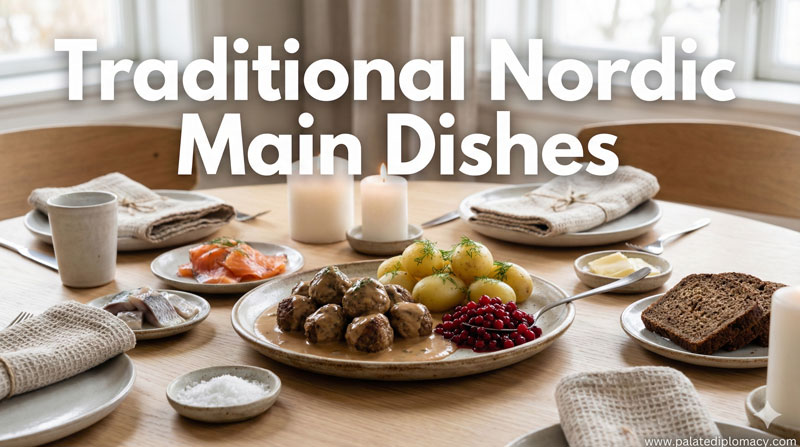
The core of Köttbullar rests on a thoughtful blend of beef and pork, onion sweetness, and a whisper of spice. Breadcrumbs soaked in milk soften the bite, while an egg helps bind the mix with gentle cohesion. Seasoning tends to be restrained—salt, pepper, and a hint of allspice or nutmeg—so the dish remains approachable and bright. Frying in butter adds a toasty, savory note, and finishing the meatballs in a creamy mushroom or stock-based sauce rounds the flavors. Served with mashed potatoes, cream sauce, and a dollop of lingonberry jam, the dish presents a harmony of savory, creamy, and tart brightness that many Nordic tables cherish.
Craft and Technique
The craft behind Köttbullar centers on restraint and texture. Do not overwork the mixture; a light touch yields juicier meatballs. Let the mixture rest briefly to let the flavors mingle. Shape the balls with care, aiming for uniform size so they cook evenly. Fry in batches, turning once to develop a shopping-bag of color on all sides. A gentle browning creates fond in the pan, which becomes the base for the sauce. The sauce is typically creamy and smooth, lightly thickened with flour and enriched with cream or milk. Together, a soft interior and a glossy sauce form a refined yet comforting bite that feels quintessentially Nordic.
Plate and Pairings
Köttbullar shines when plated with simple, comforting sides. Creamy mashed potatoes provide a soft counterpoint to the meat’s texture, while a velvety sauce ties the plate together. Lingonberry jam or a tart berry relish adds a bright contrast that lifts the dish without overpowering it. A light cucumber salad or pickled vegetables can offer crisp freshness alongside the warmth. This pairing tradition highlights the Nordic value of balance, where gentle tang, creamy richness, and earthy meat come together in a harmonious plate.
Regional Variations and Modern Takes
Across the Nordic region, cooks adapt Köttbullar with local ingredients and preferences. In Sweden, the classic mix leans into a delicate spice blend that emphasizes comfort and approachability. In Norway, subtle differences in fat content and seasoning create a slightly firmer bite. Denmark offers close cousins like frikadeller, which share philosophy but differ in texture and sauce accents. In recent years, modern kitchens explore plant-based versions that mimic the tenderness of the original, using mushrooms, legumes, and clever binders. Yet, even with adaptations, the essence remains: a small, well-made sphere of flavor that speaks of home and craft.
The Family Table: Tradition and Sharing
Köttbullar holds a place as a staple that welcomes everyone to the table. It embodies hospitality, a quiet joy in preparing food for others, and the delight of sharing a satisfying meal after a day’s work. Families pass down tips for achieving the perfect texture, from handling the mixture gently to timing the browning just right. In many homes, the dish becomes a small ceremony—simple, familiar, and inviting. This is the cultural value at work: a dish that teaches care, technique, and the pleasure of gathering.
A Nordic Pantry: Ingredients That Tell the Story
The ingredients for Köttbullar tell a crisp, steady story of Nordic cooking. Ground meat provides depth and moisture; milk-soaked breadcrumbs soften the texture; onions bring sweetness; a light spice nuance brightens the profile. Butter for browning contributes a nutty, scented finish, while cream in the sauce delivers a velvety finish. Lingonberries, in jam or sauce form, add a tart spark that complements the richness. Each component is chosen for balance, quality, and the sense that everyday cooking can yield something memorable.
Modern Takes: Keeping the Heart, Adding Fresh Notes
Today’s kitchens honor the dish’s essence while inviting new ideas. Home cooks experiment with different meat ratios, herbs, and even plant-based binders to maintain tenderness. Some chefs refine the sauce with mushroom notes or a dash of white wine for brightness. Yet the core idea remains: respect for good ingredients, careful technique, and a meal that celebrates togetherness. The beauty of Köttbullar lies in its adaptability while preserving a quiet elegance that fits both everyday dinners and special occasions.
How to Celebrate Köttbullar at Home
To honor the dish, focus on balance and time. Choose fresh, good-quality meat and soft breadcrumbs. Keep the mixture light and lightly shaped. Browning slowly in butter creates color and flavor. Finish with a creamy sauce that is smooth and not too thick. Place the meatballs on a bed of mashed potatoes, add a circle of lingonberry brightness, and offer a simple cucumber or salad on the side. The result is a welcoming plate that reflects Nordic culinary values: practical, refined, and deeply comforting.
This is the story and significance of Köttbullar. A Nordic favorite that blends craft, care, and community, it stands as a flavorful testament to how food can reflect place, tradition, and shared joy.