
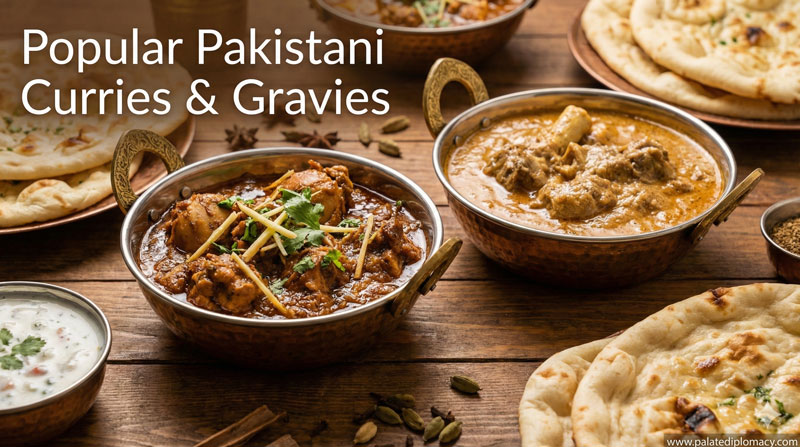
The Story Behind Mutton Korma, a Pakistani Food Favorite
This dish holds a warm place in many kitchens. Mutton korma is more than a curry; it is a gentle ceremony of taste. It speaks of patience, balance, and the joy of sharing a meal. In homes across Pakistan, the aroma that rises from the pot signals care, hospitality, and time well spent in the kitchen. The dish invites us to slow down, to savor each spice, and to celebrate togetherness around a table.
What Makes Mutton Korma Special
Mutton korma is a slow-braised curry built on a creamy, velvety sauce. The meat becomes meltingly tender as it absorbs the perfume of spices and the subtle sweetness of yogurt and nut paste. A typical blend includes cardamom, cinnamon, cloves, cumin, coriander, and a touch of green chili. Ground almonds or cashews add body, while garam masala accents the finish with warmth. The technique centers on balance: the tang of yogurt, the richness of cream, the nuttiness of the paste, and the gentle heat that lingers on the palate. The result is a dish that feels at once luxurious and inviting, suitable for both everyday meals and festive gatherings.
The Cooking Journey: From Prep to Simmer
First, careful preparation sets the stage. Meat is trimmed and lightly marinated to keep it tender. Next, a foundation of onions is softened until a golden color appears, releasing sweetness and depth. Then ground spices awaken in the pan, mingling with garlic and ginger. A smooth yogurt-nut sauce is stirred in, ensuring the mixture remains silky and cohesive. The mutton braises slowly, soaking in the flavors while staying moist. Finally, cream joins the pot, and a final touch of herbs crowns the dish. Throughout, gentle heat and patient simmering protect the sauce from curdling and preserve its luxurious texture. The steps are rhythmic, almost meditative, reflecting the care a cook invests in every bite.
Cultural Value Across Pakistan
Mutton korma is more than a dish; it is a bridge between flavors and people. It appears in family meals, where generations share tips and stories while tasting the curry’s evolving aroma. It signals hospitality, inviting guests to savor something made with time, attention, and affection. The dish often graces occasions that honor togetherness—weekend gatherings, seasonal celebrations, and meals prepared to welcome loved ones. In these moments, the korma becomes a symbol of warmth, generosity, and the comforting rhythm of home cooking. The aroma alone can evoke memories of kitchens filled with laughter, chatter, and the clink of bowls and spoons.
Regional Variations Across Pakistan
Across the country, cooks shape the korma to reflect local tastes. In Punjab, the sauce may lean toward a richer creaminess, with a soft satin finish and a bright note from green coriander. In Sindh, cooks may emphasize a tangier edge, threading in subtle sour notes from yogurt and fresh herbs. In Khyber Pakhtunkhwa, the spice blend can be a touch more earthy, letting cumin and coriander sing against the tender meat. Across provinces, the core idea remains the same: a slowly built, fragrant curry that wraps the meat in a luxurious, fragrant blanket. These regional touches celebrate the diversity of Pakistani kitchens while keeping the dish recognizably korma at heart.
Pairings, Serving Traditions, and Flavor Harmony
Mutton korma shines when paired with comfort foods that balance its richness. Steamed basmati rice absorbs the sauce gracefully, letting every spoonful carry a chorus of flavors. Fresh naan or other flatbreads scoop up the sauce and meat with equal pleasure. A cooling side like cucumber raita or a simple salad adds a refreshing contrast that brightens the plate. Garnishes such as fried onions or a scatter of chopped cilantro can elevate the aroma right at the finish. The serving ritual itself—placing a steaming pot on the table, ladling the fragrant curry, and sharing with family and friends—contributes to the dish’s enduring charm. It is a meal that invites conversation as much as it invites taste.
Craft, Craftsmanship, and Everyday Inspiration
Mutton korma embodies craft in both technique and temperament. The cook must balance heat, acidity, and fat to create a smooth, glossy sauce. The nut paste adds texture and depth, a reminder that simple ingredients can forge rich complexity. Cooking korma well requires attention to detail, yet the process remains accessible to home cooks. This accessibility encourages home chefs to explore, adapt, and personalize the dish while preserving its essence. In every kitchen where it is prepared, mutton korma becomes a shared art—a daily testament to skill, patience, and the joy of food as an expression of care.
A Lasting Love for the Kitchen and the Table
The Story of mutton korma is a celebration of the beauty of cooking as a practice of belonging. It invites cooks to honor tradition while embracing personal touches. It invites diners to slow down, notice the aroma, and appreciate the texture of tender meat braised in a silken sauce. Most of all, it invites people to come to the table together—friends, family, neighbors—and to savor a dish that speaks of hospitality, warmth, and the enduring appeal of well-made food. In this way, mutton korma remains a beloved favorite, a flavorful thread in the rich tapestry of Pakistani Food Culture.