
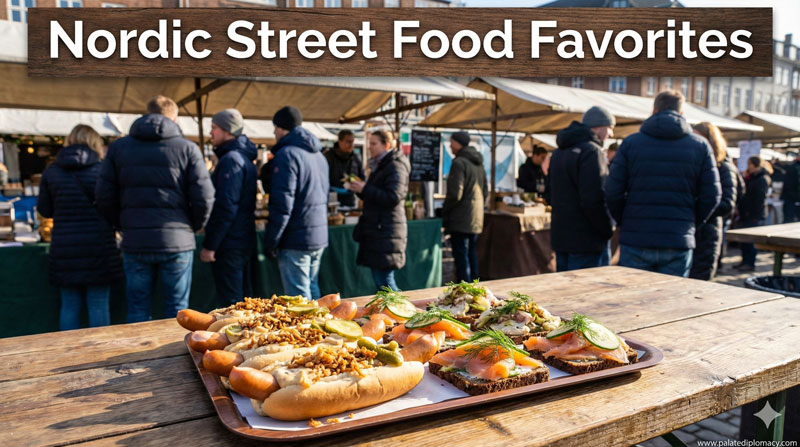
The Story Behind Open-Faced Sandwiches, a Nordic Food Favorite
Open-faced sandwiches sit at the heart of Nordic dining. They are more than a quick bite; they are a celebration of ingredients, technique, and shared meals. A sturdy slice of rye or sourdough becomes a stage for color, texture, and flavor. Each bite invites you to notice how simple foods can express season, place, and care. In Nordic homes, these sandwiches are a quiet daily ritual and a bright centerpiece at gatherings. They welcome you to pause, choose carefully, and savor the moment.
Cultural Value: A Respect for Craft and Season
Open-faced sandwiches embody a philosophy of care. They honor the integrity of each ingredient and the skill of assembly. The bread rests as a reliable base, the spread adds depth, and the topping brings brightness or richness. This balance mirrors a cultural emphasis on moderation, presentation, and hospitality. Families pass down preferred combinations, and cafes showcase seasonal ideas with pride. The practice honors local markets, fishermen’s catches, and orchard picks. In this way, the dish becomes a living catalog of the region’s flavors and seasonal rhythm.
The Craft of Assembly: Layering with Intent
The craft lies in layering with intention. Start with a sturdy base. A touch of butter or a thin smear of cream cheese provides moisture and shine. Then place a protein, fish, cheese, or meat, followed by vegetables, herbs, and a finishing drizzle or squeeze of citrus. The order matters for taste and texture. For example, a slice of gravlax meets crisp cucumber and dill for bright freshness. A hearty liver pâté can pair with sharp onions and pickles to balance earthiness and zing. The end result is not just flavor; it is a mosaic of texture—crunch, cream, and a silky or briny note that lingers pleasantly.
Seasonal Palette: Local Ingredients in Focus
Nordic open-faced sandwiches thrive on seasonal abundance. In spring, herbs, fresh peas, and mild fish wake the palate. Summer brings tomatoes, cucumbers, and bright greens from market stalls. Autumn yields mushrooms and root vegetables that add earthiness, while winter highlights preserved items, smoked fish, and hearty spreads. This seasonal cadence keeps the dish dynamic, giving cooks and diners a reason to return to the table often. It also honors farmers and fishers, whose harvests shape each plate with care.
Social and Shared Moments: Food as a Bridge
These sandwiches invite conversation and connection. They appear at family lunches, weekend gatherings, and casual cafe breaks. Friends gather around a board of open-faced bites to trade ideas, compare combinations, and learn from one another. The practice encourages mindful eating, as guests inspect color, aroma, and balance before tasting. In many homes, making these sandwiches becomes a small ceremony—an opportunity to slow down and appreciate simple abundance together.
Plating as Nordic Aesthetics: Simplicity Meets Beauty
Plating matters. A clean, generous slice of bread, neatly layered toppings, and a few greens or herbs create a pleasing display. The aesthetic is about clarity and restraint, not fuss. Color contrast matters: a pop of red onion, a ribbon of dill, or a lemon wedge can brighten the plate. The visual care mirrors a broader Nordic design sense—functionality paired with quiet elegance. This beauty invites the eater to savor with both eyes and palate.
Modern Nordic Life: Tradition Meets Innovation
Today, open-faced sandwiches adapt to busy schedules and creative kitchens. Chefs experiment with new toppings while preserving tradition, blending familiar flavors with contemporary twists. They emphasize sustainability, local sourcing, and seasonal variety. In homes and cafes alike, the dish remains approachable yet refined. It serves as a bridge between daily nourishment and culinary artistry, inviting everyone to participate in a living Food Culture.
A Gentle Invitation to Explore: Why It Matters
If you approach open-faced sandwiches with curiosity, you discover a window into Nordic food values. The dish teaches patience, balance, and respect for ingredients. It rewards careful selection and thoughtful assembly. It also invites generosity—sharing a thoughtfully prepared slice with friends and family is a small act of hospitality. In this way, the dish is more than nourishment; it is a quiet celebration of place, craft, and community.
Conclusion: A Flat Bread, a World of Flavor
Open-faced sandwiches reveal how simple foods can carry culture and care. They mirror the Nordic love of season, clarity, and connection. With each slice, you taste the land, the sea, and the hands that prepared it. This Nordic favorite continues to evolve while preserving a timeless spirit: nourishment that is mindful, plating that is pleasing, and meals that bring people together. The Story is ongoing, and every bite adds a new line to it.