
The Story Behind Ofada Rice
Ofada rice is a beloved symbol of Nigerian home cooking. It reveals itself in the shine of its grains, the warmth of its aroma, and the bold brightness of its sauce. This dish invites you into kitchens that celebrate careful farming, patient preparation, and shared meals. The story begins with the rice itself—local, unpolished grains grown in specific regions—and grows through the hands of cooks who turn simple ingredients into a festive, comforting plate. When you see Ofada rice on a table, you sense tradition, craftsmanship, and a sense of place that many Nigerian families treasure.
A Dish Rooted in Place
Ofada rice carries a sense of belonging to a place. The rice is tied to local farms, markets, and family kitchens where meals are built from fresh ingredients and small, deliberate steps. It becomes part of a Sunday rhythm, a market morning, or a celebratory gathering. The dish travels through communities not by grand gestures, but by everyday cooking—rinsing the grains, boiling them until they are tender, and pairing them with a sauce that tells a story of peppers, oil, and depth. In every bite, you taste a connection to the land and to the people who nurture it. This is why Ofada rice feels like home to many Nigerians, and why it is a favorite when friends and relatives come together.
The Cooking: Simple Ingredients, Bold Flavors
The beauty of Ofada rice lies in its balance. The rice itself is sturdy, with a natural earthiness that contrasts beautifully with the bright, peppery sauce. The key is minimalism that yields maximum flavor. The sauce, often called Ayamase, is where color and heat meet. It blends green and ripe peppers, onions, and a paste made from locust beans, known as iru, which adds a nutty, umami note. Palm oil pours a warm copper tone into the mix, carrying fragrance and color. Meat or fish may join the pot, enriching the sauce with savor and depth. The result is a dish that looks lively and tastes comforting—perfect for sharing.
The Sauce: Ayamase and Iru
Ayamase is the star of the flavor. It is vibrant, pungent, and deeply aromatic. Iru, the locust bean paste, gives a distinctive, earthy savor that anchors the heat of the peppers. The preparation invites patience: grinding peppers to release their fire, sautéing them gently, and letting the flavors mingle with palm oil. The sauce may be smooth or chunky, but it always carries a lively bite. When spooned over fluffy, well-cooked Ofada rice, the sauce coats every grain, turning a simple meal into a vivid sensory experience. This sauce is more than heat; it is a chorus of aroma, texture, and color that defines the dish.
Serving Traditions and Moments
Ofada rice shines in gatherings, both casual and ceremonial. It is often served on wide wooden boards or sturdy plates, where the glossy grains meet the bright sauce in a warm, welcoming presentation. In many homes, the dish is a centerpiece for family meals, birthdays, or weekend feasts. Plantains, fried or roasted, commonly accompany the rice, adding a hint of sweetness and extra texture. The social joy of sharing Ofada rice is part of its appeal: bowls circle the table, conversations flow, and everyone digs in with smiles. The dish invites conversation and slows the pace, letting people linger over flavors and memories.
The Visual Story and Texture
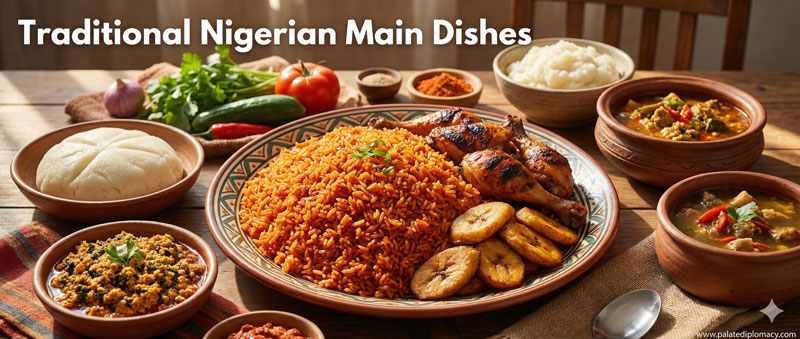
Visually, Ofada rice offers a feast for the eyes. The grains appear rich and glossy after a gentle steam, while the sauce glows with a lacquered shade from palm oil. The contrast between the deep, reddish-brown rice and the bright, peppery sauce holds a visual harmony that signals abundance. The texture is satisfying: the rice is tender yet distinctly separate, and the sauce clings to each grain with a velvety coat. This combination makes the plate inviting and comforting, a reminder of home kitchens where aromas fill the room long before the first bite.
The Voice of Home Kitchens
Across Nigerian kitchens, Ofada rice tells a common story, yet it adapts to personal touch. Some cooks add a hint of spice from dried peppers; others emphasize a deeper palm oil note for a smoother finish. Family recipes often include small, cherished tweaks—perhaps a touch of smoked meat, a splash of stock, or a secret blend of onions and garlic. These variations celebrate individuality while keeping the core of the dish intact: rice that is prepared with care, paired with a bold, fragrant sauce, and enjoyed with friends and family. The result is a dish that feels both familiar and exciting, a timeless favorite that travels from the pot to The Heart.
Why It Stands as a Nigerian Favorite
Ofada rice endures because it connects flavor, craft, and community. It honors farmers who grow the grains, cooks who refine the sauce, and households that gather to share it. The dish embodies warmth, generosity, and a sense of place that resonates beyond the table. Its bold colors, rich aroma, and comforting texture make it accessible to all ages and backgrounds, inviting everyone to discover the beauty of Nigerian cooking. By celebrating Ofada rice, we celebrate a living Food Culture that welcomes guests and invites new memories to be made around a single, joyful plate.
A Welcoming Invitation
If you have not yet tried Ofada rice, consider inviting it into your kitchen. Start with good, local rice and a thoughtful Ayamase sauce. Let the aroma rise, the colors glow, and the flavors speak for themselves. This dish invites curiosity, conversation, and ashared moment of delight. In its simple mechanics and generous spirit, Ofada rice offers a refined yet approachable gateway into the heart of Nigerian food culture. Enjoy the journey, savor the textures, and appreciate the story that brings this dish to life in homes across the country.