
The Story Behind Ofada Rice
Ofada rice is more than a meal; it is a gentle thread that runs through many kitchens in southwestern Nigeria. The name comes from a town in Ogun State, where this style of rice was first celebrated in homes and markets. Farmers cultivate the grain with care, and families gather to share it with warmth. The journey from farm to pot to plate is a quiet celebration of local abundance and craft. When the pot opens, a welcoming aroma rises, inviting everyone to pause and savor. The Story is about patience, family, and a deep respect for seasonal ingredients. It is a reminder that beauty can begin with a simple grain and end in a moment of togetherness.
A Unique Grain, A Rich Tradition
Ofada rice is prized for its unpolished, brownish kernels that retain a gentle nuttiness. The grain often stays separate and fluffy when cooked, rather than clumping together. This natural texture lets each bite tell its own tale. The color and aroma are distinctive, shaped by careful rinsing and light steaming. Because the rice is less processed, it carries a connection to the soil and the hands that tended it. Home cooks and chefs alike celebrate this grain for its honesty and its ability to carry bold flavors without being overwhelmed. In every kitchen, the rice feels Like a quiet invitation to slow down and enjoy good food with friends and family.
The Sauce: A Spice Whisper
The hallmark of Ofada rice is its accompanying sauce. The pepper sauce is vibrant and peppery, often enriched with palm oil that brings a glossy finish and a warm, lasting aroma. Many cooks add iru, a fermented locust bean, which lends a savory depth and a hint of earthiness. Dried fish or meat can join the pot, adding savory layers for those who wish. The sauce is typically prepared separately and then poured over the rice just before serving, so the colors and textures stay lively. The combination—nutty rice with a bright, spicy sauce—creates a memorable balance of heat, aroma, and richness. It is a dance of flavors that feels both rustic and refined.
An Expression of Hospitality
Across homes and eateries, Ofada rice is a symbol of hospitality. It brings people together for ordinary meals and special occasions alike. The act of sharing a pot, tasting the sauce, and passing bowls from hand to hand embodies a spirit of welcome. In many households, serving Ofada rice is a ritual that signals care and celebration. Guests are offered generous portions, and conversations often flow as easily as the steam rising from the pot. The dish invites storytelling, laughter, and a sense of belonging, making it a beloved centerpiece of Nigerian Food Culture.
Regional Variations and Modern Takes
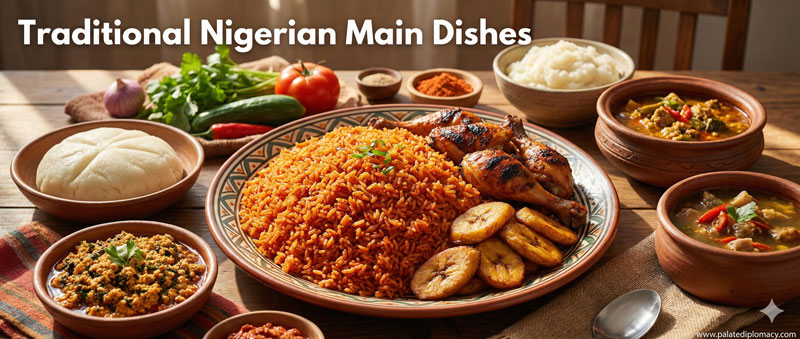
While the core of Ofada rice remains the same, families and cooks add personal touches. Some prefer a greener, more pepper-forward sauce; others favor a richer, red-hued finish from the peppers and palm oil. The choice of accompaniments—grilled fish, suya-style meat, or fried plantains—varies by household and mood. Modern restaurants may present Ofada rice with curated plating, while home kitchens honor the tradition with heart and memory. Yet the essence stays constant: a dish rooted in local farming, shared meals, and a distinctive, uplifting flavor that invites everyone to taste the culture.
How to Enjoy Ofada Rice at Home
If you wish to bring Ofada rice into your kitchen, start with good, local rice and fresh peppers. Rinse the grains gently, then parboil to set the texture. Prepare a bright, flavorful sauce with peppers, onions, and a touch of palm oil. Add iru for an extra layer of savor, if you like. Serve the rice warm, with the sauce poured over or spooned alongside, and offer fried plantains or a simple protein as an accompaniment. The experience is simple, yet it carries a strong sense of place and people. Enjoy it slowly, and let the aroma guide the conversation around your table.
In every bite of Ofada rice, you can taste more than flavor—you taste community, craft, and the joy of sharing. This is why the dish remains a cherished favorite in Nigerian food culture: it honors the land, lifts the senses, and invites us to connect with others through a meal that feels both timeless and true.