
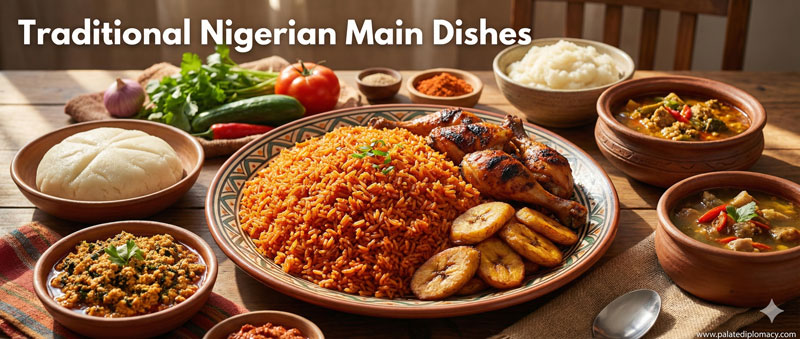
The Story Behind Ofada Rice, a Nigerian Food Favorite
Ofada rice is more than a dish. It is a warm invitation to sit, share, and celebrate the simple gifts of Nigerian farms. The story behind this beloved staple speaks to hospitality, locality, and the careful craft of home cooking. In this post, we explore its cultural value and culinary importance. We stay focused on the beauty of the dish and its place in the Food Culture.
What Makes Ofada Rice Special
Ofada rice is known for its unpolished grains and natural bran. The result is a warm, nutty aroma that fills the kitchen. The grains are typically medium to short in size and cook to a fluffy, cling-free texture. The color is a soft brown, with a hint of red from the palm oils often used in the sauce. Key features include:
– Unpolished grains with richer flavor
– A distinct, inviting aroma
– A firm yet tender bite when cooked well
– A natural, hearty look that says “home cooking”
This rice pairs beautifully with Ada sauce, a bright and peppery companion that completes the meal. The pairing highlights balance—nutty, earthy rice with a lively, glossy sauce.
The Ada Sauce: A Flavorful Companion
Ada sauce is the heartbeat of Ofada cooking. It blends peppers, onions, and a touch of oil with fragrant locust beans (iru). Palm oil adds a red-gold sheen and a gentle warmth. Meat or fish are common enrichments, but plant-based versions shine just as well. The sauce is simmered until its flavors blend into a confident, bold finish.
Steps often followed in home kitchens:
– Blend red peppers and onions into a smooth base
– Fry the paste in palm oil until fragrant
– Stir in iru and seasoning, then add stock or water
– Add meat, fish, or crayfish and simmer to deepen the flavor
The result is a glossy, vibrant sauce that clings to the rice and carries a memorable, savory punch. This sauce elevates everyday meals into a special dining experience.
Community, Celebration, and Everyday Joy
Ofada rice is a dish for both daily meals and special moments. It appears in family kitchens, market stalls, and small eateries that honor Nigerian flavors. Sharing Ofada around the table creates a sense of welcome and togetherness. The meal invites conversation, stories, and laughter, often with the sauce taking center stage as A Beloved companion. In many homes, the act of serving Ofada becomes a ritual that reinforces care and hospitality.
How To Enjoy Ofada Rice Today
To savor Ofada rice, follow a simple, thoughtful approach:
– Rinse the rice to remove surface starch, then cook until tender but firm
– Prepare the Ada sauce while the rice steams
– Spoon the sauce over the rice and mix gently for even coating
– Add complementary sides like greens or fried plantains for balance
– Share with friends and family to celebrate the moment
This method keeps the dish approachable while letting the natural flavors shine. It is a reminder that great food often grows from careful, uncomplicated steps.
A Timeless Flavor in Nigerian Food Culture
The story of Ofada rice is a tribute to local farming, skilled home cooking, and generous hospitality. It honors the farmers who grow the grains, the cooks who perfect the sauce, and households that keep the recipe alive. The dish remains a bridge between generations, welcoming new ideas while preserving a cherished core. In every bite, Ofada rice conveys patience, care, and joy. It stands as a proud expression of Nigerian food culture and a reminder of how a simple meal can become a beloved tradition.