
The Story Behind Ogbono Soup, a Nigerian Food Favorite
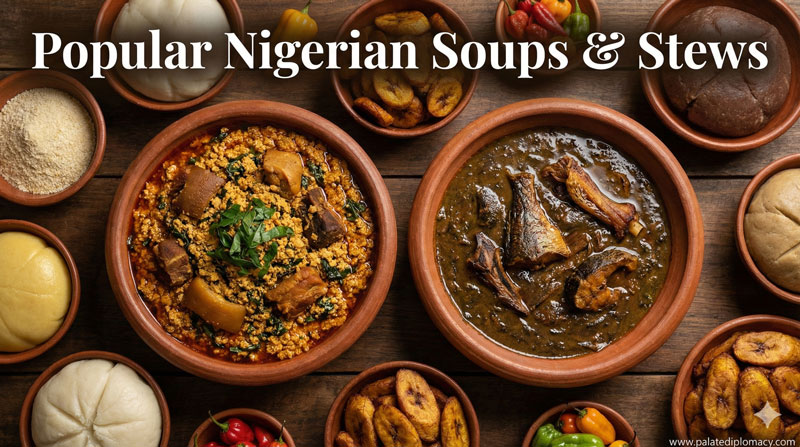
Ogbono soup has a warm presence in many Nigerian kitchens. The dish begins with the seeds of the African bush mango, ground into a creamy paste. Cooks simmer this paste with palm oil, stock, and a mix of meats or fish. The result is a thick, satisfying soup that invites slow, joyful tasting. The Story of Ogbono is a story of careful preparation, shared flavors, and everyday hospitality.
What Ogbono Is and How It Feels
Ogbono seeds release a silky, slightly slippery texture when they blend into hot liquid. This unique mouthfeel sets Ogbono apart from other soups. The base usually includes palm oil for color and depth, along with stock to carry the flavors. Crayfish, pepper, and salt lift the taste, while meats, fish, or seafood add heartiness. Some cooks add greens or herbs for brightness. The overall effect is a creamy, robust soup that pairs beautifully with starchy accompaniments.
Cultural Value: Hospitality, Family, and Shared Meals
Ogbono is a dish of welcome. It often appears on family tables during gatherings, Sunday meals, and special celebrations. The act of serving Ogbono to guests is a gesture of respect and warmth. In many homes, the same pot is shared among loved ones, reinforcing bonds and memories. The aroma alone can signal a comforting, familiar space. The dish also supports a sense of continuity, as recipes pass from one generation to the next with each simmer and stir.
Culinary Significance Across Variations
There are comforting variations that reflect local tastes. Some households blend in okra for a touch of added texture, while others keep the soup smooth and opaque. The choice of meat—beef, chicken, goat, or fish—offers further nuance. Dried stockfish or crayfish can deepen the flavor profile, and a pinch of locust bean or seasoning powder accents the aroma. The versatility of Ogbono allows cooks to honor family preferences while maintaining the core creaminess that defines the dish. Across kitchens, the soup still speaks with one vibrant voice: nourishment and connection.
Serving, Pairing, and Occasions
Ogbono is traditionally served with starchy sides such as pounded yam, fufu, garri, or semolina. These pairings balance the richness of the soup and invite careful savoring. It shines at hearty lunches and comforting dinners alike. When shared with friends and neighbors, the dish becomes a bridge between tastes and stories, inviting conversation as flavors unfold.
Quick Guide: A Snapshot of Preparation
- Toast and grind the ogbono seeds to a fine powder.
- Sauté palm oil with onions and peppers for a rich start.
- Add stock and your chosen meats or fish; simmer until tender.
- Whisk in the ground ogbono to reach a creamy consistency.
- Season to taste with salt, crayfish, and spices.
- Stir in greens if desired and serve hot with a starch side.
A Gentle Invitation to Explore
Ogbono soup invites curiosity and care. Its beauty lies in how simple ingredients become something deeply comforting. The dish celebrates texture, aroma, and the shared ritual of serving and tasting together. If you have not yet explored Ogbono, consider inviting friends or family to a quiet tasting. You may discover that the warmth of the soup mirrors the warmth of the conversations around the table.