
The Story Behind Kitfo, a Favorite Ethiopian Food
Kitfo is a beloved dish in Ethiopian cuisine. It speaks of careful preparation, bright flavors, and shared moments around the table. This dish invites us to notice how texture and spice can carry memory and meaning. The Story of kitfo begins with ingredients gathered close to the table where families and friends gather. It is a dish that travels from kitchen to plate through care, patience, and a respect for tradition.
A Dish Rooted in Ethiopian Hospitality
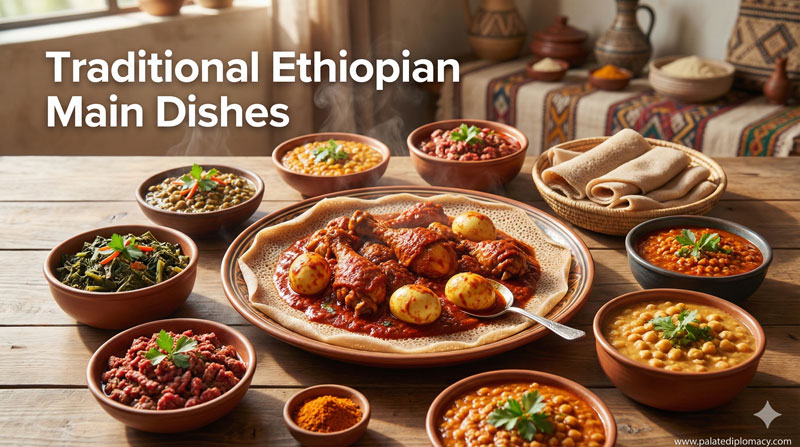
In Ethiopian culture, hosting is a warm and generous act. Kitfo reflects that spirit. The plate becomes a center for conversation, laughter, and connection. When kitfo arrives, it signals welcome and attention. The aroma of warm spices creates a sense of comfort. In this way, kitfo serves not only as sustenance but as a ritual that honors guests and gatherings. The scene around the table—injera laid out, small portions shared, and everyone taking part—highlights a culture that values togetherness.
What Kitfo Is: Ingredients and Techniques
Kitfo is built from three core elements: finely minced beef, a fragrant spice blend, and clarified butter. The beef is minced very finely, then seasoned with mitmita or a similar red chili blend and a touch of salt. The signature richness comes from niter kibbeh, a spiced clarified butter that releases its aroma as it warms. These components come together quickly, allowing the flavors to bloom in a gentle heat. Some cooks offer a lightly cooked version, but the traditional kitfo shines when the beef remains tender and bright with spice. The dish is commonly enjoyed with injera, the sour flatbread that also serves as a utensil in this cuisine.
The Rich Flavor: Niter Kibbeh, Mitmita, and Injera
Niter kibbeh is more than fat; it is a seasoned carrier for aroma. Garlic, onion, fenugreek, cumin, and other spices mingle in the butter, giving each bite a warm, smoky depth. Mitmita adds a peppery brightness and a subtle heat that harmonizes with the meat. Injera, made from teff, offers a soft, tangy backdrop that soaks up the butter and spice. This trio—beef, spice-infused butter, and injera—defines the signature balance of kitfo. The result is a dish with bite and character, inviting careful tasting and lingering aromas.
Serving Traditions: Ayib, Gomen, and Shared Plates
Kitfo is often served with ayib, a soft, fresh cheese, which adds a creamy contrast to the peppery heat. Gomen, or sautéed greens, provides a crisp counterpoint and moisture to the plate. The combination creates a well-rounded experience: richness from the butter, brightness from the spices, and freshness from the greens. Meals featuring kitfo emphasize shared serving on a large platter, where everyone can explore the toppings and textures together. This presentation strengthens the feeling of hospitality and community.
Regional Voices: Variations Across Ethiopia
Across regions, cooks add subtle twists to kitfo. Some prefer a slightly milder blend for younger palates, while others highlight a bolder pepper note. The quality of the beef and the balance of spice can shift with local preferences and seasonal ingredients. Even with variations, the core idea remains the same: a finely minced meat, a fragrant butter, and a purpose to bring people together through flavor. These small differences enrich the tradition without altering its essence.
From Home to Table: The Joy of Preparing Kitfo
Many households celebrate kitfo with care, taking time to prepare the butter and spice blends just right. The kitchen becomes a place of focus and respect for the ingredients. The moment when the minced beef meets the warm butter is a small ceremony, signaling that good food starts with thoughtful preparation. Home cooks often tailor the dish to family tastes, while still preserving the fundamental texture and aroma that make kitfo recognizable and cherished.
A Food Culture Worth Celebrating
Kitfo embodies more than taste; it embodies technique, memory, and care. The dish shows how precise chopping, careful heating, and balanced spice can create a comforting experience. It also demonstrates how a single plate can honor the past while inviting present enjoyment. In eating kitfo, many people sense a connection to their culinary heritage and to the shared practice of feeding others with warmth and attention.
Conclusion
Kitfo stands as a flavorful ambassador of Ethiopian cooking. Its fragrant butter, bright heat, and tender meat invite admiration for the skill and patience behind every bite. The dish reminds us that food can be a daily celebration of flavor, friendship, and hospitality. When you taste kitfo, you taste a story told in spice, texture, and togetherness.