
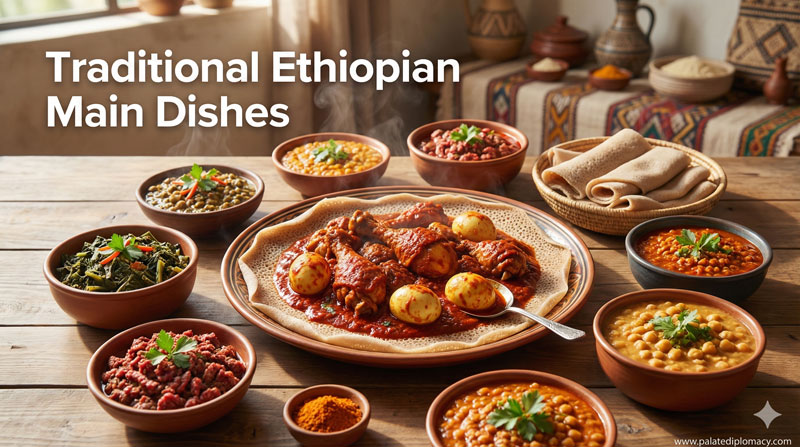
Everything You Need to Know About Tibs: An Invitation to a Rich Culinary Tradition
Welcome to Everything You Need to Know About Tibs. This post celebrates a dish that glows with aroma, color, and a sense of welcome. Tibs is more than a plate of meat; it is a small festival on a hot pan, a reflection of hospitality, and a bridge between home cooking and shared meals.
What Tibs Is
Tibs is a Popular Ethiopian dish featuring bite-sized pieces of meat that are quickly sautéed in a hot pan. The method highlights freshness and speed, letting the meat stay tender while the onions, peppers, and spices crisp and bloom. Throughout the cooking process, the aroma invites people to gather, talk, and smile. Tibs can use beef, lamb, or goat, and cooks beautifully when prepared with care and balance.
Core Flavors: Meat, Spice, and Sizzle
The heart of tibs lies in its lively flavor profile. Rich, savory meat meets sweet onions, and bright peppers provide a pop of color and crunch. Berbere, a warm Ethiopian spice mix, brings depth with chili, garlic, ginger, and a touch of earthiness. Niter kibbeh, a spiced clarified butter, adds a velvety richness and a nuanced aroma. Fresh garlic, tomato (optional), and sometimes mitmita or black pepper deepen the heat and complexity. The result is a dish that feels comforting yet exciting with every bite.
The Cooking Technique: Quick, High-Heat Sauté
Tibs shines when cooked quickly over high heat. Start with a well-heated pan, add niter kibbeh or oil, and sauté onions until they are glossy and sweet. Add the meat in a single layer to achieve a good sear, then stir in spices and peppers. The goal is to brown the meat nicely while keeping it juicy inside. Finish with a gentle seasoning and, if desired, a splash of stock or water to keep everything moist. The technique is simple, but mastery comes from timing and balance.
Core Ingredients That Define Tibs
- Meat: beef, lamb, or goat, cut into small chunks or thin strips
- Onions: sliced or chopped, forming the aromatic base
- Peppers: bell peppers or hot chiles for brightness and heat
- Garlic and sometimes ginger: for warmth and bite
- Berbere: the signature spice blend that ties the dish together
- Niter kibbeh: spiced clarified butter that enriches the flavor
- Tomatoes (optional): for a touch of sweetness and body
- Salt and pepper: to finish the dish to taste
These elements come together in harmony, with each component playing a clear role. The result is a dish that tastes bright and hearty at the same time.
Cultural Significance: A Dish of Welcome and Shared Moments
Tibs holds a special place in Ethiopian dining culture. It is commonly prepared for family meals, gatherings, and celebrations, where food becomes a conduit for conversation and connection. The sizzling sound and inviting aroma signal hospitality. People gather around a shared platter or on a table laid with injera, exchanging stories as they scoop tibs onto pieces of flatbread. Tibs exemplifies the joy of cooking as an act of care—cooks tailor the spice level to guests, inviting everyone to savor and participate.
In many homes, tibs is not just about taste; it is about the ritual of cooking together. Someone might supervise the pan, another chops onions, and everyone enjoys watching the meat transform from raw to richly browned. This collaborative experience reinforces social bonds and celebrates everyday life through food.
Regional and Personal Variations: A Living, Flexible Dish
Tibs is wonderfully flexible, and cooks adapt it to their tastes and pantry. Common variations include:
– Beef tibs: the classic version, balanced between savoriness and brightness
– Lamb or goat tibs: deeper, earthier notes, often preferred for special occasions
– Spicy tibs: extra berbere or hot chiles for heat seekers
– Mild or middle-ground tibs: careful seasoning to highlight the meat
– Vegetable-forward twists: some cooks add mushrooms, zucchini, or mixed vegetables for a lighter version
These variations reflect personal preference and seasonal ingredients. No matter the version, tibs remains a dish that emphasizes freshness, color, and a lively aroma.
Serving Traditions: Pairings and Presentation
Tibs is most often enjoyed with injera, the soft, sour flatbread that serves as both utensil and plate. The meat is placed on or beside the injera, and diners tear a piece of bread to scoop up bites. A simple salad, tomato-onion mix, or a fresh herb garnish often accompanies the dish, adding crunch and brightness. Beverages like traditional honey wine or spiced teas can complement the meal, enhancing the convivial mood without overpowering the flavors.
Tibs also adapts well to modern gatherings. In restaurants or home parties, a platter of tibs can be laid out with small portions for sharing, inviting guests to mingle and sample a range of textures and heat levels. The social element remains central: tibs invites conversation, sharing, and a warm welcome.
Tips for Home Cooks: Crafting Authentic Tibs at Home
- Choose good meat: fresh, well-trimmed cuts yield the best texture.
- Use a hot pan: a cast-iron skillet or heavy wok helps achieve a crisp browning.
- Build flavor first: start with onions, then add meat to capture browning flavors.
- Layer spices: add berbere and garlic at the right moments to release aroma without burning.
- Balance heat: adjust chiles and spice to your guests’ comfort level.
- Finish with salt near the end: this preserves moisture and flavor.
- Pair thoughtfully: serve with injera and a light, fresh side to balance richness.
With these steps, you can bring the vibrant spirit of tibs to your own kitchen, preserving the dish’s warmth and vitality.
Tibs at the Table: Hospitality through Food
Tibs embodies hospitality in a tangible, delicious form. The act of cooking and sharing tibs invites everyone to participate, taste, and enjoy together. The dish makes a statement about care: it says, “You are welcome here, and you belong at the table.” In this sense, tibs is more than sustenance; it is a social experience that honors togetherness, conversation, and the simple joy of good food enjoyed with friends and family.
A Warm Conclusion: The Beauty of Tibs
Tibs captures the beauty of Ethiopian cooking: quick technique, bold flavors, and a sense of community. It invites cooks to experiment within a framework of balance and tradition, and it invites diners to slow down, savor, and share. If you seek a dish that celebrates the senses and invites connection, tibs offers a clear, inviting answer. This dish reminds us that great meals often arise from thoughtful simplicity and communal spirit, turning everyday cooking into a memorable moment at the table.