
How Tibs Reflects Ethiopian Food Culture
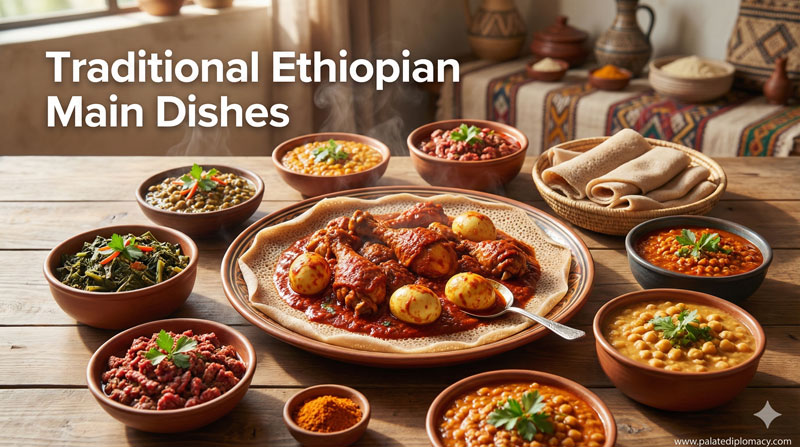
Tibs is a bright, inviting dish. It uses small cubes of meat sautéed with onions, peppers, tomatoes, and spices. It often features a touch of niter kibbeh, the spiced clarified butter that perfumes many Ethiopian dishes. Served on injera or with injera on the side, tibs becomes more than a meal. It is a celebration of taste, texture, and togetherness. This post explores how tibs mirrors Ethiopian food culture in everyday life and on special occasions.
Hospitality on a Shared Plate
In Ethiopia, meals are social events. Tibs supports this spirit beautifully. A large platter or a shared skillet creates a focal point for conversation and connection. People gather around the food, pass the injera, and scoop bites together. The act of sharing signals welcome and respect. Tibs therefore acts as a culinary invitation. It invites guests to take part, to notice the aroma, and to appreciate the bustle of a lively table.
The Language of Ingredients
The ingredients in tibs tell a story of seasonality and place. Onions and garlic form the base. Peppers add color and a gentle bite. Tomatoes bring a bright sweetness that balances heat. The spices—bergbere or mitmita—bring warmth and depth without overwhelming the dish. Niter kibbeh adds a nutty, fragrant note through carefully toasted spices. Each ingredient has a role, and together they sing. The result is a dish that speaks plainly about patience, balance, and care in the kitchen.
Technique as Tradition
The preparation of tibs emphasizes technique and attention. A hot pan creates a quick sizzle and a light browning of the meat. This Maillard reaction adds depth to the dish. Stirring keeps flavors evenly distributed and prevents sticking. The cook tastes and adjusts with salt and spice, often near the end of cooking. In this way, tibs reveals a practical, hands-on approach to flavor. It rewards calm concentration and trust in the senses.
Flavor Harmony and Texture
Tibs strikes a balance between savory richness and fresh brightness. The meat remains tender, not dry, while the vegetables stay crisp and alive. The onions simmer just enough to release sweetness without losing bite. The heat from peppers nudges the palate, while the herbaceous notes from garlic and herbs provide clarity. This harmony mirrors Ethiopian Cuisine’s broader goal: to layer flavors so they support rather than overwhelm each other. The texture contrast—soft meat, crisp vegetables, and pliant injera—adds another layer of celebration.
Injera: The Plate and the Utensil
Injera is more than a side dish in tibs. It serves as a natural plate and a utensil. People tear off a piece of injera to scoop up tibs. The bread’s tangy sourness balances the dish’s richness. As a shared staple, injera reinforces community at mealtime. It grounds the experience in daily life and makes the meal approachable for all ages.
A Reflection of Adaptability
Tibs adapts easily to different households and occasions. You can use beef, lamb, chicken, or even fish. Some cooks include mushrooms, green beans, or colorful peppers to emphasize seasonality. The dish remains flexible and forgiving, inviting cooks to tailor it with what’s on hand. This adaptability mirrors Ethiopian culinary practice, where meals often reflect what ingredients are available and what kind of gathering is taking place.
Meals for Everyday and Special Moments
Tibs fits both everyday lunch and weekend feasts. On busy days, a quick tibs stir-fry can come together in minutes, yet it never feels rushed. For a larger celebration, chefs may pair tibs with multiple sides and a wider spread of injera. In either case, tibs preserves the sense that food is a bridge between routine and joy. The dish stays grounded in everyday life while offering a sense of occasion when shared with family and friends.
Regional Expressions on a Single Plate
Across Ethiopia, tibs can carry regional flavors. Some places favor beef with a bolder spice note; others prefer a milder profile that highlights the meat’s natural sweetness. The vegetables and heat level can vary as well. These regional touches enrich the dish without changing its core identity. The result is a culinary map that you can taste in one plate. It’s a reminder that Ethiopian food culture values local character as much as universal warmth.
The Social Rhythm of the Table
Eating tibs often follows a familiar rhythm. Guests arrive, tea is poured, and conversations begin. The cook may check in with a smile, then return to the pan for a final stir. Moments like these reveal a culture centered on patience, generosity, and attentive hosting. Tibs becomes a gentle thread that weaves people together across generations.
Vegetables, Meat, and Seasonal Balance
Tibs highlights the balance between meat and vegetables. While meat provides substance and richness, vegetables contribute brightness and crunch. This balance is thoughtful and intentional. It demonstrates a preference for meals that engage multiple senses. The dish shows a sustainable pattern: use what is in season, value variety, and maintain a sense of harmony on the plate.
A Window into Everyday Craft
Home cooks and professional chefs alike bring tibs to life with care. They season thoughtfully, monitor heat, and taste with intention. This care speaks to a broader Ethiopian culinary value: cooking as craft and generosity. The kitchen becomes a studio where time-honored methods meet personal touch. Tibs, in this view, is not simply food; it is a craft passed from hands to hands.
A Gentle Culinary Navigator
Tibs helps readers and diners understand Ethiopian flavors without barriers. The dish teaches how heat, fat, salt, and sourness work together. It offers a gentle path into a kitchen tradition that uses simple tools but rich methods. For curious cooks, tibs provides accessible technique and a welcoming flavor profile to imitate and experiment with.
A Model for Shared Hospitality
In many homes, tibs is a model of shared hospitality. The dish invites guests to participate in the meal experience. It invites storytellers, cooks, and eaters to contribute their own touches. That inclusivity shows a core value: food as a communal journey. Tibs makes everyone a part of the moment, not just a spectator.
Concluding Thoughts: Tibs as Cultural Echo
Tibs reflects Ethiopian food culture through its approach to ingredients, technique, sharing, and seasonality. It honors hospitality with every bite. It celebrates balance and color on the plate. It invites people to gather, taste, and talk. In short, tibs is more than a dish. It is a quiet ambassador of a warm, generous food culture. If you want to glimpse Ethiopian flavor and values, tibs is a thoughtful starting point.
If you’d like, I can tailor a tibs recipe outline that emphasizes the cultural notes above, or adapt the language to suit a specific audience—beginner cooks, travelers, or food lovers seeking a deeper cultural dive.