
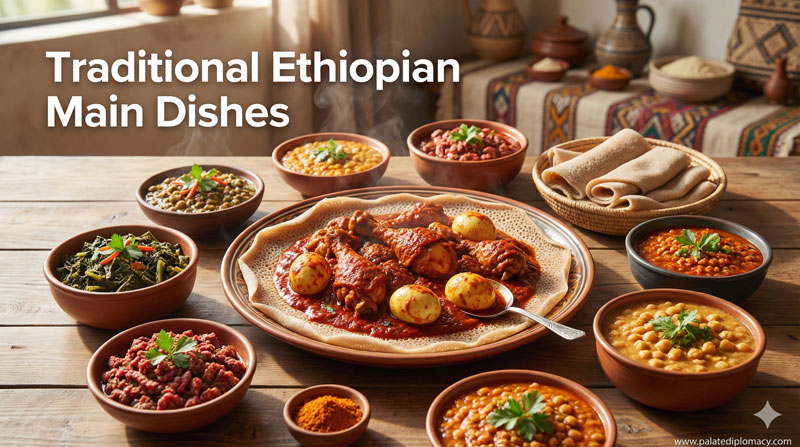
Why Tibs Is One of Ethiopia’s Most Loved Dishes
Tibs is a warm, inviting dish that speaks to the heart of Ethiopian cooking. It centers on small pieces of meat lightly sautéed with onions, peppers, and spices. The dish rests on injera, the sour flatbread that serves as both plate and utensil. Tibs embodies craft, aroma, and the joy of sharing. It invites conversation, celebration, and everyday nourishment. With every bite, you feel the care of the cook and the generosity of hospitality.
The Core of Tibs: Ingredients and Method
Most kitchens begin with beef, though lamb or goat work beautifully as well. A hot pan or skillet wakes the spices and aromatics. Onions soften first, then garlic and ginger brighten the base. The meat goes in and sears quickly, locking in juices and flavor. Milky-white sizzle gives way to a deep brown color, signaling readiness. Berbere or mitmita adds warmth and bite, while tomatoes contribute sweetness and brightness. A splash of niter kibbeh—spiced clarified butter—lounges through the mix, enriching the aroma and gloss. Salt tunes the balance. The dish remains a rapid, high-heat sauté, often ready in minutes. The result is tender meat coated in a glossy sauce that clings to each piece. Serve it alongside injera so diners can scoop and savor every mouthful.
Tibs as a Social Dish: Sharing and Hospitality
Tibs shines when it is shared. Families prepare it for everyday meals and for special gatherings alike. The platter becomes a centerpiece, surrounded by injera. People gather, talk, and laugh as they pass pieces from hand to hand. The act of sharing makes tibs more than a meal; it becomes a moment of connection. The aroma fills the room, inviting everyone to taste and smile. In this way, tibs reinforces a culture of generosity and togetherness that Ethiopian dining proudly preserves.
Regional Hearts: Variations Across Ethiopia
Homes across the country tailor tibs to their own pantry and palate. Some cooks favor extra peppers for a brighter, brisk spiciness. Others add mushrooms, green beans, or colorful bell peppers to create more texture and color. The choice of meat changes the texture and depth: beef delivers a robust bite, lamb adds a soft, nuanced note, and goat offers a lean, lively finish. Spices shift with local blends, yet the essence remains the same: a quick, sizzling dish that respects ingredients and heats the room with scent and flavor. This versatility mirrors a culture that welcomes variety while honoring tradition.
The Aroma, Flavor, and Technique
The sizzle is the heartbeat of tibs. Onions, garlic, and ginger form a fragrant base that signals a successful dish. Berbere brings warmth, depth, and a gentle heat. Niter kibbeh adds a fruity, toasty richness that coats the meat. The quick sear locks in juices and creates a glossy glaze. The balance of savory meat, bright aromatics, and spiced butter makes tibs immediately memorable. Each bite carries a layered aroma that lingers, inviting a second helping and another breath of the perfume that hovers over the table.
Pairings, Presentation, and Practice
Tibs and injera form a timeless pairing. The bread soaks up sauce and catches morsels that might otherwise slip away. Fresh herbs on top—such as chopped parsley or cilantro—lift the dish with a bright note. Optional accompaniments like ayib (fresh Ethiopian cheese) or a simple salad can cleanse the palate between bites. Presentation matters too: a wide platter, neatly arranged meat, and a circle of injera around the sides create an inviting scene. With practice, cooks learn to control heat and oil so the meat stays tender and the sauce coats every piece evenly. The result is a meal that feels both comforting and refined.
Why Tibs Stands Out in Ethiopian Cuisine
Tibs stands out for its balance of speed, craft, and sociability. It respects everyday ingredients and elevates them with technique and aroma. The dish shows how a few staples—meat, onions, spices, butter, and bread—can become a meal that carries memory and meaning. In Ethiopian cooking, food often serves as a bridge between moments of daily life and moments of celebration. Tibs embodies that bridge with every sizzling plate and shared bite. Its flexibility, aroma, and heart make it a beloved staple across kitchens and hearts alike.
How to Try Tibs at Home
If you want to bring tibs into your own kitchen, start with a good pan and a hot flame. Gather beef, lamb, or goat; onions; garlic; ginger; peppers; tomatoes; berbere or your preferred spice blend; and niter kibbeh or a neutral oil plus a touch of butter. Step 1: Pat the meat dry and season lightly. Step 2: Sear the meat in a hot pan until well browned. Step 3: Remove the meat and sauté onions until they glow. Step 4: Add garlic, ginger, peppers, and tomatoes; cook for a minute to release their fragrance. Step 5: Return the meat to the pan, add spices, and toss to coat. Step 6: Finish with a small knob of butter for shine. Step 7: Serve immediately with injera or your favorite flatbread. Tip: don’t crowd the pan, and keep the heat high enough to sear rather than steam. The result should be tender meat with a glossy, flavorful sauce.
A Gentle Note on Its Timeless Place in Food Culture
Tibs remains a collective experience. It invites people to gather, share, and enjoy a dish that celebrates warmth and craft. The preparation rewards careful timing, attentive seasoning, and thoughtful serving. In every kitchen, tibs becomes a signature of care—the flavor of home offered to guests and loved ones. The dish endures because it is adaptable, fragrant, and inclusive, inviting everyone at the table to participate in a moment of simple, delicious connection.
If you’re new to Ethiopian cooking, tibs offers a welcoming doorway. Its speed, aroma, and social value make it a memorable introduction to a cuisine that cherishes family, hospitality, and the joy of a well-made meal. Enjoy tibs as a celebration of flavor, technique, and togetherness—the very heart of Ethiopian food culture.