
Discover the Rich Flavors of Tibs
Tibs is a vibrant dish from Ethiopian Cuisine that celebrates sizzling meat, bold spices, and shared meals. In many homes, it appears when guests arrive or as part of a festive table. The aroma rises from a hot pan, blending onions, garlic, peppers, and a spice blend into a bright, inviting scent. Tibs is more than food; it is a welcome signal, a sign of hospitality, and a moment to connect over flavor.
What Tibs Is: A Quick Overview
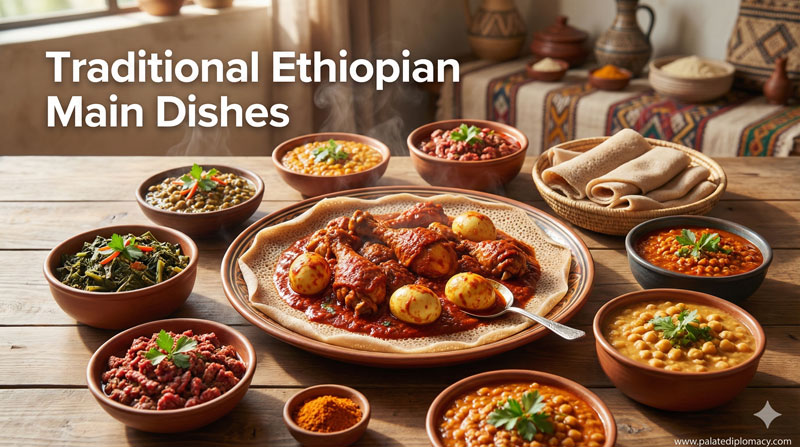
Tibs is typically made with beef, lamb, or chicken, though other proteins may appear. The meat is cut into small pieces and cooked quickly to stay tender. Key flavors come from onions and garlic, sometimes ginger, and a lively spice blend such as berbere. Clarified butter, known as niter kibbeh, adds depth and a silky texture. Tomatoes or peppers may appear for color and sweetness. The dish is commonly served with injera, the soft, sour flatbread that acts as both plate and utensil, making tibs a hands-on, communal experience.
The Heart of the Dish: Ingredients and Technique
The secret to tibs lies in balance and timing. Heat a wide pan, melt the butter or oil, and let onions sizzle until they soften and bronze. Add garlic, ginger, and any fresh peppers for brightness. Introduce the meat and sear it quickly to lock in juices. Sprinkle berbere or a milder spice mix, then stir to coat every piece. A splash of stock or water can lift the fond from the pan, enriching the sauce. Finish with fresh herbs and a final drizzle of butter for shine. The result is a dish with a lively crust, a savory sauce, and a fragrant finish that invites you to taste again.
Cultural Value: Hospitality and Shared Meals
Tibs holds a special place in gatherings and everyday dining alike. It is a dish made to be shared, inviting everyone to gather close and enjoy bites together. The act of serving tibs on injera emphasizes communal eating, where each person folds a piece of bread around a portion and sandwiches the meat for a balanced bite. This practice mirrors a cultural emphasis on generosity, warmth, and togetherness. Tibs also showcases the skill of the cook, as each refinement—from spice level to meat tenderness—contributes to a memorable experience. In homes and restaurants, tibs often signals care and celebration, inviting smiles and conversation around the table.
Regional Styles and Variations
Across homes and kitchens, tibs adapts with seasonal ingredients and personal tastes. Some cooks favor a smoky note with roasted peppers; others lean into tang with tomatoes or lemon. The level of heat can range from mild to bold, and the choice of meat reflects what is available or preferred. Variations might include additional vegetables, different spice blends, or a light touch of wine or stock to create a richer sauce. Regardless of exact ingredients, tibs remains a flexible, welcoming dish that honors local flavors and family recipes.
Pairings, Serving, and Etiquette
Serve tibs hot on a broad platter with injera laid nearby. Guests use injera to scoop portions, letting bread absorb the flavorful sauce. Fresh herbs or a squeeze of lime can brighten the final bite. A simple salad or shiro (a chickpea-and-spice puree) complements tibs without overpowering it. For drinks, a mild tea or a traditional fermented beverage can accompany the meal, keeping the focus on savoring the flavors and the company around the table.
Tips for Cooking Tibs at Home
- Choose fresh, quality meat and pat it dry for a good sear.
- Use a hot pan and avoid overcrowding to keep a crisp exterior.
- Start with onions, then add garlic and ginger for a fragrant base.
- Adjust berbere to taste; start with a small amount and add more as you go.
- Finish with a touch of butter and fresh herbs to lift the flavors.
- Serve with injera to maintain the authentic shared-eating experience.
Conclusion: A Dish That Celebrates Flavor and Community
Tibs is more than a recipe; it is a celebration of flavor, care, and connection. Its sizzling sound, rich aroma, and bright finish invite people to gather, share, and appreciate the beauty of well-prepared ingredients. Whether enjoyed as a everyday meal or a special occasion, tibs reveals the heart of Ethiopian cooking: warmth on a plate, cherished traditions, and a welcoming table.