
Discover the Rich Flavors of Tibs
Tibs is more than a dish. It is a living thread in Ethiopian culinary culture, weaving together aroma, texture, and social connection. When you hear the sizzle in a hot pan and see the array of peppers, onions, and meat come to life, you glimpse a meal that celebrates fresh ingredients, careful technique, and warm hospitality. Tibs invites us to pause, share, and savor.
Cultural Value: A Dish of Welcoming Hearts
In Ethiopian dining, tibs marks moments of gathering and celebration. It appears at family meals, at festive reunions, and in everyday offerings that say, “You are welcome at our table.” The preparation centers on generosity: generous portions of meat, generous spices, and generous hospitality. Tibs brings people together around a shared plate, where bites are passed, and stories flow as smoothly as the sauce coats the tender pieces. This social rhythm—cook, serve, share, and praise—the dish embodies a welcoming spirit that is easy to feel at the table.
Culinary Significance: The Craft Behind the Sizzle
Culinary value shines in tibs through technique and balance. A hot skillet or clay pan heats quickly, allowing meat to brown and develop depth. Aromatics lead the way: onions soften and sweeten, garlic and ginger lift the flavor, and peppers add brightness. Spices like berbere or mitmita provide warmth and color without overwhelming the natural meatiness. Niter kibbeh, a clarified butter scented with spices, often glides into the pan, enriching the glaze and adding fragrance. The result is a dish with a sharp, savory aroma, a glossy surface, and a satisfying bite that lingers on the palate.
This dish also demonstrates versatility in texture. Some bites stay meaty and tender; others carry a hint of crisp edges from quick searing. The vegetables—onions, peppers, and sometimes tomatoes—provide sweetness and acidity that harmonize with the spices. The culinary value of tibs lies in this harmony: heat, fat, spice, and vegetable sweetness all working together to create a cohesive, memorable flavor profile.
Regional Flair: Variations Within a Shared Tradition
Tibs wears local accents in every kitchen. Beef tibs is the most common version, but lamb tibs and even fish tibs appear in coastal or river-adjacent cultures. Some cooks favor a medley of vegetables for color and balance, while others lean into a leaner meat and a brisker cook time for a brighter, livelier sauce. The heat level can range from gentle to bold, depending on family preference and the occasion. Across regions, you will notice differences in spice mixturing, fat use, and the amount of stock or sauce left on the plate. Each variation reflects a home kitchen’s memory, season, and shared taste.
Serving and The Cultural Etiquette
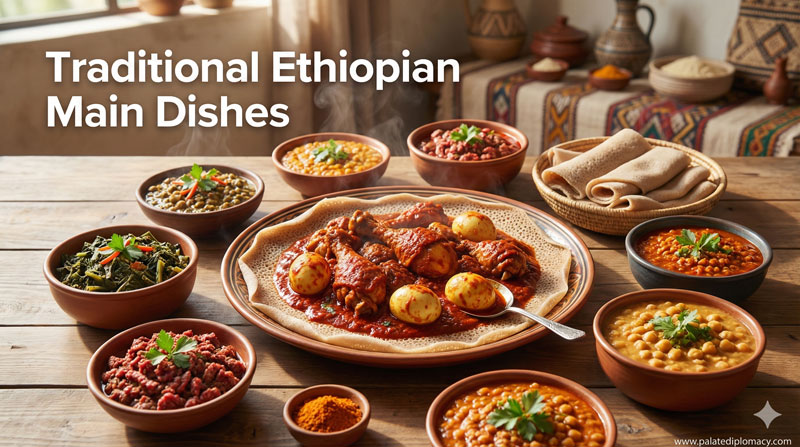
Tibs is often served with injera, the spongy flatbread that acts as both plate and utensil. The ritual of tearing off a piece of injera and scooping tibs is a tactile celebration of texture and culture. Gursha, a practice of feeding a bite to a guest with the bread, signals hospitality and friendship. Such customs emphasize care, mutual respect, and the pleasure of sharing food. The combination of tibs with injera gives a complete sensory experience: the skillet’s aroma, the tender meat, the tang of peppers, and the soft bite of bread—all in one moment.
Pairings and Presentation: A Feast for the Eyes and Palate
Visually, tibs glows with color: the rich brown of seared meat, the red and orange flecks of peppers, and the pale sheen of onions. Present it bright and hot to preserve aroma and texture. Flavor-wise, tibs pairs well with mild sides that absorb sauce and contrast with spice. A simple lentil or bean dish, a fresh cucumber salad, or a light tomato salad can balance the meal. When possible, serve tibs with a generous portion of injera to invite dipping and each bite’s evolving flavors.
Home-Cooking Tips: Recreating Tibs at Home
- Use a heavy skillet and high heat. This helps achieve a quick sear and a glossy finish.
- Choose fresh meat and cut it into even pieces for uniform cooking.
- Build flavor with onions first, then add garlic, ginger, and spices. Let the spices bloom briefly for aroma.
- Add a touch of niter kibbeh or a neutral oil if you prefer a lighter finish. Adjust salt to taste as the dish cooks.
- Finish with chopped greens or peppers for color and a final fresh note.
- If you prefer a saucier tibs, add a splash of stock or tomato to the pan and simmer briefly.
The Living Table: Tibs in Everyday Life
Tibs thrives in daily life and in special gatherings alike. It demonstrates how a dish can be both comforting and vibrant, sturdy yet delicate in balance. The kitchen becomes a place of storytelling—recipes passed down, small tweaks shared, and new family notes added with each cooking session. In this way, tibs remains a living tradition: not fixed in time, but renewed with each cook and each plate set at the table.
A Warm Invitation
Discover the rich flavors of tibs, and you discover a cultural heartbeat—seasoned with care, shared with joy, and celebrated at the table. As you explore its aromas and textures, you’ll feel the generosity of hospitality, the artistry of spice, and the simple delight of a meal that gathers people together. If you are new to Ethiopian Cuisine, tibs offers a welcoming initiation: a dish that is flavorful, approachable, and deeply rooted in the joy of good company.
If you’d like, I can tailor a tibs recipe to your kitchen, suggest exact spice levels, or share a journey through regional variations you might enjoy exploring with friends and family. Either way, tibs awaits as a bridge between kitchen craft and communal celebration.