
Introduction
Tibs is more than a dish; it is a warm invitation to share a table. In Ethiopian kitchens, tibs shines as a celebration of flavor, aroma, and togetherness. People welcome guests with the sizzle of meat and the glow of spices, and the dish quickly becomes a memory of hospitality. This post invites you to explore tibs as a vibrant cultural thread and a culinary jewel. You will discover how simple ingredients become a bright, comforting experience that speaks to the heart of Ethiopian food culture. Read on to learn what tibs is, how it tastes, and why it matters in daily meals and in festive gatherings.
What is Tibs?
Tibs are small, bite-sized pieces of meat that are sautéed or pan-fried until lightly browned. The meat is typically beef, lamb, or goat, but other proteins can work as well. Onions, peppers, and garlic create the base, while spices like berbere or mitmita bring warmth and aroma. A splash of clarified butter called niter kibbeh adds richness, texture, and depth. The dish is commonly served with injera, a spongy flatbread made from teff, which plays a central supporting role. Even when tibs lean toward a simple presentation, the balance of sweetness, heat, and savor makes it an instantly recognizable Ethiopian staple.
Core Ingredients and Techniques
The heart of tibs lies in technique as much as in ingredients. Start with a hot pan so the meat colors quickly and locks in juices. Next, add onions and peppers to create fragrance and sweetness. Garlic and fresh herbs deepen the aroma, while berbere or mitmita tease the palate with gentle heat. A knob of niter kibbeh or a neutral oil carries all these flavors together. Salt seasons the dish to taste, and the sauce that forms in the pan coats the meat for a glossy finish. The result is tender meat with crisp edges, bright vegetables, and a comforting, aromatic sauce.
Flavor Profile and Texture
Tibs offers a lively blend of textures and tastes. The meat is juicy and browned, contrasting with tender onions. Peppers provide a mild bite, and the spice blend delivers warmth without overpowering the dish. The butter or oil sheen gives tibs a luscious mouthfeel, while the herbs lift the aroma into the room. Depending on the cook, tibs can lean toward a lighter, almost fresh finish or a richer, deeper glaze. No matter the version, tibs remains inviting and satisfying, a dish that makes you slow down to savor each mouthful.
Cultural Significance and Occasions
Tibs embodies hospitality and communal eating. It appears on family tables during everyday meals and shines at special gatherings when friends come together to celebrate. The act of sharing tibs on a central platter reinforces a sense of belonging and generosity. The dish pairs perfectly with injera, allowing everyone to scoop and enjoy together, a motion that reinforces conversation, laughter, and connection. Tibs also reflects the versatility of Ethiopian cooking, showing how a few ingredients can become a dish that feels both everyday and special.
Regional Variations Across Ethiopia
Across regions, tibs adapts to local tastes and ingredients. Some cooks emphasize a bolder spice profile, while others favor a milder, herb-forward approach. In certain areas, small tomatoes or fresh chilies join the pan for brightness. Others may finish tibs with a touch of lemon juice, adding a citrusy lift that brightens the dish. The choice of meat and the balance of fat also vary, offering a spectrum from lean, quick-fry tibs to richer, slower-sautéed versions. This regional variety highlights the dish’s flexibility and its capacity to reflect local markets, seasons, and culinary preferences.
Serving, Etiquette, and Pairings
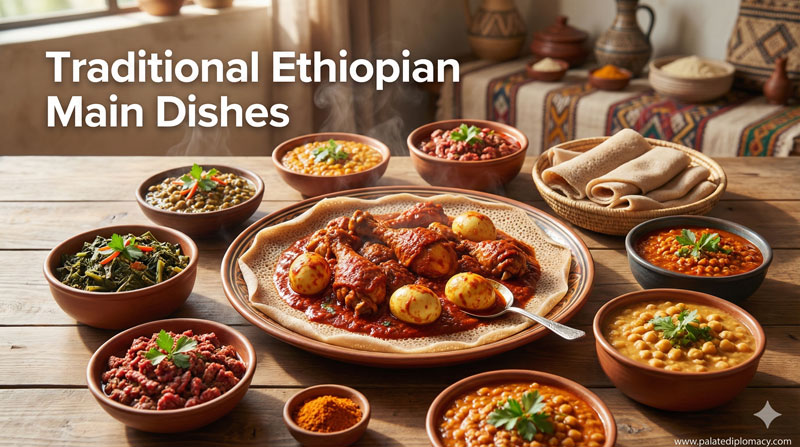
Traditionally, tibs is served on a shared platter with injera beneath or on the side. Diners tear pieces of injera to scoop up the meat and sauce, creating a tactile, communal experience. A simple cucumber salad or cooked greens often accompanies tibs, providing a fresh contrast. For beverages, a light beer or a mild, fruity tea can complement the dish, while coffee can be part of the broader meal tradition that accompanies gatherings. The key is to enjoy tibs in the company of others, savoring the aroma, the textures, and the warmth that the dish brings to the table.
How to Try Tibs at Home
- Choose your protein: beef, lamb, or goat work beautifully.
- Gather aromatics: onions, garlic, peppers, and a spice blend (berbere or mitmita).
- Use niter kibbeh or a neutral oil for a rich, glossy finish.
- Sauté in a hot pan until the meat browns, then add onions and peppers.
- Stir in spices, finish with a splash of salt and herbs, and cook until tender.
- Serve with injera or your favorite flatbread to scoop the sauce.
- Enjoy with friends or family, appreciating the dish’s storytelling power as it travels from pan to plate.
Pairings and Beverages
The natural partner to tibs is injera. The tender bread soaks up the sauce and balances the spices. Fresh salads, tomato-based condiments, and a dollop of yogurt can add cool contrast. If you enjoy a drink, a light, fruity tea or a modest beer enhances the meal without overwhelming the flavors. The idea is harmony: flavors that lift each other and create a satisfying whole.
Conclusion
Tibs stands as a bright example of how cooking can honor culture and celebrate community. Its simple ingredients become something greater when prepared with attention, shared with care, and enjoyed with good company. Whether you encounter tibs in a bustling kitchen or recreate it at Home, you invite a moment of Ethiopian culinary storytelling—one where aroma, texture, and warmth come together on a single plate. May your tibs be flavorful, your table welcoming, and your experience rich with the cultural value and culinary significance that make this dish so beloved.