
How Tibs Became Popular in Ethiopian Cuisine
Tibs is more than a dish; it is a warm invitation to share a moment around the table. In Ethiopian homes and eateries, the scent of sizzling meat signals hospitality and welcome. The journey of tibs into the heart of Ethiopian cuisine began with simple, joyful cooking at Home. Chefs and family cooks learned to trust the tap of a hot pan, the sound of onions meeting oil, and the glow of spices blooming in the heat. Over time, this cheerful method of cooking spread from kitchen to market stall to restaurant. The result is a beloved favorite that travels easily between casual meals and celebratory gatherings. Tibs shows how food can connect people through familiar flavors and shared experience.
From the first spark of heat to the final plate, tibs embodies a lively, practical approach to cooking. It favors quick, high-heat searing to lock in flavors and create a light crust. This technique preserves the natural sweetness of onions and peppers while letting spices do their bright work. The dish welcomes flexibility. Beef, lamb, or even goat can star in tibs, and home cooks adjust the ingredients to what is on hand. In this way, tibs becomes a canvas for the family pantry. The result is a dish that tastes like home, yet feels ready for a crowd. Its popularity grows when people notice how easily it adapts to different cooks and occasions.
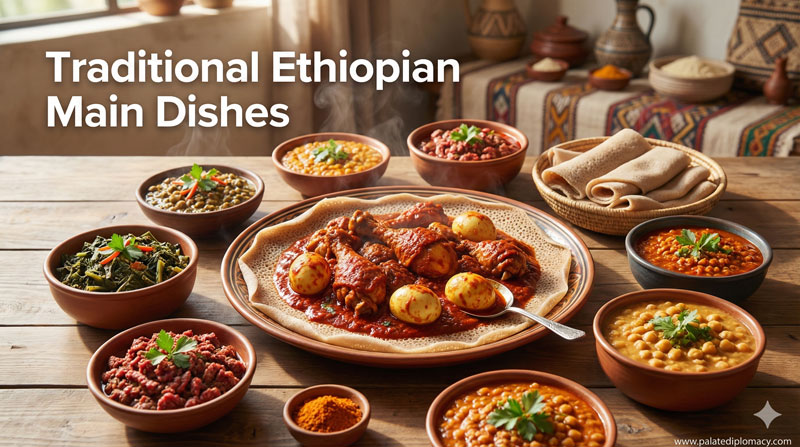
Tibs also carries a sense of place. It pairs beautifully with injera, the spongy Ethiopian flatbread that soaks up sauce and joins the circle around the table. The pairing invites diners to scoop, tear, and share. In markets and eateries, tibs is often a showcase of color: red and green peppers, golden onions, and the dark, glossy pan sear. This visual appeal reinforces its role as a centerpiece for gatherings. In short, tibs rose to prominence by being warm, approachable, and adaptable, qualities that resonate with many days of everyday life and moments of celebration alike.
The Core: Ingredients, Tools, and Technique
The essence of tibs lies in balance. A lean piece of meat forms the heart, but the dish gains depth from supporting elements. Onions are the backbone, their sweetness turning the oil into a glossy base. Tomatoes or bell peppers add brightness, while garlic and ginger bring a crisp, aromatic bite. Berbere or mitmita spices provide warmth and a gentle kick, yet the heat remains harmonious rather than overpowering. Niter kibbeh, a seasoned clarified butter, often contributes a silky richness that harmonizes with the meat’s savor. The result is a bright, savory glaze that coats everything in a glistening sheen.
Cooks start with a hot pan. They add oil and let it shimmer before adding onions. The onions soften, release aroma, and form a glossy layer that carries the spices. Meat goes in next, seared quickly to brown the edges and trap juices. The peppers, tomatoes, and aromatics follow, adding color and balance. The dish finishes with fresh herbs or a final splash of citrus to lift the flavors. Throughout, the technique remains straightforward: high heat, quick cooking, careful seasoning, and attentive tasting. This practical method makes tibs approachable for home cooks and professional kitchens alike.
Seasonal and regional variations enrich tibs without breaking its core. Some cooks favor more peppers for color and bite; others prefer a milder, sweeter profile. The choice of meat reflects preference and availability, while occasional additions—mushrooms, green beans, or fresh herbs—offer new dimensions. The instinct to adapt is part of tibs’s charm. Yet the foundation remains consistent: a tender sear, a bright sauce, and a moment of shared anticipation as the platter arrives.
A Social Dish: Tibs at Home, Markets, and Gatherings
Tibs thrives where people gather. In homes, it becomes a centerpiece for family meals that stretch into conversation and laughter. The act of cooking tibs often emerges as a welcome ritual, a small ceremony that signals care for loved ones. Families pass the pan, adjust seasonings to taste, and tell stories over the sizzling sound. In this setting, tibs is a language of hospitality and warmth.
In markets and street stalls, tibs captures the spirit of everyday Ethiopia. Vendors rotate between grill and pans, turning batches quickly to meet demand. The aroma draws curious patrons who step closer, ready to taste. This accessibility helps tibs reach a broad audience, from neighbors sharing a quick lunch to friends meeting for an afternoon chat. The dish acts as a bridge between the speed of street life and the comfort of home cooking.
At gatherings and celebrations, tibs shines as a communal dish. Large pans, generous portions, and a shared plate evoke a sense of togetherness. Diners scoop tibs with injera, catching flavorful morsels as the tangy flatbread soaks up sauce. The experience is tactile as well as delicious: the soft tear of injera, the clack of spoon against plate, the clink of cups, and the steady hum of conversation. Tibs becomes a thread in the fabric of social life, linking ordinary meals to moments of connection and joy.
Regional Treasures: Variations Across Ethiopia
Across regions, tibs carries local flavors and textures. Some kitchens favor a bold, peppery profile, while others lean toward a milder, comforting taste. The choice of meat, the level of char, and the presence of certain greens or herbs reflect regional preferences and seasonal ingredients. In highland areas, the dish may be prepared with particular spices that echo local gardens and markets. In lowland towns, the dish might lean toward brighter acidity or a touch more sweetness, depending on available produce and family tradition.
Regional cooks also experiment with presentation. Some plate tibs in generous piles that invite sharing; others present a neater, plated version for a refined table setting. The method stays adaptable: from quick sizzle to slower simmer, from simple pantry spices to a curated blend of regional seasonings. Regardless of the variation, tibs continues to celebrate the skill of the cook and the generosity of the meal. This shared adaptability is a cornerstone of its lasting appeal.
Serving Rituals: Eating, Etiquette, and Aroma
Serving tibs naturally guides kitchen-to-table flow. The dish arrives steaming, its aroma inviting and bright. Diners gather around injera, tearing a piece to scoop the meat and sauce. The practice underscores the social nature of Ethiopian dining, where eating becomes a moment of connection rather than a solitary act. The presence of tea or coffee after the meal often accompanies tibs, rounding the experience with a gentle pause that honors hospitality.
Etiquette around tibs emphasizes consideration and warmth. Guests offer the first bites to elders, acknowledge the cook with smiles, and share compliments about balance and aroma. The food becomes a vehicle for courtesy and care. In many homes, tibs is tied to Sunday meals and special gatherings, reinforcing tradition while leaving room for personal expression. The ritual is simple, human, and deeply reassuring—a reminder that good food bridges generations through shared experience.
The Modern Moment: Tibs in Today’s Ethiopian Dining
Today, tibs holds a steady, growing presence in both everyday meals and more festive dining. In urban restaurants, chefs present tibs with precise searing and vibrant color, highlighting texture and aroma. Home cooks continue to adapt tibs to their own kitchens, preserving the dish’s spirit while making it accessible to new learners. The dish also serves as a gateway to broader Ethiopian cuisine, inviting diners to explore pairings, sauces, and accompaniments that complement tibs.
The appeal lies in its clarity and warmth. Tibs offers a direct, satisfying flavor experience that respects tradition while inviting experimentation. It remains approachable for Beginners and a satisfying canvas for experienced cooks. In this way, tibs continues to evolve while staying true to its heart: a dish built on quick skill, shared table, and the pleasure of good company.
A Final Note: The Enduring Beauty of Tibs
Tibs embodies more than taste. It is a story told through color, aroma, and the simple joy of gathering. Its journey—from home kitchens to public spaces, from regional variations to global curiosity—reflects a culture that prizes hospitality, craft, and community. The dish remains a vivid reminder that food can be a unifying, comforting force. As long as people gather to cook and share, tibs will continue to shine as a bright expression of Ethiopian culinary culture.