
A Complete Guide to Enjoying Tibs Like a Local
Tibs is a bright, welcoming dish from Ethiopian cooking. It arrives at the table with a sizzling sound and a rich aroma. This guide helps you savor tibs the way locals do. You will learn what tibs is, how it’s prepared, and why it holds a special place in everyday meals and celebrations.
What Tibs Is
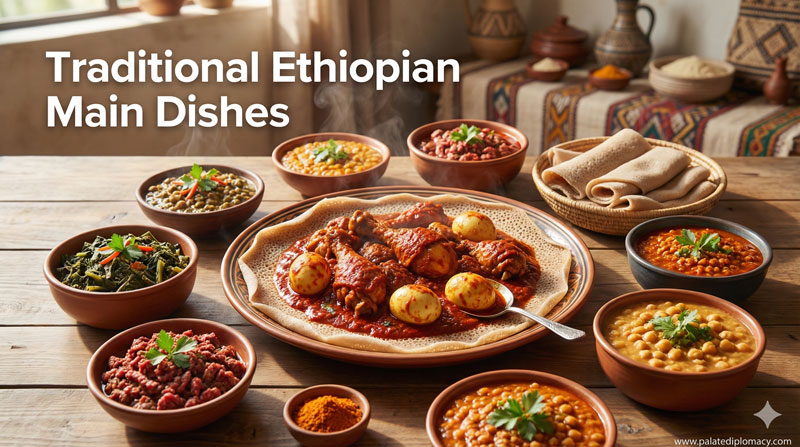
Tibs means “bits” or “pieces” in Amharic. It is a dish of sautéed meat, most often beef or lamb, and sometimes chicken or goat. Onions, garlic, and peppers form a lively base. Spices such as berbere and sometimes mitmita bring warmth and bite. The meat stays tender and juicy, highlighted by a glossy coating of oil or clarified butter. Tibs is usually served on a hot skillet, with injera on the side or laid beneath as a soft bed for scooping.
The Flavor and Technique Behind Tibs
The magic starts with a hot pan. The sizzle signals flavor formation. You build the base with onions, garlic, and peppers until they glow and perfume the room. Then you add the meat, searing it quickly to seal in juices. Spices bloom in the heat, releasing smoky, peppery notes. A dash of salt, and sometimes a touch of niter kibbeh, enriches the dish with a buttery depth. The result is a balanced harmony of savory, spicy, and slightly tangy layers that shine when paired with bread.
Cultural Value and Place at the Table
Tibs is more than a meal; it is a social event. The dish invites sharing, conversation, and warmth. Families gather around one pan or one platter, passing pieces of meat and injera from hand to hand. The aroma creates anticipation and comfort, strengthening bonds at the table. Tibs often appears during gatherings, holidays, or a simple weekend dinner, turning any meal into a moment of communal enjoyment.
How to Enjoy Tibs Like a Local
- Start with the bread. Tear a piece of injera to use as a utensil.
- Scoop meat and sauce together. The bread soaks up the flavors while keeping the texture enjoyable.
- Take small bites. Let the spices bloom on the palate, then refresh with a bite of injera.
- Notice the balance. If the dish feels spicy, add a little more injera to mellow the heat.
- Pair with a light salad or fresh tomato relish if available. The contrast brightens the plate.
- Finish with another round of scooping and sharing. The joy is in the communal experience as well as the flavor.
Etiquette and Serving Style
In many homes, tibs is a shared dish placed in the center of the table. Use injera to scoop and wrap pieces of meat. Eat with the right hand and offer bites to others as a sign of hospitality. Keep portions coordinated with the pace of the group. A calm, mindful pace lets everyone enjoy the sauce, textures, and aroma. Clean up gently by returning scraps to the platter and keeping the table orderly.
Regional Variations Within Ethiopian Cuisine
Across regions, tibs adapts to local tastes. Some cooks favor a brisk, deeply caramelized finish, while others lean toward a lighter, fresher sheen with more onion. The spice mix may shift between berbere-forward blends and milder seasonings, depending on local preferences. Protein choices also vary, from beef and lamb to chicken or goat. Each variation preserves the core idea: a fast, flavorful sauté that shines with injera.
Pairings and Sides That Elevate Tibs
Injera is the natural partner, framing tibs with its tangy softness. A bright tomato salad or fresh cucumber salad complements the richness. A simple lentil or chickpea side can add texture and balance. For drinks, a cool, lightly carbonated beverage or a mild tea can keep the palate fresh between bites. The goal is to maintain harmony between spice, fat, and acidity.
Where to Find Tibs Today
Tibs can be found in many Ethiopian restaurants and in homes during gatherings. Look for a hot, aromatic skillet on the table, with injera and side dishes arranged for shared tasting. In markets and cafes, tibs is often offered with different meat options and spice levels. When you order, you can ask for a level of heat and a preferred meat type to match your taste.
Final Thoughts
Tibs embodies hospitality, skill, and celebration in a single dish. Its sizzle, color, and aroma invite you to slow down and savor. By enjoying tibs Like a local, you connect with a tradition that values togetherness as much as flavor. This dish stands as a delightful bridge between family meals and festive moments, a testament to the beauty of simple, well-made food.