
Introduction
Tibs is a bright center of Ethiopian dining, where meat sizzles with onions, peppers, and warm spices. This guide celebrates tibs for its cultural value and culinary significance. It is more than a dish; it is a way of gathering, sharing, and savoring everyday moments. Read on to discover how to enjoy tibs Like a local, with respect for the flavors, textures, and traditions that make it special.
What Tibs Is
Tibs is a sautéed meat dish. Diced Beef, lamb, or chicken is at the heart, joined by onions, peppers, and sometimes tomatoes. The spice mix adds depth and heat, often featuring berbere or mitmita. A spoonful of niter kibbeh, a spiced clarified butter, can add a fragrant richness. The result is a glossy, bubbling pan of savory, peppery goodness. Tibs shines in both simple and festive meals, reflecting everyday cooking and shared taste.
The Craft: Key Ingredients and Techniques
Fresh ingredients matter. Choose good-cut meat, crisp vegetables, and bright spices. The technique is quick and precise: heat, then toss the ingredients until the meat is browned and the vegetables glow. Stir in aromatics like garlic and ginger for warmth. Finish with a touch of butter or a drizzle of oil to enrich the sauce. The goal is balance: savory meat, sweet onions, peppery spice, and a glossy sheen that invites a second bite.
Flavor and Texture
Tibs offers a harmony of flavors. The meat is tender and deeply seasoned, while onions provide sweetness that deepens with cooking. Peppers add a gentle bite and color. Spices bring a bright, earthy warmth that lingers pleasantly. The texture contrasts keep the dish lively: crisp edges from sautéed vegetables and soft, savoury meat throughout. This combination makes tibs inviting, comforting, and memorable.
How to Enjoy Tibs Like a Local
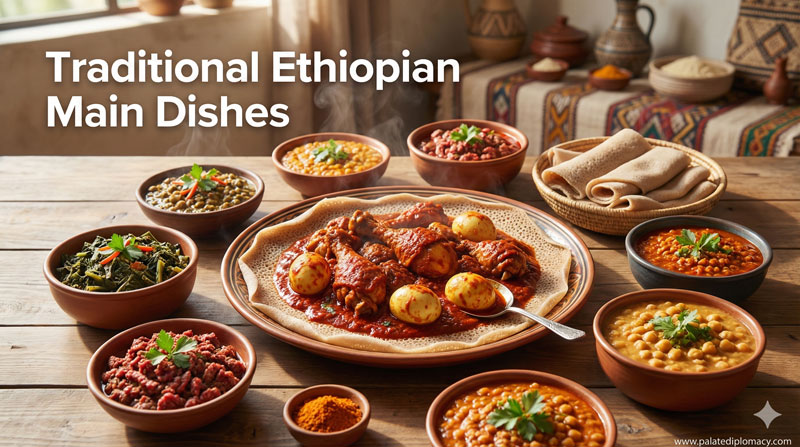
The classic pairing is injera, the sour flatbread that serves as both plate and utensil. Tear a piece of injera, scoop a portion of tibs, and wrap it with more bread for a bite-sized embrace of flavors. Eat with the hands in a relaxed, communal setting. The joy comes from sharing, slow savoring, and noticing how the spices bloom as the dish cools slightly. A small amount of sauce on the edge of injera often signals the perfect balance—neither dry nor overly saucy.
Regional Variations
Tibs adapts to local tastes while keeping its core spirit. Proteins vary from beef to lamb or chicken, with vegetarian versions featuring mushrooms or mixed vegetables. Spice levels range from mild to bold, depending on the cook’s preference and the available berbere or mitmita blends. Garnishes like fresh herbs or a squeeze of lemon can brighten the plate. The result is a family of dishes united by technique and the joy of sharing.
Etiquette and Sharing
In many households, tibs is a social dish served on a single platter. Guests gather around and use injera to take portions, avoiding forks or spoons. This practice fosters conversation, warmth, and a sense of togetherness. Taking modest portions and offering seconds is a friendly gesture that keeps the meal flowing. Clear, calm friends and family surroundings make the experience even more special.
Pairings and Beverages
After tibs, many enjoy a cup of strong Ethiopian coffee or a hot tea. Tej, a honey-wine, or a light beer can also complement the meal. The focus remains on balance: beverages should refresh without overpowering the spice and savor of tibs. The overall mood is relaxed and welcoming, inviting conversation and laughter.
Quick Tips for Home C cooks
- Start with a hot pan to sear the meat quickly.
- Use niter kibbeh if you can; it adds depth and aroma.
- Keep onions crisp by adding them early but not overcooking.
- Adjust spice with berbere or mitmita to taste.
- Serve immediately with warm injera for best texture and flavor.
Conclusion
Tibs embodies the warmth of Ethiopian cooking: a dish that invites sharing, respects tradition, and delights the palate. By understanding its ingredients, technique, and place at the table, you can enjoy tibs with the same local appreciation that enriches every meal. Embrace the aroma, savor the texture, and celebrate the beautiful culture woven into every bite.