
How Tibs Became Popular in Ethiopian Cuisine
Tibs sits at the heart of Ethiopian dining. It features bite-sized pieces of meat, usually beef or lamb, seared with onions, peppers, and spices. The sizzle and aroma invite people to gather. Over the years, tibs moved from a common home dish to a favorite on family tables and in eateries. Its popularity grows with its versatility and warmth.
Origins and Appeal
In Ethiopian kitchens, cooks begin with a hot pan and fat. They add onions and garlic, then the meat, allowing juices to concentrate. Peppers and tomatoes join in, followed by berbere or other spices. The dish cooks quickly, preserving color and juiciness. Because it can use different cuts and ingredients, tibs feels familiar to many cooks and eaters.
The Cooking Technique
Chefs sear meat in ghee or oil until it develops a rich color. They add onions and peppers, then garlic and tomatoes. Spices such as berbere or mitmita wake the dish with warmth. The sauce is light, so the meat stays tender and juicy. The key is timing: meat browns quickly, then rests as flavors bloom.
Flavor and Texture
Tibs offers a balance of savory, smoky, and bright notes. The meat is browned on the outside and tender inside. Onions caramelize, adding sweetness. Peppers bring color and a gentle bite. The result is a dish with depth that feels comforting and lively at the same time.
Cultural Place in Ethiopian Cuisine
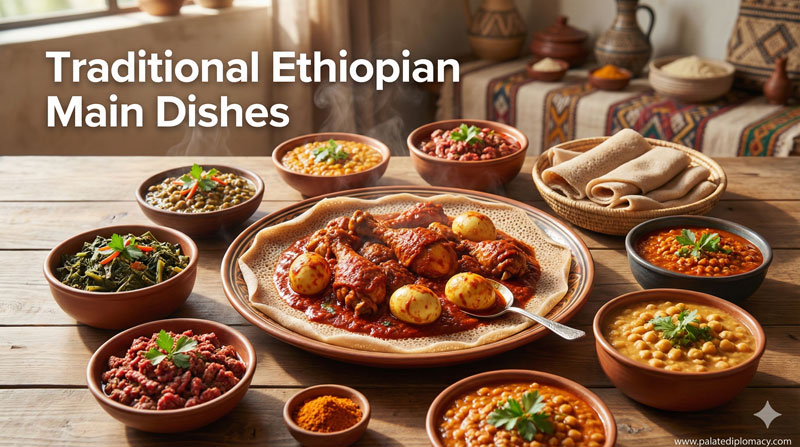
Tibs is a dish for gatherings. It is often shared on a single injera-lined platter, inviting everyone to scoop portions. The act of serving tibs demonstrates hospitality, care, and community. It fits festive meals, family dinners, and everyday cooking, acting as a bridge between generations. The dish shows how simple ingredients can become a signature experience.
Modern Popularity and Variations
Today, tibs appears in homes, markets, and restaurants. Chefs experiment with different meats, from beef to lamb and even chicken. They vary spice levels and add vegetables such as peppers, carrots, or mushrooms. Some cooks finish the dish with a touch of nutty butter to deepen aroma. This flexibility keeps tibs fresh while staying true to its roots.
Serving and Pairings
Traditionally, tibs is served with injera. The injera acts as both plate and utensil. People scoop tibs with pieces of injera. A simple tomato-onion salad adds freshness. A cup of strong Ethiopian coffee or tej can pair well after the meal. The shared presentation reinforces the culture of togetherness.
Closing Thoughts
Tibs embodies warmth, flavor, and community. Its rise in popularity reflects how Ethiopian cooks honor tradition while inviting new ideas. The dish remains a shining example of how a simple cooking method can carry deep cultural value and culinary significance.