
How Tibs Became Popular in Ethiopian Cuisine
Tibs has a warm, welcoming glow that invites you to the table. It blends aroma, texture, and friendly flavors in a way that feels instantly inviting. In homes and small eateries, tibs signals care and attentiveness. It is a dish that explains how Ethiopian Cuisine celebrates shared meals, skill, and joy. This article explores how tibs grew in popularity by highlighting its cultural value and culinary significance.
What Tibs Is
Tibs means sautéed meat, often cut into small pieces and cooked with onions, garlic, and peppers. The dish can use beef, lamb, chicken, or venison. It rests on a base of clarified butter or oil, which adds a rich, silky gloss. Spices such as berbere and mitmita give warmth and brightness. The meat browns quickly, then mingles with vegetables, herbs, and sometimes a splash of stock. Served with injera, tibs becomes a colorful, flavorful centerpiece on the shared tray.
The Sizzle and Spice: Techniques
A hot skillet or pan is the heart of tibs. High heat seals the meat, creating caramel notes and a savory crust. This quick searing keeps the meat juicy inside. Onions soften and perfume the oil, while peppers add color and crisp texture. Finish with a pat of niter kibbeh, a spiced clarified butter, to deepen the aroma. The result is a bright, glossy dish whose scent signals generosity and welcome.
The Role of Tibs in Social Meals
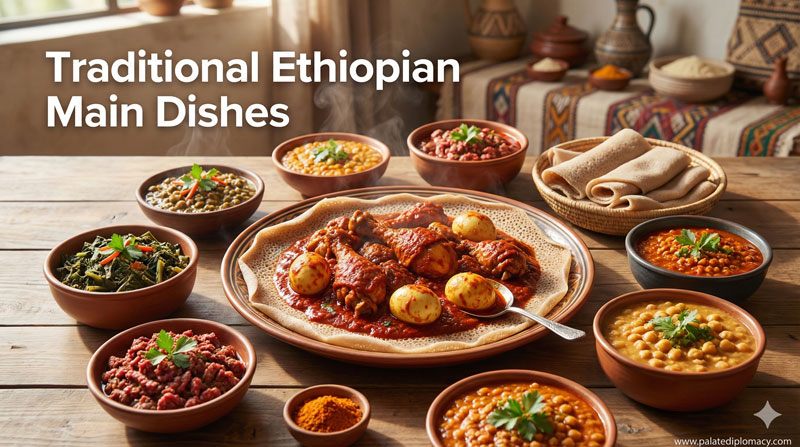
Tibs shines when people gather around a communal platter of injera. Diners tear off pieces of injera to scoop up bites of tibs and vegetables. The shared service creates a rhythm of conversation and laughter. Tibs often marks daily meals as well as special occasions. It embodies a kitchen’s care and a family’s hospitality, inviting everyone to share in the flavors of the moment.
Regional Variations and Personal Touches
Across households and kitchens, tibs adapts to taste and season. Some cooks use lighter spices for a milder version; others embrace a spicier kick with extra berbere. The choice of meat also guides brightness and texture. For a slower simmer, some cooks add a touch of stock and finish with fresh herbs. Regardless of the variation, tibs preserves a spirit of simplicity, quality ingredients, and good company.
Plating, Aroma, and the Table
The visual warmth of tibs comes from browned meat, glossy onions, and vibrant peppers. Its aroma blends caramel richness with spice, inviting everyone to the table. The dish creates a lively centerpiece on injera. The balance of texture—the crisp edges of meat, soft onions, and tender peppers—offers a satisfying bite with each scoop.
Ingredients, Seasonality, and Freshness
Quality ingredients elevate tibs. Fresh meat, sweet onions, and ripe peppers drive the flavor. Garlic and ginger add depth, while spices provide warmth and brightness. Seasonal greens or herbs can brighten the dish without overpowering it. In short, tibs thrives on freshness, balance, and careful seasoning.
Home Cooking Tips for Tibs Lovers
- Use a very hot pan to sear the meat quickly.
- Add onions early to build a rich sweetness.
- Balance heat with berbere and mitmita to taste.
- Finish with a small amount of niter kibbeh for depth.
- Serve immediately on injera to capture the full experience.
- Adjust vegetables to your preference; peppers, mushrooms, and tomatoes all work well.
A Gentle Conclusion
Tibs is more than a recipe; it is a thread in the fabric of Ethiopian dining culture. It celebrates hospitality, craft, and togetherness. The dish’s popularity comes from its ability to combine speed, flavor, and warmth into a single, memorable meal. When tibs graces the table, it invites conversation, connection, and appreciation for the flavors that define Ethiopian cuisine.