
The Story Behind Tibs: A Favorite Ethiopian Food
Tibs is a beloved Ethiopian dish that warms the table with sizzling meat, onions, and spices. The name comes from the Amharic word for pieces or bits, reflecting how the dish is built from bite-sized ingredients. It shines in homes and at gatherings, where the pan’s fragrance signals a welcoming meal. Tibs invites conversation, laughter, and slow, joyful eating around the shared plate.
The Ingredients That Sing
The core of tibs is meat, usually beef or lamb, cut into small, even pieces. Onions picture a sweet, golden base, while garlic adds depth. Peppers bring color and a gentle heat, often balanced by tomatoes or tomato paste. Spice blends matter: a warm berbere mix or a touch of mitmita can lift the aroma. A spoonful of niter kibbeh, a spiced clarified butter, carries the dish with a fragrant, luxurious note. Parsley or cilantro finishes the color and freshness.
Cooking as a Cultural Tradition
Tibs comes alive in a hot skillet, where the meat sears and the vegetables soften. The cooking rhythm is steady and intimate, often done by a home cook or guest who wants to share. The dish is served hot, usually on a broad platter, so everyone can gather around. When tibs arrives, the room settles into a relaxed, celebratory mood. The sizzling sound itself becomes part of the moment, inviting careful bites and shared enjoyment.
Regional Flavors and Variations
Home cooks tailor tibs to their pantry and taste. Some prefer a saucier version with extra tomatoes; others keep it drier and more caramelized. Mild versions lean on gentler spices, while bold blends highlight berbere’s complexity. You may find tibs with mushrooms, zucchini, or other seasonal vegetables for more texture and color. The beauty lies in how a single dish can reflect a family’s traditions and the day’s ingredients.
Serving, Etiquette, and Pairings
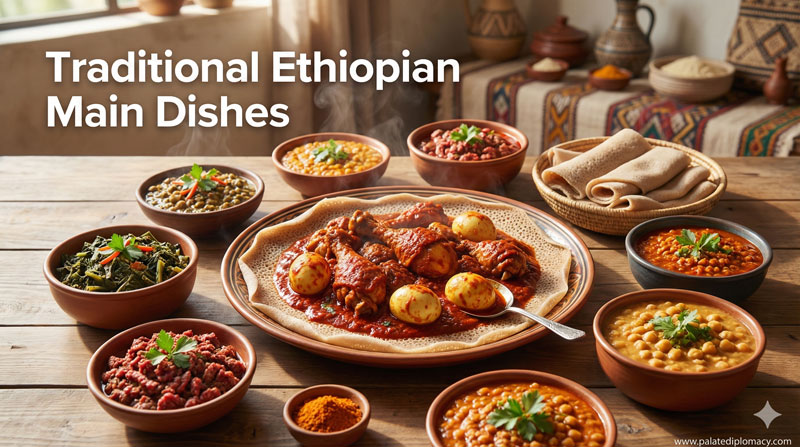
In Ethiopian meals, tibs is often presented with injera, the soft, sour flatbread that doubles as a utensil. Diners tear a piece of injera and use it to scoop up bites of tibs, creating a tactile, shared experience. A small pitcher of beverage—tea, coffee, or a light juice—complements the meal well. The focus stays on generosity, conversation, and savoring each bite rather than speed.
A Simple Way to Bring Tibs Home
- Choose bite-sized meat and a handful of onions and peppers.
- Sauté in a hot skillet with a spoon of niter kibbeh or oil.
- Add garlic, spices, and a touch of tomato for color.
- Toss until the meat is browned and the flavors mingle.
- Serve immediately with injera, and enjoy the warmth of the moment.
The Beauty of Tibs in Ethiopian Food Culture
Tibs embodies hospitality and daily delight. It blends simple ingredients with careful technique to create a dish that feels both familiar and festive. Its cultural value rests in how it brings people together to share a meal, celebrate flavors, and honor tradition. Tibs is more than a recipe; it is a living story told in aroma, color, and conversation around the table.