
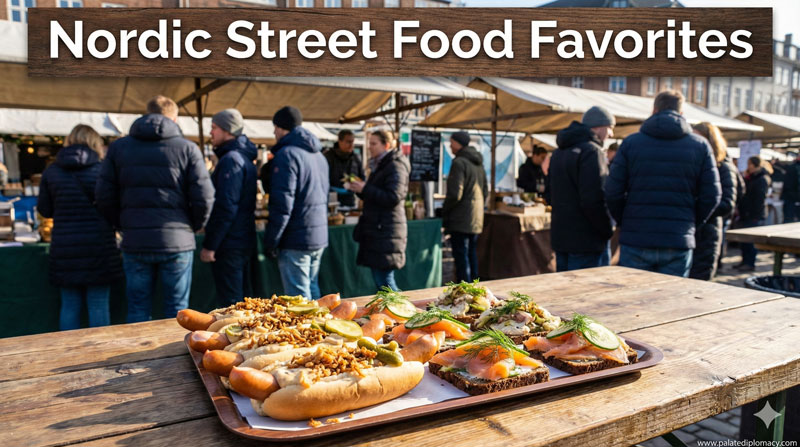
Open-faced sandwiches hold a special place in Nordic kitchens. They symbolize a way of eating that values simplicity, seasonality, and care. This post explores the top reasons Nordic locals love open-faced sandwiches, focusing on cultural value and culinary significance. The aim is to illuminate how a humble plate can reflect place, tradition, and everyday joy.
Bread as a Base: Rye, Texture, and Heritage
The bread matters as much as the toppings. In Nordic homes, rye is a treasured foundation. Its dense, moist crumb holds toppings without collapsing. A touch of cultured butter adds a silky mouthfeel and a hint of sweetness. The loaf carries history in its flavor, a reminder of long baking traditions. When someone bites into a slice, they taste resilience, craft, and a sense of home. The bread acts as a canvas that invites creativity while staying rooted in daily life.
Layering as an Art: Toppings That Speak of Place
Open-faced sandwiches become small works of edible art. A thin layer of creamy cheese, a bold slice of smoked fish, or a bright rag of pickled vegetables all tell a story about season and seasonality. Pickles, herbs like dill and chives, and citrus zest bring brightness. Think of smoked salmon with lemon, boiled egg with paprika, or herring with onions. Each topping choice adds texture and memory. The balance between salt, acidity, fat, and freshness shows careful thinking and respect for ingredients. The result is a plate that delights the eye as much as the palate.
The Daily Ritual: Lunch, Markets, and Shared Moments
For many Nordic households, lunch is a cherished daily ritual. Markets hum with vendors who offer seasonal ingredients, curating a sense of place. In homes and cafés, open-faced sandwiches appear as a thoughtful, quick, nourishing option. Preparing a plate becomes a moment of mindfulness—assembling, arranging, and appreciating color and aroma. Sharing these plates invites conversation, curiosity, and connection. The ritual is simple yet meaningful, turning a ordinary meal into a small ceremony of daily life.
Seasonal Symphony: Local Ingredients and Sustainability
Seasonality shapes the open-faced sandwich in Nordic cuisine. Spring brings fresh greens; summer adds tomatoes and herbs; autumn offers root vegetables and mushrooms; winter favors cured fish and hearty cheeses. Local farms and fisheries supply the ingredients, reinforcing a close relationship with the land and sea. This emphasis on local sources supports sustainability and freshness. Each season offers a new palette of toppings, a new opportunity to honor the land’s rhythms. The result is a flexible, responsible approach to eating that many households cherish.
Regional Expressions: Smørrebrød, Smörgås, and Pålegg
Across the Nordic region, open-faced sandwiches appear in varied forms, yet they share a common spirit. In Denmark, smørrebrød is a celebrated culinary tradition, often featuring artful arrangements and richly flavored sauces. In Sweden, smörgås is a familiar choice for breakfast or lunch, prized for its balance and accessibility. In Norway, the concept of pålegg covers a wide range of toppings, from fish to vegetables to spreads. These regional expressions highlight a shared love of bread, toppings, and careful presentation. The differences enrich the overall culture, showing how local ingredients and tastes shape the same fundamental idea.
Craft and Community: A Shared Tradition
The craft behind open-faced sandwiches lies in more than technique. It is a communal practice that blends skill, ingredient knowledge, and aesthetic sense. From the baker who perfects a rye loaf to the chef who selects toppings with seasonal precision, the process connects home kitchens with professional kitchens. Plating matters: the colors relate to the season, the shapes make room for bite-sized pleasures, and the arrangement invites lingering at the table. This practice fosters appreciation for craft, community, and daily nourishment.
Why It Resonates Today: A Gentle, Flavorful Perspective
Open-faced sandwiches endure because they feel honest and approachable. They celebrate local ingredients, support sustainable choices, and honor regional flavors without excess. They invite creativity while remaining practical for everyday life. They also provide a peaceful space for mindful eating—valuing texture, contrast, and balance. In a world full of sweeping trends, the Nordic open-faced sandwich remains a quiet, enduring expression of Food Culture.
If you are curious to explore this tradition yourself, start with a simple rye slice, a dab of butter, and a few seasonal toppings. Notice how the bread anchors the flavors, how each layer adds a distinct note, and how the plate looks once arranged with care. The beauty of open-faced sandwiches lies not in grandeur, but in everyday excellence—an everyday ritual that celebrates place, season, and shared meals.