
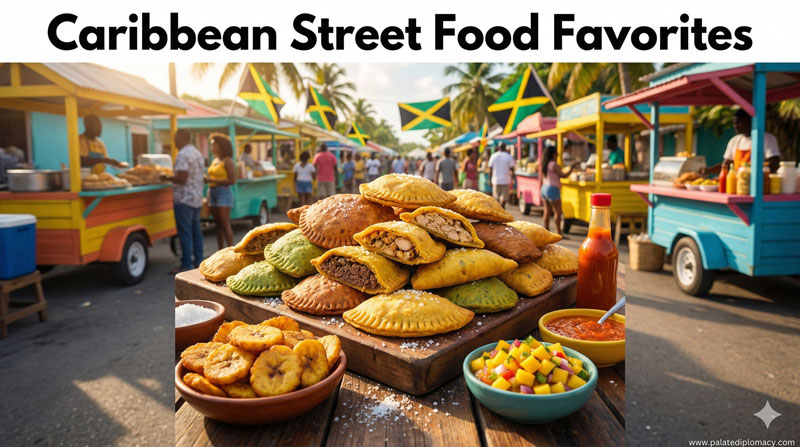
A Warm Welcome to Fried Plantains
Top Reasons Caribbean Locals Love Fried Plantains shows how a simple dish can glow in everyday meals. The platter is bright, comforting, and easy to share. It sits at the table with happiness, inviting both breakfast lovers and dinner guests. The dish balances sweetness and savoriness in a single, friendly bite. In this post, we explore its cultural value and culinary significance, with a focus on how it enriches Caribbean Food Culture.
The Humble Ingredient, Rich Possibilities
Plantains are the star, and they come in shades of green and yellow. Green plantains bring a starchy bite, while ripe plantains offer natural sweetness. Both kinds suit frying, and both travel well from kitchen to plate. The fruit’s sturdy texture makes it ideal for a quick sizzle in hot oil. This versatility matters to Caribbean cooks, who pair fried plantains with many flavors and textures.
A Technique That Shines
We see skill in the sizzle and the timing. Slice the plantains evenly for uniform browning. Use enough oil to let the slices float a little. Fry over moderate heat until the edges turn golden and crisp. Turn once to keep both sides even. The result is a soft interior with a crisp, light crust. A careful technique elevates the dish from simple to memorable.
A Versatile Companion on the Plate
Fried plantains pair beautifully with seafood, beans, or stew. They temper strong spices with gentle sweetness. They also rise to breakfast, draped with a touch of salt or a light dusting of sugar for balance. In meals across the region, fried plantains act as a reliable side, a snack, or a sharing plate. This flexibility makes them a staple in many kitchens.
The Social Kitchen: Shared Moments and Family Traditions
In Caribbean homes, the pan often warms as family gathers. Residents pass down tips for perfect browning and store a few slices for later. The dish invites conversation and a shared pace in cooking. A plate of fried plantains can spark a smile and a sense of belonging at the table. These moments create a living culture around a simple food.
Regional Flavors and Personal Touches
Across the Caribbean, cooks put their own stamp on fried plantains. Some dust with a pinch of salt and lime zest. Others pair the fruit with garlic or a light chili touch. In Jamaica, you might taste a hint of nutmeg; in the Dominican Republic, a touch of sugar can gild the surface. In Puerto Rico and Trinidad, the same method yields subtly different aromas. The shared method, enriched by local spices, makes each version feel like a familiar friend with a new accent.
The Culinary Significance: Texture, Aroma, and Memory
Texture sings in fried plantains: crisp edges, a tender center, and a gentle sweetness. The aroma invites memory of sunny markets and home kitchens. Each bite reflects careful heat, bright fruit, and the comfort of a well-loved recipe. The dish embodies balance—soft and crisp, sweet and savory—two worlds in one bite. This balance is at the heart of Caribbean cooking.
Tips for Home Cooks: Keeping the Tradition Alive
- Choose ripeness that matches your preferred sweetness.
- Slice evenly for uniform browning.
- Maintain steady oil heat to avoid soggy bits.
- Serve warm for the best texture and aroma.
- Pair with beans, fish, or fresh salsa to highlight contrasts.
In Closing: Celebrating a Timeless Favorite
Fried plantains are more than a quick snack; they are a celebration of everyday life in Caribbean kitchens. They welcome people, harmonize flavors, and carry a quiet pride in technique and taste. By honoring their place at the table, we honor the culture that makes Caribbean meals so inviting and enduring.