
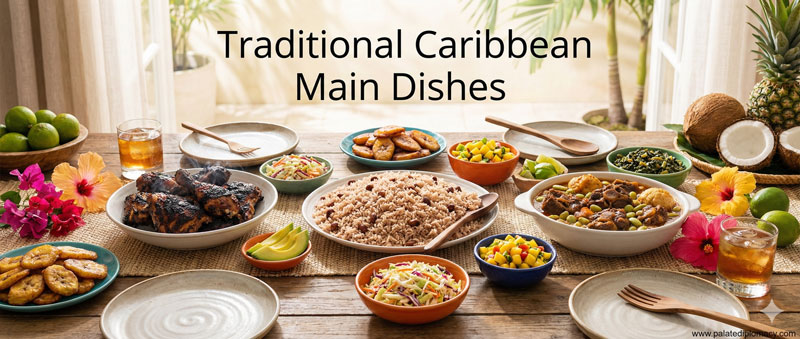
A Rich Culinary Tradition
Oxtail Stew is a beloved dish in many Caribbean kitchens. Top Reasons Caribbean Locals Love Oxtail Stew shows up on family tables, market stalls, and friendly gatherings. It blends tradition with warmth. The meat comes from the tail, and it becomes tender and glossy in a long simmer. Locals know this dish for its comforting aroma and its ability to bring people together.
Flavor and Technique
The magic begins with browning the oxtail. This step adds depth and color. Next, aromatics join the pot: onions, garlic, bell pepper, and scallions. Thyme and allspice berries perfume the air as the flavors blend. A touch of tomato or tomato paste often enriches the sauce. Carrots and celery may join in for sweetness and body. Finally, a keen mix of spices, stock, and a slow simmer release the oxtail’s rich gelatin. The result is a thick, glossy sauce that clings to the meat. Some cooks finish with a hint of lime or a splash of vinegar to brighten the finish. The dish can be cooked slowly in a heavy pot or quickened with a pressure cooker. Either way, patience yields soft meat and a lush sauce.
Social and Cultural Significance
This stew is more than a meal; it is a gathering. Families plan the cooking together, sharing duties from trimming meat to stirring the pot. The aroma travels through the house and invites conversation. Friends drop by to taste the evolving flavors, and neighbors offer tips or small additions. The dish often marks a celebration or a weekend ritual. In every home, the recipe carries a story—an echo of meals shared, lessons learned, and flavors passed down. Oxtail stew also travels beyond the home, through markets and small eateries, where vibrant aromas lure curious tasters and newcomers. The dish stands as a tribute to patience, skill, and love of good food.
Regional Variations Across the Caribbean
Across the Caribbean, oxtail stew varies in small, meaningful ways. In Jamaica, pepper and allspice give a bright, lively kick. In Barbados or Antigua, mild heat and a deeper root flavor may take the lead. In Trinidad and Tobago, cooks often add extra vegetables and a richer gravy, letting the dish show a bold heartiness. Common threads run through all versions: a tender oxtail, a savory, well-seasoned sauce, and a comforting finish. The dish adapts to available ingredients, yet retains its essence. The result is a family favorite that travels well from kitchen to table and right to the heart of social meals.
Pairings and Serving Traditions
Oxtail stew shines with simple side companions. Rice and peas or white rice balance the saucy richness. Dumplings or boiled yams add a soft, starchy counterpoint. A bright green seasoning or fresh herbs provide a fresh lift. A squeeze of lime can brighten the plate just before serving. Across kitchens, the ritual remains steady: ladle the stew, place the sides, and share a warm moment as everyone gathers.
Oxtail Stew at Home: A Friendly Guide
Start with quality oxtail and a sturdy pot. Brown the pieces well for color and flavor. Add aromatics, then liquids, and let the mixture simmer gently. Watch the heat and stir as needed to prevent sticking. If time is short, a pressure cooker speeds up the process without sacrificing tenderness. Refrigerate leftovers to allow flavors to mature, then reheat slowly to preserve texture. The dish rewards patience and a playful palate.
A Gentle Conclusion
Top Reasons Caribbean Locals Love Oxtail Stew lie in the dish’s generosity. It offers depth of flavor, a sense of place, and a steady, welcoming presence at the table. From market stalls to home kitchens, the stew stands as a flavorful testament to regional cooking, shared meals, and the simple joy of good food prepared with care.