
Top Reasons Ethiopians Love Doro Wat
Doro wat is a dish that welcomes the senses. In Ethiopian kitchens, it often sits at the center of a shared meal. The aroma travels through the room, inviting conversation and comfort. This post explores why Ethiopians hold doro wat dear. It focuses on cultural value and culinary significance, honorably and calmly.
Reason 1: Hospitality and Togetherness
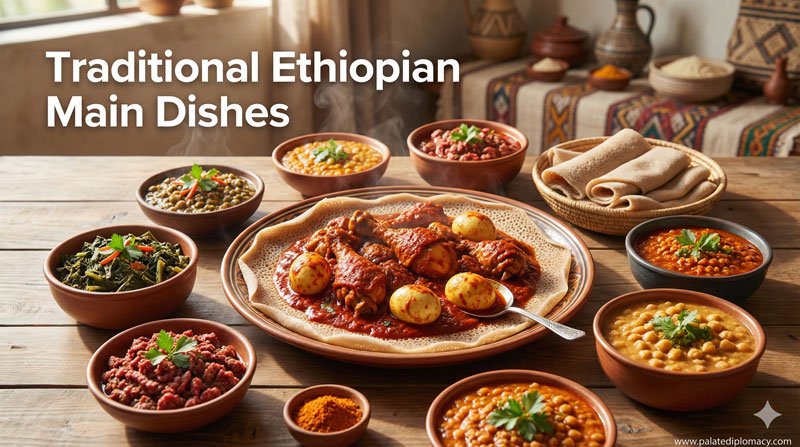
Food is a generous invitation. Doro wat strengthens that invitation. Families gather around injera on a large platter. People scoop the sauce with the bread, turning a meal into an experience. The act of sharing creates a bridge between generations. First, the youngest learns to balance heat and flavor. Next, elders offer tips on timing and patience. In this cycle, doro wat becomes a daily teacher of hospitality.
Reason 2: A Symphony of Aromas
The kitchen fills with layered scents. Sweet onions soften slowly, then melt into a rich base. Garlic and ginger wake the palette. Berbere adds warmth and complexity, with peppery, smoky notes. Niter kibbeh brings a butter-like richness, carrying spices softly. These aromas tell a story of careful preparation. Inhale, and you sense tradition, time, and care working together.
Reason 3: The Backbone of the Pantry: Key Ingredients
Doro wat rests on a few trustworthy ingredients. Onions form the foundation, cooked until they glaze and darken. Berbere provides the signature heat and depth. Garlic and ginger add brightness and lift. Niter kibbeh adds velvety richness that carries the spices. The chicken absorbs warmth from the simmer. Hard-boiled eggs, tucked into the sauce, add texture and texture contrasts. Together, these elements create a dish that feels both familiar and celebratory.
Reason 4: The Art of Patience: Slow Simmering
Patience is a virtue in every kitchen, and doro wat rewards it. First, the onion base is built slowly to unlock sweetness. Then spices bloom gently in the oil. Next, chicken braises until tender and juicy. Finally, the eggs soak up the sauce’s spice and tang. This deliberate time is a quiet ritual. It teaches calm focus and respect for the ingredients. The result is a sauce that clings to bread with a comforting bite.
Reason 5: Eggs as a Heartfelt Touch
The hard-boiled eggs are more than add-ins. They symbolize care and generosity. Eggs hold the sauce, soaking in flavors as they warm. They provide a pleasing contrast to the spicy, robust chicken. In every bite, they remind diners of nourishment shared with family and friends. This small touch elevates the dish from everyday to meaningful.
Reason 6: Injera, the Perfect Pair
Injera is more than a utensil here; it is a culinary partner. The sour, spongy bread soaks up the sauce beautifully. Tear a piece of injera and use it to scoop. The texture encourages slow, mindful eating. The balance of tang from injera with the heat of doro wat creates a harmonious bite. This pairing reinforces the idea that Ethiopian meals are communal, interconnected experiences.
Reason 7: Regional Touches and Personal Traditions
While the core remains steady, households add personal flourishes. Some cooks adjust spice levels to suit the crowd. A touch more garlic or ginger can brighten the sauce. Others include a hint of aromatics like turmeric or paprika for color. These variations reflect family memories and local tastes. They keep the dish fresh while honoring its roots. In this way, doro wat travels through home kitchens with continuity and evolution.
Reason 8: Feast Moments and Cultural Expression
Doro wat often shines during special days and gatherings. It signals celebration and warmth. The dish helps mark milestones with a sense of shared joy. Serving doro wat on a platter invites everyone to participate. Laughter and stories rise as people pass bowls and bread. The meal becomes a festival of flavor, memory, and belonging. In these moments, food becomes culture in motion.
Reason 9: A Dish of Respect and Care
Crafting doro wat is a labor of care. The cook tends to every stage, from browning onions to finishing the sauce. This attentiveness communicates respect for ingredients and guests. By honoring the process, cooks nurture community trust. The dish thus embodies a quiet, enduring ethic: to nourish well is to honor others.
Reason 10: A Window into Ethiopian Food Culture
Doro wat offers a lens into broader culinary traditions. It echoes lessons of balance, patience, and shared joy. The ingredients speak to the land and climate. The serving style reflects a philosophy of togetherness. For those who try it, the dish becomes a doorway to understanding Ethiopian food culture. It invites curiosity without pressure and invites respect for a long-standing kitchen wisdom.
Conclusion: An Invitation to Savor and Learn
Doro wat is more than a recipe. It is a living expression of care, community, and craft. The dish teaches patience, delights the senses, and strengthens bonds around the table. When you encounter doro wat, you taste history, warmth, and the joy of sharing. If you wish to explore Ethiopian Cuisine, start with doro wat and invite others to share the experience. The beauty of the dish lies not only in its heat or color but in its quiet power to bring people together.