
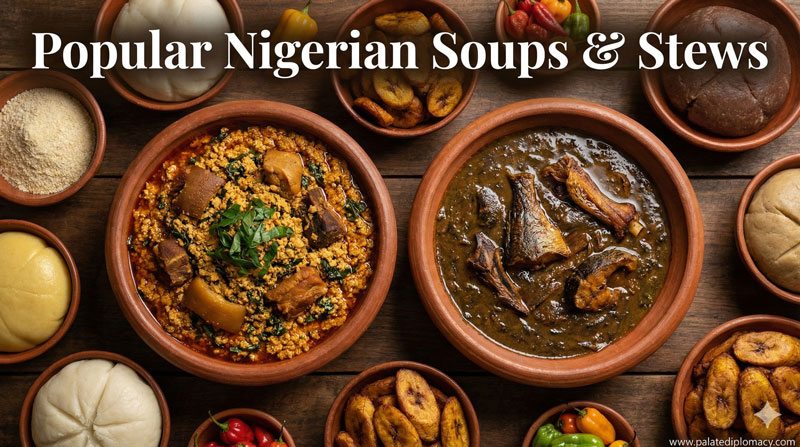
Introduction: Egusi Soup in Nigerian Kitchens
Egusi soup stands as a bright thread in many Nigerian kitchens. It blends humble seeds, vibrant greens, and rich proteins into a single, satisfying pot. People across the country savor its creamy texture, nutty depth, and the warmth it brings to a meal. This post explores why Nigerians love eating egusi soup, looking at its cultural value and culinary significance. It is a dish that invites sharing, conversation, and unforgettable comfort.
The Heart of the Dish: Core Ingredients and Texture
Egusi soup features ground melon seeds, palm oil, and a flavorful simmering base. The seeds give a creamy, slightly grainy body that carries the rest of the flavors. Palm oil adds a bright orange-gold sheen and a fragrant, earthy aroma. Meat such as beef, goat, or chicken, plus fish or stockfish, enrich the soup with protein. Crayfish and onions deepen the taste with a crisp, savory bite. Leafy greens—often ugu (pumpkin leaves) or spinach—give freshness and color, balancing the richness.
The technique matters as much as the ingredients. Seeds are ground to a paste and whisked into the hot broth, then simmered until the mixture thickens. Pepper and onions are added to lift the flavor, and the greens go in at the end to preserve their snap. The result is a thick, creamy soup that clings to starches and feels satisfying from first spoonful to last.
Cultural Value: Hospitality, Family, and Shared Moments
In Nigerian culture, egusi soup often centers hospitality. Preparing a generous pot signals care for guests and loved ones. A family meal becomes a ceremony of sorts, where everyone gathers around the table and shares stories as the aroma fills the room. The act of serving egusi soup demonstrates warmth and generosity. It invites conversation, laughter, and connection.
Families frequently pass down egusi recipes from one generation to the next. Grandparents may teach grandchildren how to balance the seeds, oil, and spices; parents show how to time the greens just right. This transmission strengthens family bonds and keeps culinary traditions alive. The dish travels beyond the kitchen to social events, where friends and neighbors share a pot and celebrate together. In every sense, egusi soup is a vessel for community and care.
Regional Variations: A Dish with Distinct Local Flavors
Across Nigeria, egusi soup wears many regional flavors. In Yoruba homes, you might find leaner meat paired with finely ground egusi that keeps a silky texture. Igbo kitchens often combine egusi with generous greens and a hearty portion of stockfish, yielding a robust, savory balance. In the northern regions, you may encounter variations that lean on different fish or dried meats and a touch more pepper for a brighter, sharper finish. Each version honors local ingredients and preferences, yet the core idea remains the same: a creamy, nutty, deeply comforting soup served with starch.
These variations reflect the ingenuity of cooks who adapt a beloved dish to their pantry and tastes. The versatility of egusi soup makes it a dependable centerpiece for everyday meals and special occasions alike.
Technique as Craft: From Grinding to Simmering
The culinary craft of egusi soup is a series of precise steps that many cooks perform with practiced ease. First, the egusi seeds are prepared—ground by hand or in a mill, then sometimes roasted lightly to coax extra depth from the seeds. The meat or fish is seasoned and browned to deepen flavor. Palm oil heats gently; onions and peppers join the pan, releasing a bright aroma.
Next comes the key incorporation: the egusi paste is blended with water to create a smooth or slightly textured slurry, then stirred into the simmering stock. The mixture thickens as it cooks, and the cook adjusts the heat to maintain a gentle bubble. Finally, greens are folded in just before serving to preserve their color and crispness. The result is a pot that tells the story of careful timing, balance, and the confidence that comes from practice.
Serving, Pairings, and Everyday Joy
Egusi soup shines when paired with traditional starches. Pounded yam and fufu offer a smooth, sturdy bite that scoops the soup with ease. Cassava-based garri provides a lighter alternative that absorbs the flavors beautifully. Boiled yam also works well for those who enjoy a simple, comforting combination.
Serving egusi soup is as much about hospitality as it is about taste. A generous serving signals welcome. A family setting, a shared meal with friends, or a celebratory gathering all become richer when egusi sits at the center. The dish invites guests to dip, scoop, and enjoy slowly, savoring the texture and aroma that fill the room.
A Dish of Deep Comfort and Everyday Pride
Egusi soup is not just food; it is a reflection of daily life and pride in Nigerian culinary artistry. The dish demonstrates how simple ingredients can become something extraordinary through careful preparation and warm intention. It celebrates abundance—the seeds that become a creamy base, the greens that add life, and the proteins that provide heartiness.
Through its flavors and rituals, egusi soup communicates welcome, resilience, and shared joy. It reminds us that cooking is an act of care, and eating together is a celebration of community. In this light, egusi soup earns a special place in Nigerian Food Culture.
Conclusion: A Timeless Centerpiece
Top Reasons Nigerians Love Eating Egusi Soup are grounded in flavor, family, and hospitality. The dish embodies the generosity that so many kitchens offer and the craft that cooks bring to the stove. Its creamy texture, nutty sweetness, and vibrant greens create a compelling experience that resonates in homes, markets, and gatherings alike.
If you seek a dish that speaks softly yet stays with you, egusi soup is a timeless choice. It invites sharing, honors tradition, and invites you to be part of a long-running culinary story. Whether served with fufu, pounded yam, or garri, egusi soup remains a warm, welcoming centerpiece—rewarding to make and a joy to taste.