
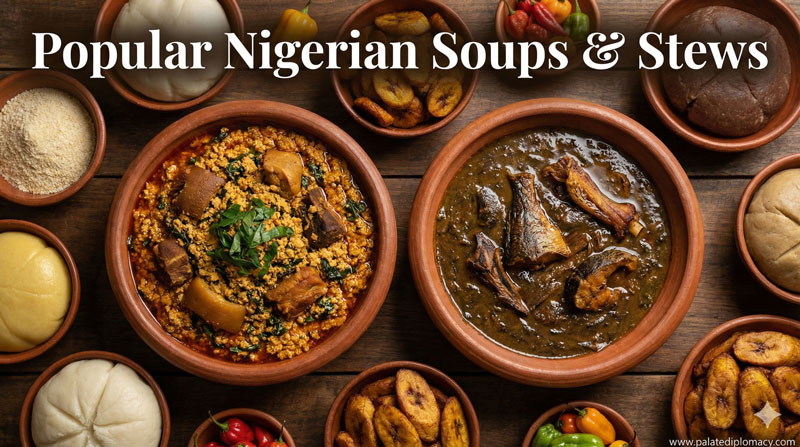
Top Reasons Nigerians Love Eating Egusi Soup
Egusi soup holds a special place on Nigerian tables. First, it delivers a comforting, robust flavor that many find instantly inviting. The nutty notes from ground melon seeds mingle with bright peppers and smooth palm oil, creating a balance that feels familiar and satisfying. Next, the dish is incredibly versatile. Chefs and home cooks adapt the mix with different meats, fish, or even plant-based proteins. In addition, leafy greens such as spinach, bitter leaf, or fluted pumpkin leaves brighten the pot and add texture. This adaptability keeps the dish lively in many kitchens.
Moreover, egusi soup carries a strong sense of hospitality. When a pot arrives at the table, friends and family gather, share stories, and savor every spoonful together. The act of serving and passing bowls becomes a small ritual that strengthens bonds. Finally, egusi soup is approachable for everyday meals and for special occasions. It fits into busy weeknights and into festive gatherings with equal grace. Its popularity springs from how naturally it fits into daily life while still shining on special days.
The Signature Flavor and Texture
Egusi soup offers a distinctive texture that many lovers seek. The ground melon seeds thicken the broth into a velvety, satisfying body. At the same time, the oil pools in pockets, adding gloss and warmth to each bite. Pepper brings brightness, while aromatics like onions and stock fish or dried fish add depth. The result is a depth of flavor that can feel both mellow and lively, depending on how you balance the spices. This signature profile helps the dish stand out in a lineup of soups.
Serving temperature also matters. A hot pot carries fragrance that rises with every stir. The steam carries those nutty, peppery scents to the table, inviting everyone to lean in and taste. In this way, egusi soup becomes a sensory welcome, signaling generosity and care in preparation.
Core Ingredients and Cooking Techniques
The foundation rests on ground melon seeds, known as egusi. The seeds are blended or pounded to a paste, then simmered with stock, meat, or fish. Palm oil provides color and a smooth mouthfeel. Water or broth loosens the mixture to the right consistency. Vegetables arrive toward the end or simmer gently with the pot so their flavors remain fresh.
Proteins are flexible. Beef, goat, chicken, or fish appear in many households. Some cooks add dried fish or stockfish for bursts of savory intensity. Seasonings vary, but a common crew includes onions, crayfish, and hot peppers. The greens are not mere garnish; they contribute bright bite and a contrasting texture.
Technique matters too. Some cooks blend the egusi paste smooth for a silkier finish; others prefer a chunkier paste for more bite. Slow simmering helps proteins tenderize and flavors to mingle. The kitchen becomes a place where patience yields depth, and where a simple pot reveals a careful balance of elements.
Regional Variations and Cultural Significance
Across Nigeria, egusi soup appears in many households with subtle regional touches. Yoruba families might favor a particular blend of spices or a preferred leafy partner. Igbo and Edo kitchens bring their own greens and proteins into the pot, enriching the dish with local favorites. Yet the core idea remains the same: a hearty, nutritious soup that brings people together.
These variations celebrate culinary creativity while honoring shared heritage. Families pass down tips for achieving the right thickness, The Best greens for their climate, and favorite accompanyings. In this way, egusi soup travels from stove to table as a living tradition, evolving gently with each generation.
Serving, Sides, and Shared Meals
Egusi soup shines when plated with a sturdy starch. Pounded yam, fufu, or garri are common companions that soak up the flavorful broth beautifully. The act of dipping and rolling a bite of starch into the soup creates a satisfying rhythm at the table. For many, sharing a bowl is as important as the taste itself.
From casual weeknights to bigger gatherings, egusi soup adapts to the occasion. A simple family dinner might feature a modest mix of greens and a few pieces of meat. A festive meal can include extra proteins, a wider selection of vegetables, and generous portions of starch. In every case, the dish remains a warm invitation to enjoy together.
A Dish for Everyday Elegance
Egusi soup embodies everyday elegance in Nigerian Food Culture. It demonstrates how a few high-quality ingredients can become something greater through care and timing. The dish rewards attention to detail—grind size, the pace of simmering, the balance of greens—to produce a pot that feels welcoming and complete.
People love egusi soup not only for flavor but for memory and meaning. It marks moments of celebration, but also comforts during ordinary days. In every spoonful, there is a connection to family, to home, and to the shared joy of cooking well. This is why egusi soup remains a beloved staple, a dish that speaks quietly of culture, skill, and heart.