
A Taste of Tradition: Why Nigerians Love Eating Fried Rice
Top Reasons Nigerians Love Eating Fried Rice goes beyond flavor. It is a dish that sits at The Heart of many kitchens. It greets guests with warmth and signals a welcoming home. The aroma lifts conversations, and the plate invites sharing. This fried rice stands as a symbol of hospitality, craft, and everyday joy.
The Craft Behind the Aroma
The magic begins with the rice. Cooks choose long-grain rice and parboil it to keep grains separate and fluffy. Then comes a careful stir-fry. Onions sizzle in oil, releasing a comforting sweetness. Garlic joins in, followed by peppers and a touch of tomato for depth. Cooks add curry powder and thyme for warmth, and a pinch of salt to balance the flavors. Palm oil or vegetable oil can set the color and mood of the dish. Some kitchens fold in scrambled eggs for protein and a satin-like texture. Meats like chicken, beef, or shrimp are common allies, added in just enough quantity to highlight the rice rather than overwhelm it. This sequence creates a dish that is cohesive, bright, and inviting.
This dish thrives on timing and balance. The heat should wake the aromatics, not scorch them. The rice is added gradually, so each grain remains separate. Sauces simmer briefly to coat, then finish with a gentle toss. The result is a fragrant, cohesive plate where each element supports the other. In this way, fried rice reveals the skill and care of the cook. It rewards attention with a clean, bright finish and a lingering aroma.
Color, Texture, and Presentation
Visual appeal matters as much as taste. Nigerian fried rice often wears a rich, appetizing red-amber hue from palm oil, especially in the red-fried-rice style. Carrots and peas introduce pops of color, while green onions or sliced scallions offer a fresh finish. The grains stay distinct, giving a pleasing bite and a sense of lightness. The texture celebrates contrast: tender rice, crisp-edged vegetables, and the soft fold of any added eggs or meats. A well-presented plate invites the eye before the first bite and sets the stage for shared dining.
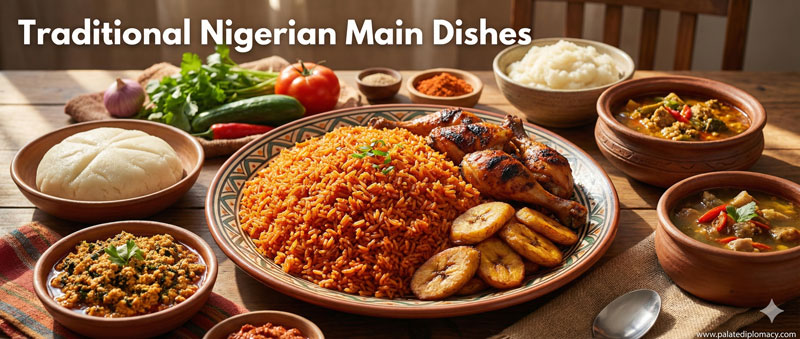
Presentation is also about the serving moment. Families place fried rice at the center of the table, surrounded by side dishes and proteins. The communal look of a well-made pan of fried rice signals a gathering, a celebration, or a comforting home meal. This visual cue reinforces the dish’s role in social dining and everyday life alike.
A Dish for Celebrations and Everyday Moments
Fried rice plays two complementary roles. On special days, it shines as a centerpiece. It accompanies fried plantains, grilled chicken, or turkey, turning a meal into a memorable event. The colors, aromas, and generous portions make celebrations feel warm and festive. At home, it serves as a reliable, comforting option that families return to after a busy day. It is adaptable: a simple weekday supper can become a satisfying feast when paired with a bright salad or a tangy sauce.
This versatility reflects a cultural preference for meals that are both satisfying and shareable. Nigerians often cook with others in mind, aiming for flavors that please a range of tastes. Fried rice meets this goal by allowing different protein choices, vegetable additions, and spice levels. It respects tradition while inviting personal touches, making it a flexible canvas for home cooks.
Regional Twists and Personal Touches
Across regions, fried rice develops distinct personality. In Lagos and the southern belt, cooks may emphasize a deeper palm-oil color and a pronounced aroma from curry and thyme. They might fold in small cubes of carrot, peas, and sometimes sweetcorn for a bright, restaurant-like finish. In other parts, cooks experiment with seafood, such as shrimp, to echo local tastes. Some households favor a chunkier fried rice with slightly more moisture, while others aim for drier grains that separate easily.
Personal touches flourish in every kitchen. A dash of bell pepper or a touch of green onion can become a signature. The choice of protein—chicken, beef, turkey, or shrimp—shapes the texture and savor. A finishing drizzle of hot pepper sauce or a squeeze of lime can brighten the dish just before serving. These variations highlight the creativity embedded in Nigerian home cooking and the pride people take in their family recipes.
Serving, Pairings, and the Social Table
Fried rice pairs with a range of accompaniments. Fried plantains add sweetness and a gentle contrast to the savory grains. Grilled chicken, peppered beef, or fish can stand alongside as hearty proteins. A simple tomato-based sauce or pepper sauce offers a lively counterpoint to the richness of the rice. The table becomes a stage for sharing stories, tasting notes, and new ideas for future batches.
In social settings, fried rice often represents care and conversation. The act of serving and passing dishes strengthens bonds and signals welcome. The aroma travels with guests as they gather, and the first bite becomes a moment of agreement: this is something beloved, well-made, and generously shared.
The Quiet Beauty of Nigerian Fried Rice
In the end, the appeal of Top Reasons Nigerians Love Eating Fried Rice rests on its quiet, enduring beauty. It is a dish that honors technique without being fussy. It is affordable enough for everyday meals, yet sophisticated enough to grace a festive table. It invites experimentation while preserving a recognizable, comforting core. It brings people together, offering both nourishment and a sense of belonging.
If you seek a dish that embodies warmth, skill, and cultural richness, fried rice stands as a clear choice. Its aroma carries memories, its texture pleases the palate, and its adaptability mirrors the creativity of Nigerian kitchens. It is more than a meal; it is a representation of hospitality, family, and the joy of shared food.