
Top Reasons Nigerians Love Eating Fried Rice
Fried rice holds a special place in Nigerian dining. It feels Like a warm invitation to the table. It blends technique with daily joy. Its color, aroma, and texture spark smiles and conversation.
Celebration on a Plate
This dish shines at celebrations. Families serve fried rice at birthdays, naming ceremonies, and weddings. A large pan feeds many with ease. The grains stay separate, and every forkful feels neat. The dish travels well to gatherings, church events, and market-day feasts. It signals hospitality and careful preparation.
A Colorful Canvas of Flavor
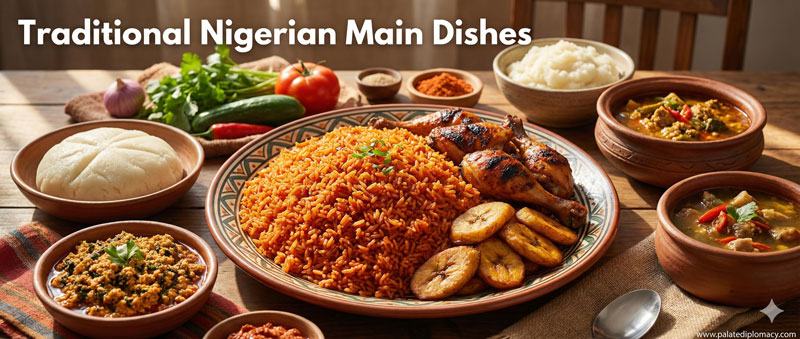
The plate bursts with color and aroma. Tomatoes and peppers create a glossy, red glaze that coats each grain. Carrots and peas add brightness and crunch. Palm oil gives a warm, nutty fragrance; many households swap in vegetable oil for a lighter finish. Spices like thyme, curry, garlic, and ginger deepen the taste. The result is a balanced mix of savory, sweet, and aromatic notes that linger pleasantly.
The Craft: How It Is Made
The method matters. Parboiled long-grain rice helps grains stay distinct after frying. Start with a base of sautéed onions, peppers, and minced garlic. Add a tomato base and simmer briefly. Fold in the rice and stir to coat evenly. Finish with a gentle steam until flavors meld. The goal is fluffy grains with individual texture, not mushy clumps. Some cooks add a touch of stock or water to control moisture. Others prefer extra caramelization for depth.
Versatility for Home and Event Menus
Fried rice welcomes many proteins. Chicken, shrimp, beef, or fish can be folded in or served on the side. It also adapts to vegetarian days with added vegetables. It pairs beautifully with fried plantains, a crisp salad, or coleslaw. Leftovers transform into quick, comforting meals for the next day. The dish is sturdy enough for street-food settings and flexible enough for home cooks.
A Social, Generous Dish
Hospitality shines in every serving. People gather around a shared pot or buffet line. The dish invites conversation, laughter, and a sense of welcome. It becomes a bridge between everyday meals and festive feasts. Friends often swap tips, share improvised ingredients, and celebrate small successes in the kitchen.
Memory and Craft: Passed Down Traditions
Many cooks pass tips from parent to child. A grandmother might teach the perfect onion sauté or how long to fry for the best aroma. The dish becomes memory and skill, traveling from kitchen to kitchen. Each family adds its own signature touch, preserving a living tradition. Regional tweaks—different peppers, extra vegetables, or a pinch of a local spice—keep the craft evolving.
Conclusion: The Heart of Nigerian Cuisine
The love for fried rice grows from nourishment, beauty, and community. It respects resources while celebrating color and flavor. It invites sharing and makes guests feel seen. In every bite, you sense the warmth of Nigerian Food Culture. This is why fried rice remains a cherished, timeless dish on Nigerian tables.