
Introduction: Top Reasons Nigerians Love Eating Fried Rice
Fried rice is a cherished staple in many Nigerian homes. It travels easily from the daily meal to celebratory occasions. This post highlights the Top Reasons Nigerians love eating fried rice, focusing on cultural value and culinary significance. The dish blends bright color, fragrant aroma, and satisfying texture. It welcomes a mix of ingredients and adapts to what is on hand. In essence, fried rice is both familiar and uplifting, a source of comfort and pride at the table.
A Feast for the Senses: Color, Aroma, and Texture
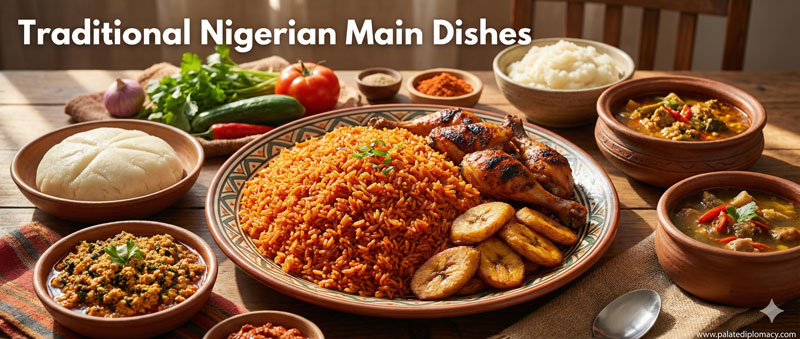
The plate often shines with a sunny hue from well-cooked rice and carrots. Green peas, peppers, and herbs introduce freshness and balance. The aroma comes from onions and spices sizzling in hot oil. Each bite offers a light, fluffy grain with edges kissed by a gentle fry. This combination pleases the senses and excites the palate. The texture matters too: grains separate cleanly, vegetables remain crisp, and occasional bites of protein add depth. The sensory appeal makes fried rice a memorable meal.
Practicality and Technique: How It Comes Together
Good fried rice starts with prepared, separated grains. Parboiling rice helps achieve that fluffy base. We then fry onions, garlic, and peppers for warmth and brightness. The rice goes in the pan and is stirred with care, so every grain takes a touch of heat without clumping. Vegetables join in, followed by proteins such as chicken, beef, or prawns. A light touch of seasoning—salts, spices, and stock flavor—rounds the dish. Finished well, the result is harmonious and inviting.
A Staple at Gatherings: Family, Friends, and Food Sharing
In many Nigerian homes, fried rice signals hospitality. It appears at birthdays, weddings, and community events, where large bowls feed many mouths. The dish invites sharing, conversation, and celebration. People gather around the table to enjoy the same plate, creating a sense of togetherness. Its generous portions make it ideal for feeding a crowd with warmth and grace. In this way, fried rice acts as a social glue, linking meals to memories.
Regional Flavors: Variations Across Nigeria
Across regions, cooks add their own touches. Some favor brighter peppers and extra vegetables for a crisp bite. Others use different spice blends or herbs to highlight local preferences. Protein choices vary as well, from lean chicken to tender beef or seafood. The result is a spectrum of fried rice styles, each reflecting regional tastes while holding the same core idea: a versatile, nourishing dish that adapts to seasons and kitchens. The shared technique remains a common thread, even as flavors diverge.
Leftovers Turned Gold: Everyday Resourcefulness
Fried rice shines as a practical dish. It makes good use of leftovers, turning yesterday’s grains into today’s star. This feature fits well with busy schedules, where quick meals are needed without sacrificing flavor. The adaptability extends to ingredients, too. A family can swap in what’s available, keeping the dish fresh and economical. Resourcefulness in the kitchen becomes a source of pride, and the result tastes thoughtfully prepared.
A Language of Hospitality and Joy
Beyond nourishment, fried rice communicates hospitality. Offering a generous serving says, “You are welcome here.” The dish invites people to sit, share stories, and enjoy a moment together. It bridges generations, too, as grandparents teach younger cooks the steps, and youngsters bring fresh ideas. This exchange adds to the cultural significance of fried rice, turning a simple plate into a memory-making ritual.
Conclusion: Celebrating the Heart of Nigerian Food Culture
Top reasons Nigerians love fried rice come down to more than flavor. The dish blends color, aroma, texture, practicality, and sociability into one meaningful meal. It is comfortable enough for everyday dinners and grand enough for special occasions. Its flexibility mirrors the spirit of Nigerian cooking: warm, inviting, and inventive. In embracing fried rice, families honor a timeless tradition that continues to evolve with taste and talent.