
Introduction: Why Open-Faced Sandwiches Matter in Nordic Kitchens
Open-faced sandwiches, or smørrebrød-inspired creations, sit at the heart of Nordic Food Culture. They blend simple rye bread with thoughtful toppings, turning a everyday bite into a small work of edible art. Locals value the balance of flavor, texture, and seasonality that this dish invites. Each bite can tell a story of local farms, coastal catches, and the rhythm of daily life. In Nordic kitchens, this dish is never just fuel—it is a moment to savor craft, color, and connection.
The Craft Behind Every Layer
The beauty of open-faced sandwiches rests on careful layering. A slice of sturdy, dark rye anchors the plate and offers a nutty backdrop. A light spread of butter or cream cheese prevents toppings from sinking in too deeply and adds a sheen of richness. Then comes the toppings: a bright pickle, a slice of soft cheese, a ribbon of fish, or a curl of cured meat. Each layer has a purpose, from texture to aroma to balance. Chefs and home cooks alike pay attention to scale, color, and proportion, so the plate invites the eye and the palate. This practice, passed through generations, turns a quick lunch into a mindful ritual.
Seasonality at the Core
Seasonality shapes every open-faced creation. In spring, fresh herbs and young vegetables add brightness. Summer brings cucumbers, radishes, and herbs that glow against hearty rye and creamy toppings. Autumn enriches the plate with mushrooms, root vegetables, and cured fish. Winter favors preserved ingredients and hearty spreads that still feel light when arranged with care. Nordic diners celebrate the cycle of the year by choosing toppings that reflect what’s abundant. The result is a dish that tastes of the moment, yet feels timeless.
A Cultural Ritual of Sharing
Open-faced sandwiches are often prepared with family and friends in mind. They invite conversation, because the toppings are easy to adjust for individual tastes. In café culture and home meals alike, the act of composing a plate becomes a social moment. People chat about the origins of ingredients, the technique behind a perfect spread, and the artistry of a balanced finish. This social aspect makes the dish more than nourishment—it becomes a way to connect, learn, and enjoy together.
The Visual Language of Plating
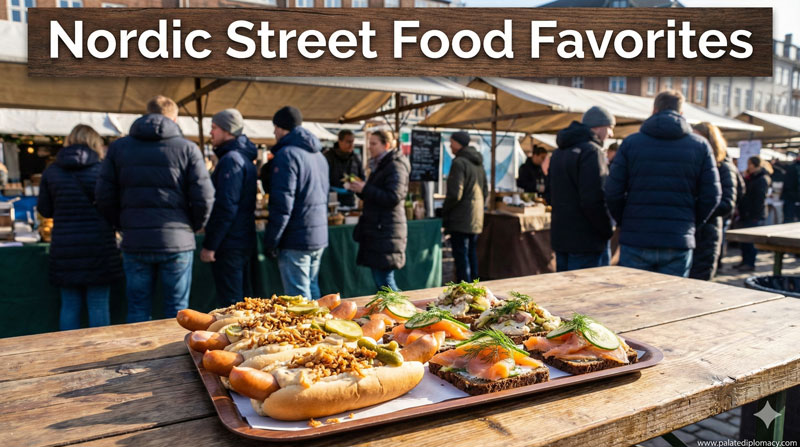
Color, texture, and arrangement speak before the first bite. A single plate can showcase a spectrum: pale cream cheese, emerald cucumbers, coral smoked salmon, and deep brown rye. Plating becomes a form of storytelling, guiding the eater through layers of flavor and aroma. Clean cuts, deliberate spacing, and thoughtful garnish elevate the meal. When presented well, open-faced sandwiches invite appreciation and conversation, turning a simple lunch into a small feast.
Regional Voices Across Nordic Countries
Across the Nordic region, open-faced sandwiches carry distinct flavors and techniques. In Denmark, the classic smørrebrød often features ornate toppings, rich sauces, and precise presentation. Sweden favors lighter, refreshing combinations with crisp bread and delicate herbs. Norway emphasizes seafood, pickled vegetables, and robust, smoky notes. Finland blends rye with forest mushrooms, fish, and creamy cheeses. Each country adds its own favorite toppings, yet all share a respect for quality ingredients and careful assembly. This regional variety celebrates a shared culinary language while honoring local pride.
Ingredients That Tell a Story
Local ingredients speak loudly in every bite. Rye bread anchors the dish with its hearty texture and nutty taste. Butter, cream cheese, and soft cheeses add velvety richness. Fish—salmon, herring, or shrimp—brings briny brightness, while cured meats offer savory depth. Fresh vegetables add crunch and color, and pickles provide a tang that brightens the plate. Dairy, fish, vegetables, and herbs all come together to tell a narrative of landscape, climate, and daily life. The dish thus becomes a reflection of community and place.
Pairings and Everyday Moments
Open-faced sandwiches pair beautifully with simple drinks and light sides. A crisp mineral water, a sparkling apple juice, or a mild coffee complements the flavors without overpowering them. The plates suit quick lunches at work, leisurely weekend brunches, or a cozy family meal. The simplicity of prep leaves room for creativity, while the respect for balance keeps the experience clean and satisfying. These plates fit naturally into the rhythms of Nordic days, from the early morning to the late afternoon.
Conclusion: A Quiet Celebration of Food Culture
Top Reasons Nordic locals love open-faced sandwiches all point to a shared appreciation for craft, seasonality, and community. The dish embodies how a simple loaf can become a canvas for seasonal produce, coastal bounty, and family tradition. It invites creativity without demanding complexity and invites every eater to slow down and notice the beauty of a well-balanced bite. In this way, open-faced sandwiches remain a cherished thread in the fabric of Nordic cuisine—protean, comforting, and endlessly expressive.