
Introduction
Top Reasons Nordic Locals Love Köttbullar. This dish sits at the heart of Nordic cuisine, valued for its warmth, simplicity, and sense of belonging. It is more than food; it is a quiet ritual that brings people together around the table. In this post, we explore the cultural value and culinary significance of Köttbullar, and How It still shapes daily life and shared meals across the Nordic region.
What Are Köttbullar?
Köttbullar are small meatballs made from a blend of ground beef and pork, lightly seasoned with onion, breadcrumbs soaked in milk, and a touch of egg. They brown in butter, then finish in a creamy sauce. The simplicity of the ingredients highlights regional dairy, bread, and farm-fresh meat. Each home can add its own gentle twist, but the core idea remains the same: modest ingredients, steady technique, satisfying results.
The Texture and Flavor
The appeal starts with texture. A crisp, golden crust contrasts with a tender interior. The meat carries a gentle sweetness from the onions and a mild savor from the fat. The sauce—often creamy and savory—binds the bites with a soft gloss. Lingonberry jam adds a bright, tart counterpoint. This balance of mild richness and fresh acidity makes Köttbullar both comforting and refreshing to the palate.
Cultural Significance in Nordic Homes
Across Nordic kitchens, Köttbullar symbolize everyday comfort and shared labor. Parents teach children to mix the filling, form the balls, and watch the pan. The dish travels through generations, preserving a sense of place in each bite. It is common on family menus, school lunches, and weekend dinners, especially during colder months when hearty meals feel especially nourishing. The act of cooking together strengthens family ties and passes on subtle cooking know-how from one generation to the next.
Everyday Rituals and Social Bonding
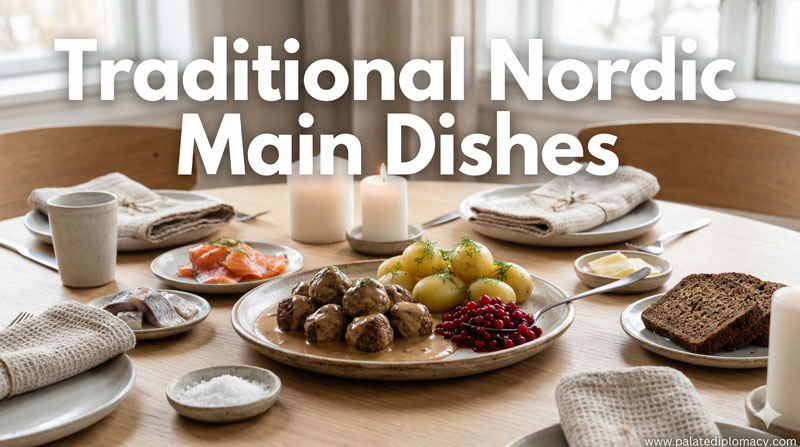
Mealtime becomes a small ceremony. The kitchen fills with the scent of browned butter and simmering sauce. Beside the plate, bowls of potatoes and a spoonful of lingonberry jam invite conversation. People share memories connected to the dish, from favorite tweaks to stories about harvests and farmers. These moments cultivate a quiet pride in regional foods and foster a sense of continuity that locals value.
Regional Variations Within the Nordics
While the dish is widely loved, the Nordic region offers nuanced twists. In one country, the meat ratio might tilt toward pork for a sweeter, fattier bite; in another, a touch of allspice or white pepper adds warmth. The sauce may lean creamier in some homes and lighter in others. Accompaniments vary too: mashed or boiled potatoes are common, while lingonberry jam remains a favorite universal pairing. These small differences showcase local harvests, dairy styles, and family traditions, while keeping the core experience recognizable.
Pairings and Serving Traditions
Traditionally, Köttbullar arrive with soft potatoes, a glossy cream sauce, and lingonberry jam. The jam offers a lively counterpoint to the meat’s richness. Fresh cucumber pickles or a simple sautéed mushroom side may appear on the plate. In many homes, a simple green salad provides brightness. The meal often ends with a polite moment of gratitude, a quiet reminder that good food travels from field to table through care and craft.
A Modern Twist, Yet Grounded in Heritage
Today, many cooks adapt Köttbullar for contemporary kitchens. Plant-based versions echo the same form and spirit, focusing on texture and balance rather than exact ingredients. Yet most retain the core idea: a small, well-balanced meatball paired with a comforting sauce and a bright accompaniment. The result honors tradition while inviting new cooks to contribute their own touch.
Conclusion
Köttbullar remains a cherished symbol of Nordic cooking—simple, comforting, and deeply communal. Its preparation teaches care, its flavors invite sharing, and its daily presence strengthens a sense of home. By honoring the dish’s culinary craft and cultural role, we celebrate what makes Nordic food so inviting: food that speaks softly of heritage, family, and place.