
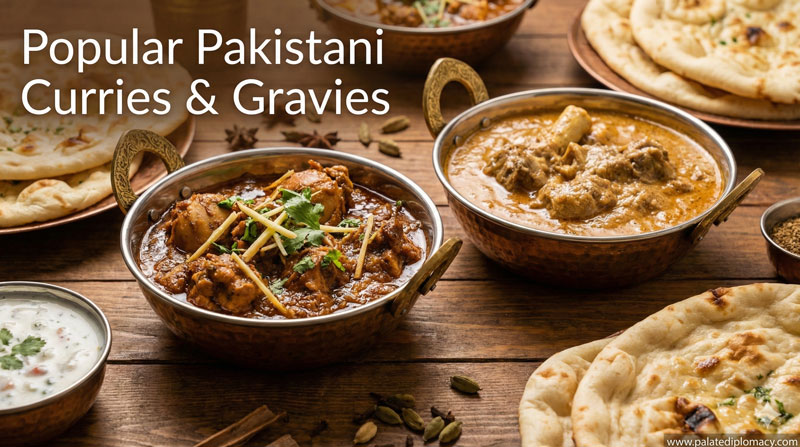
Chicken Karahi is more than a dish. It is a shining thread in the fabric of food culture, inviting people to gather, share, and celebrate. In this post, we explore the Top Reasons people love eating Chicken Karahi, focusing on cultural value and culinary significance. The aim is to honor the beauty of the dish and its place in daily life and special moments.
A Classic of Hospitality: The Social Spirit of Chicken Karahi
Food is a language of welcome. Chicken Karahi often sits at the center of a table, surrounded by naan, rice, and lively conversation. Friends and family gather, and the single pan becomes a focal point for sharing. The act of passing the dish, scooping up sauce, and savoring the tender chicken creates a memory as flavorful as the meal itself. This communal experience highlights how food becomes a bridge between people. The dish thrives when the table is busy and the laughter is easy.
A Signature Cooking Vessel: The Karahi Itself
The karahi, a wide, deep, circular pan, is more than a utensil. It shapes the cooking method and the aroma that rises from the stove. The shape allows sauces to reduce quickly while keeping the chicken juicy. The sizzle of the oil, the quick bloom of spices, and the glossy coating forming on the meat all come from this vessel. When cooks work with a karahi, they practice a technique that balances speed with care, preserving brightness in the tomatoes and warmth in the spices. The pan is an instrument that helps define the dish’s character.
The Flavor Triangle: Tomato, Ginger, Garlic, and Spice
Chicken Karahi centers around a simple, vibrant trio: ripe tomatoes, fresh ginger, and garlic. This trio creates a bright base that carries the heat and fragrance of spices such as cumin, coriander, and garam masala. Green chilies and chili flakes add a touch of heat, while fresh cilantro finishes the dish with a Fresh note. The balance between tangy tomato and aromatic spice elevates the chicken without overpowering it. Each bite offers a clean, lively contrast that many find endlessly appealing.
Texture and Aroma: The Sizzle that Draws People In
The dish invites the senses before the first taste. A gentle to moderate boil creates a glossy sauce that clings to the meat. The edges of the chicken develop a slight caramelization, adding depth. As the spices bloom, a warm, inviting aroma fills the room. The combination of tender chicken, silky tomato sauce, and a hint of char invites people to lean in and savor. This sensory appeal is a big part of why Chicken Karahi remains a Favorite over time.
Regional Variations: Subtle Differences Across Regions
Across regions, cooks put their own stamp on Chicken Karahi. Some use boneless cuts for a quicker, lighter bite; others prefer bone-in pieces for a heartier texture. The spice blend may shift with local preferences and seasonal produce. In some kitchens, a squeeze of lemon or a drizzle of yogurt adds brightness; in others, a touch of kasuri methi (dried fenugreek) or a hint of coriander leaf completes the plate. These small differences enrich the dish and reflect the diverse culinary landscape that cherishes Karahi.
The Cultural Language of Spice: Memory and Identity
Spices tell stories. The aroma of garlic and ginger speaks of family recipes, seasonal markets, and careful choosing of ingredients. A well-made Chicken Karahi can echo generations of cooking wisdom—how heat is managed, how long a sauce simmers, and when to adjust salt. The dish becomes a living language of taste, connecting cooks and diners through shared memory. In this way, chicken karahi is not just food; it is a ritual of memory and identity that families pass along with each serving.
Serving Traditions: Pairings and Table Manners
Serving Chicken Karahi often includes thoughtful pairings. Naan or fluffy basmati rice provides a perfect vehicle for scooping up sauce. A cooling side like raita can balance heat, while fresh salad adds a crisp contrast. Garnishes such as chopped cilantro and a wedge of lemon brighten the plate. The way the dish is presented—hearty, steaming, and inviting—tells guests that their arrival is valued. Good service and careful plating elevate the dining experience.
Craft and Craftsmanship: The Cook’s Skill
Crafting Chicken Karahi rewards practice. Chefs learn to time the simmer just right, allowing the tomatoes to break down without losing brightness. They adjust heat to keep the sauce from sticking, tasting and rebalancing salt and acidity as needed. The goal is harmony: a sauce that coats the chicken smoothly, a balance between richness and freshness, and a finish that lingers pleasantly on the palate. This craftsmanship turns ordinary ingredients into a memorable dish.
A Dish for Every Occasion: From Street Food to Family Dinner
Chicken Karahi adapts to many settings. On a busy night, a quick, flavorful version satisfies hungry guests. For a festive meal, an elaborated version with extra garnishes and a richer sauce can shine. Its versatility makes it suitable for casual gatherings and special occasions alike. The dish’s ability to fit different moods and settings helps it remain a staple in diverse culinary calendars, celebrated for its warmth and approachability.
Conclusion: The Enduring Allure of Chicken Karahi
The reasons people love Chicken Karahi flow from its heart to the plate. It embodies hospitality, celebrates a traditional cooking method, and rewards every attentive cook with a bright, balanced flavor. The dish’s cultural value lies in its ability to bring people together around a shared table, while its culinary significance rests in the precise harmony of ingredients, technique, and aroma. In enjoying Chicken Karahi, diners experience a living portrait of the cuisine’s beauty and its place in everyday life.