
Introduction
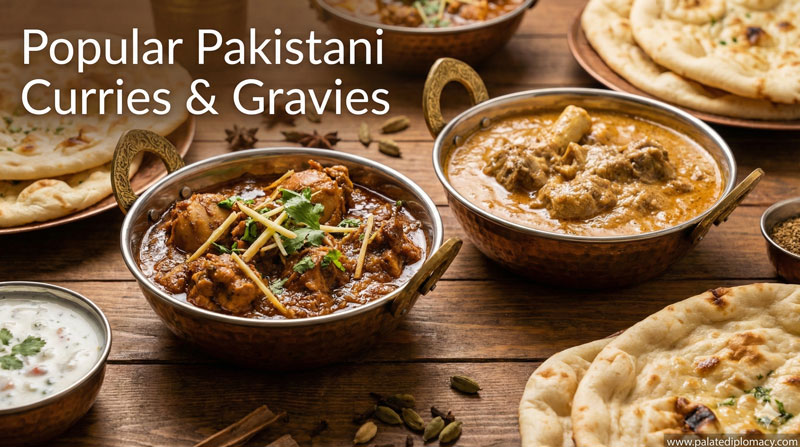
Chicken Karahi stands as a beloved ambassador of taste and technique in many kitchens. This dish blends bright acidity, warm spice, and a quick-cooking method that preserves juicy chicken and a lively tomato glaze. It is admired for its color, aroma, and the way it invites people to gather and share. In this post, we explore the cultural value and culinary significance of chicken karahi, focusing on How It speaks to craft, tradition, and everyday delight.
The Sizzle and the Signature: Technique and Texture
The magic begins with heat and patience. A sturdy karahi pan heats quickly, letting cooks sear chicken pieces to a caramelized edge. Then garlic and ginger are stirred in, followed by chopped tomatoes and green chilies. The sauce thickens as spices melt into the oil, coating each piece of meat with a glossy glaze. The result is a dish that offers bite, softness, and a balance of tangy, savory, and peppery notes. The technique emphasizes speed and control, creating depth without lengthy simmering. This balance of quick searing and bright sauce is a hallmark of the dish’s culinary signature.
A Cultural Staple: Home Cooking and Street Food
Chicken karahi thrives where family meals glow with conversation and shared plates. In homes, it serves as a reliable centerpiece for weekday dinners and weekend feasts. In markets and on street corners, skilled cooks rotate the pan, delivering a fresh, piping-hot version to eager diners. The dish respects the act of gathering—neighbors, friends, and relatives come together around smoky aromas and a common table. It is not just food; it is a ritual of hospitality, inviting warmth and connection through aroma, flavor, and the simple joy of eating together.
Regional Voices: Flavors Across Regions
Across regions, chicken karahi reflects local preferences while preserving its core identity. In some cities, cooks lean toward a bright, tomato-forward sauce with moderate heat. In others, a touch more chili and a dash of garam masala elevate the aroma and spice profile. Different regions may emphasize fresh coriander, mint, or kasuri methi (dried fenugreek leaves) for herbal brightness. The same dish thus unfolds with nuanced notes that reflect regional palettes and techniques, enriching the shared tradition with variety while keeping the essential character intact.
The Heart of the Dish: Key Ingredients
Fresh, high-quality ingredients are the backbone of chicken karahi. Tender chicken pieces, ripe tomatoes, garlic, ginger, and green chilies form the core. Aromatics like cumin, coriander, and black pepper add warmth, while salt and a touch of garam masala balance the plate. Garnishes such as chopped cilantro or julienned ginger bring fragrance and color at the finish. A drizzle of fresh herbs and a squeeze of citrus can brighten the plate just before serving. The dish thrives on simple components coordinated with care, letting each element contribute to a harmonious whole.
Serving and Pairings: Shared Tables
Chicken karahi shines when shared with others. It pairs beautifully with soft naan, flaky tandoori roti, or fragrant basmati rice. A side of sliced onions or a wedge of lime can accentuate brightness and contrast. When presented in a warm karahi, the dish invites guests to scoop, mix, and savor together. The serving style reinforces the social nature of the cuisine, turning a meal into a moment of communal pleasure and mutual appreciation for craftsmanship and flavor.
Why People Love It: Core Reasons
- Bold yet balanced flavors: a lively mix of tangy tomato, warm spices, and fresh aromatics.
- Quick, satisfying preparation: chicken cooks rapidly without sacrificing tenderness.
- Sensory appeal: the aroma fills the room, and the glossy sauce clings to every bite.
- Craft and skill: the dish rewards attention to timing, heat, and balance.
- Cultural warmth: it embodies hospitality, memory, and shared meals.
- Versatility: adaptable to heat preferences, ingredients, and regional twists.
These elements come together to Create a dish that feels both comforting and exciting, a staple that many households return to with anticipation.
The Craft and the Culture: Craftsmanship in the Kitchen
Cooks take pride in the sequence: heat, sear, aromatics, tomatoes, spices, and reduction. Each step preserves texture and brightness, ensuring the chicken remains juicy while the sauce gains depth. The pan itself—the karahi—offers a wide mouth and sloped sides that encourage quick evaporation and even coating. This method supports a distinctive, inviting dish that communicates skill, affection, and a long-standing tradition of flavor-building passed through kitchens and communities.
Ingredient Wellness: Quality and Care
The dish rewards careful sourcing. Fresh chicken, ripe tomatoes, and crisp greens elevate flavor and texture. Local produce often yields brighter acidity and richer sweetness in the sauce. Clean, breathable spices give aroma without overwhelming heat. When cooks choose fresh herbs and enlightened spice blends, they honor tradition while inviting modern palates to appreciate the dish’s enduring charm.
A Lesson in Hospitality: Social Significance
Beyond technique and taste, chicken karahi teaches a lesson in hospitality. The act of cooking for others—sharing, serving, and praising a well-made dish— strengthens bonds and creates lasting memories. The dish’s presence at gatherings signals welcome and togetherness. In this way, its cultural value extends beyond the plate to the sense of community it helps foster.
Conclusion
Chicken karahi is more than a meal. It is a vibrant expression of culinary craft, regional variation, and human warmth. Its bright sauce, crisp chicken, and aromatic finish invite cooks to connect with tradition while inviting friends and family to savor each bite. By celebrating its technique, flavors, and social role, we honor a dish that continues to enrich Food Culture with every sizzling moment in the pan. If you seek a dish that feels both timeless and immediate, the chicken karahi offers a fulfilling invitation to celebrate flavor, craft, and togetherness.