
Introduction
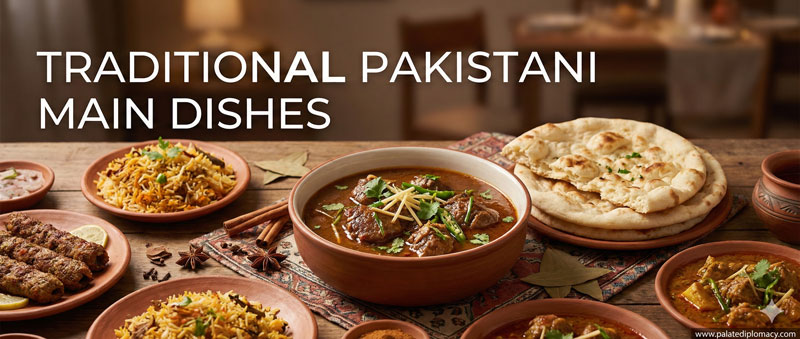
Top Reasons People Love Eating Karahi. This post explores the dish’s cultural value and culinary significance. Karahi brings warmth, color, and character to the table. It invites conversation, shared bites, and a sense of welcome. In the pages that follow, you will see why karahi holds a special place in homes and eateries alike. The focus stays on flavor, craft, and the beauty of food as a social tradition.
What is Karahi?
Karahi is a savory dish cooked quickly in a karahi, a round, deep cooking pan with sloping sides. The name comes from this pan, not from the ingredients alone. Meat—often chicken, mutton, or beef—sizzles with tomatoes, spices, and aromatics. The result is a bright, glossy sauce that clings to tender meat. The technique emphasizes freshness and speed, letting herbs and chilies brighten the dish as it cooks. This balance of quick heat and vibrant ingredients is at the heart of karahi’s appeal.
The Sizzle, Aroma, and Visual Appeal
When karahi hits the heat, you hear a lively sizzle. The aroma rises with garlic, ginger, and ground spices. Tomatoes soften into a glossy sauce, while fresh green chilies add a fragrant kick. The color shift—from red-orange of peppers and spice to the deep brown of caramelized edges—invites the senses first, before taste follows. This sizzling display makes karahi feel festive and inviting. In many kitchens and restaurants, the dish is served straight from the pan, still releasing steam and scent as it arrives at the table.
The Craft of Karahi Cooking
The technique behind karahi is precise yet approachable. Chefs heat the pan, add oil, and sear the meat briefly for depth of flavor. Then they fold in aromatics and spices, followed by tomatoes that act as both liquid and glaze. The dish cooks quickly at high heat to preserve tenderness and brightness. Finally, a quick simmer blends flavors, and the dish is finished with fresh herbs or a splash of spice oil. This method highlights skill without overcomplicating the process, making karahi a reliable showcase of technique and taste.
Core Ingredients and Seasoning
Key ingredients include:
– Meat: chicken, mutton, or beef in bite-sized pieces
– Tomatoes: provide acidity and a glossy sauce
– Aromatics: garlic and ginger paste
– Heat and color: green chilies and chili powder
– Ground spices: cumin, coriander, turmeric, garam masala
– Finishing touch: fresh cilantro or coriander leaves
These elements come together to create a bright, layered flavor. The balance of warmth, tang, and spice is central to karahi’s charm. Fresh herbs at the end lift the dish and connect it to regional cooking traditions.
Flavor Profile and Texture
Karahi offers a robust, comforting profile. The meat remains tender and juicy, with a slight crisp at the edges from quick searing. Tomatoes give a tangy sweetness that brightens the sauce. Green chilies and garam masala contribute depth and heat without overwhelming the palate. The result is a dish that feels hearty yet fresh, with a silky sauce that clings to every bite. The texture invites you to savor the contrast between tender meat and soft, succulent tomatoes.
A Dish of Shared Moments
Karahi shines in social settings. It moves from the kitchen to the table with a promise of shared spoons and stories. Side dishes like naan or roti, yogurt raita, and cucumber salad accompany the meal, turning dining into a ritual of hospitality. The act of gathering around a steaming karahi strengthens connections, turning a simple meal into a small celebration of togetherness. This communal aspect is a central reason many people love karahi.
Regional Variations and Techniques
Across regions, families adapt karahi to their tastes. Some favor extra tang from a touch of lime or amchur (dried mango powder). Others adjust the heat level with different chili varieties. Layered spice blends can vary by cook, city, or season. Yet the core approach stays consistent: quick cooking, bright flavors, and a glossy sauce that coats the meat. These subtle differences reflect local produce, climate, and tradition, adding richness to the dish’s cultural tapestry.
Serving Traditions and Pairings
Karahi is typically enjoyed with bread or rice. Naan, tandoori roti, or fluffy chapati make perfect scooping tools. A side of cool yogurt or a light cucumber salad balances spice and richness. Jeera rice and cumin-enhanced pilafs also pair well, offering a fragrant counterpoint. Fresh coriander sprinkled on top adds a final, vibrant note. The way karahi is served—hot, steaming, and ready to share—enhances the sense of hospitality surrounding the meal.
The Cultural Value: Hospitality, Community, and Celebration
Karahi embodies hospitality. The dish invites guests to come together, to taste, to discuss, and to rejoice in a flavorful moment. It reflects a culinary ethic of generosity: generous portions, bold flavors, and a warm hand in the kitchen. In many homes and eateries, karahi is linked to family meals, festive gatherings, and daily routines that value nourishment and connection. The dish’s popularity endures because it honors those social rituals at the heart of Food Culture.
Why People Keep Returning to Karahi
- Immediate flavor: bold, clean spice accents that balance heat and brightness.
- Comfort factor: a rich, satisfying sauce that coats each piece of meat.
- Social experience: the shared, interactive way of dining that karahi encourages.
- Freshness: quick cooking preserves aroma and texture, making every bite lively.
- Versatility: adaptable to chicken, mutton, or beef, with room for personal tweaks.
Tips for Enjoying Karahi at Home
- Start with a good base: fresh garlic and ginger paste create a bright foundation.
- Control the heat: begin medium-high and adjust to taste; you can always add more spice later.
- Use a wide pan or wok: a broad surface helps in quick searing and even cooking.
- Finish with brightness: a squeeze of lemon or a handful of chopped cilantro lifts the dish.
- Pair thoughtfully: serve with warm naan and a cooling yogurt side for balance.
Choosing a Karahi Experience: At a Restaurant vs. Home
In a restaurant, the focus is on consistency, aroma, and service. A skilled cook brings the pan to the table with a dramatic aroma that enhances the first bite. At home, karahi offers intimate control over spice, texture, and timing. Either setting can celebrate the same core values: craft, hospitality, and a love of bold, vibrant flavors.
Final Thoughts
Karahi is more than a dish; it is a cultural expression of warmth, craft, and shared meals. Its appeal rests on balance: speed and technique, spice and brightness, heartiness and tenderness. By honoring its culinary roots and social role, we can appreciate karahi as a living tradition in the culinary landscape. Whether you savor it in a bustling kitchen, a quiet home kitchen, or a favorite restaurant, karahi invites you to pause, taste, and celebrate the beauty of food as a communal experience.