
Introduction: A Dish That Feels Like Home
Kluski Śląskie, or Silesian dumplings, stand as a gentle, comforting thread in Polish family life. These small, soft potato dumplings carry more than flavor; they carry memory, care, and a everyday ritual of sharing a meal. In homes across Poland, families come together to prepare and enjoy them with sauces, fried onions, and seasonal greens. The dish speaks softly of tradition, skill, and the simple joy of nourishment passed from one generation to the next.
What Kluski Śląskie Are
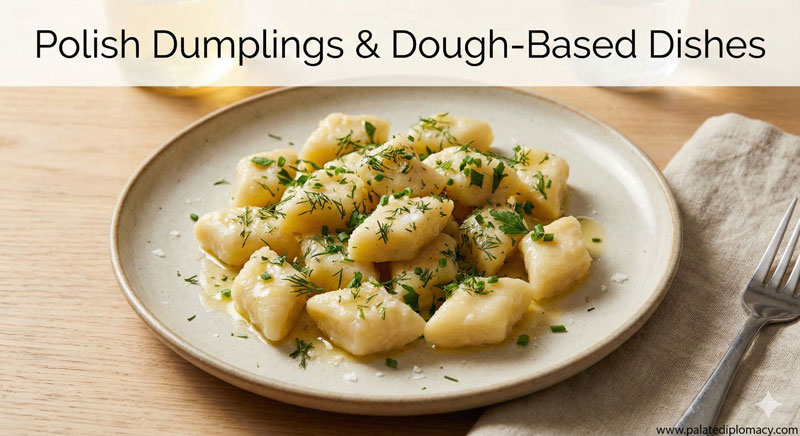
Kluski Śląskie are round, pale dumplings with a tiny depression in the center. They are made from potatoes, eggs, and flour, formed into discs, and boiled until tender. The center hole or dimple is not decorative alone; it cradles sauce and butter in a way that makes every bite feel deliberate. The texture is light and silky, a contrast to a confident, savory sauce. This combination—soft dumplings with a flavorful companion—defines how the dish is enjoyed and what it communicates about Polish home cooking.
The Craft and Its Significance
The making of Kluski Śląskie is a quiet art. It begins with choosing potatoes that yield a creamy mash, then balancing eggs and flour to create dough that holds shape but remains gentle. The dumplings are rolled, cut, and pressed to form that distinctive center. Each stage requires hands that know when dough is just right and when a dumpling should rest before boiling. The craft is often taught by a grandmother or aunt, a practical lesson in patience and care. In this way, the dish becomes a living archive of technique, handed through daily meals rather than in grand demonstrations.
This process matters because it ties a family to a place. The Silesian name itself—Śląskie—conveys origin and pride. Families take pride in the texture, the telltale central crater, and the evenness of each dumpling. The dish thus embodies a philosophy of cooking that values skill, consistency, and small, meaningful details that enhance shared meals.
Serving Traditions and Flavor Pairings
Kluski Śląskie shine when paired with the right sauce and accompaniments. A rich mushroom gravy or a deeply flavored pork gravy is a common partner, inviting the dumplings to be spooned and savored. Butter, sometimes browned, melts over the hot dumplings and adds a gentle gloss of sweetness. On a plate, red cabbage or cabbage with apples can offer a bright counterpoint that balances the starch with a touch of acidity and crunch. In many homes, a sprinkle of fried onions or cracklings adds a subtle, savory crunch.
The serving ritual itself is part of the cultural value. Families may gather around the stove, with a pot of dumplings kept warm and a pan of sauce ready. The act of sharing a pot of warm dumplings, ladling sauce, and passing bowls from person to person is a small ceremony of belonging. The table becomes a stage for conversation, laughter, and quiet appreciation for the care that goes into each portion.
Regional Variations and Seasonal Echoes
Across Polish regions, Kluski Śląskie carry local touches without losing their core identity. In Silesia, the dumplings may be slightly larger or prepared with a particular balance of potato and flour that reflects local harvests. Seasonal ingredients shape how they are served: in a harvest season, a mushroom sauce may take center stage; in autumn, a butter-herb finish can feel especially comforting. The dish adapts to the rhythm of the year, yet remains consciously simple, a reminder that good food can rise from modest ingredients.
Culturally, the dumplings are a living link to family calendars. They appear on everyday meals, on Sundays, and at special gatherings that celebrate harvests, birthdays, or family milestones. The way they are prepared can echo shared memories—an aroma that signals “home,” a practiced hand that signals “care,” a plate that signals “togetherness.”
Modern Takes, Yet Timeless Heart
Today, many households honor Kluski Śląskie by keeping the core method intact while gently updating their plates. Some cooks explore gluten-free options, using alternative flours or starches, while others preserve the traditional dough as a passport to the past. Chefs in home kitchens and small eateries alike still choose to highlight the central crater as a signature detail, ensuring the dumplings are recognized instantly.
Even as menus evolve, the cultural value remains. The dish teaches patience, balance, and the joy of sharing a meal that is both comforting and elegantly simple. In this way, Kluski Śląskie offers continuity—an invitation to slow down, to gather, and to savor the textures of a dish that has fed families for generations.
A Bite That Tells a Family Story
What makes Kluski Śląskie powerful is not only taste but The Story it carries. It speaks of careful hands and steady rhythms. It tells of harvests that supply starchy potatoes and the time a family spends to shape each dumpling with care. It celebrates a culture that values nourishment, hospitality, and the quiet dignity of a well-made meal.
When you experience Kluski Śląskie, you experience more than a dish. You encounter a cultural practice that places family and flavor in harmony. You feel the shared pride of a people who honor tradition while welcoming new ideas to the table. The result is a plate that feels both familiar and refreshing—a testament to the beauty of Polish home cooking and the enduring appeal of a dish that brings people together.
Conclusion: A Gentle Pillar of Polish Food Culture
Kluski Śląskie stands as a humble yet meaningful pillar in Polish culinary life. It embodies skill, seasonal awareness, and the generosity of shared meals. The dish teaches that the simplest ingredients can become something memorable when prepared with care and shared in good company. As families continue to prepare and enjoy these dumplings, they keep a tradition alive—one that honors the past and nourishes the present with warmth, taste, and togetherness.