
Why Travelers Are Falling in Love with Meatballs
Travelers crave stories on a plate. They seek warm flavors, familiar textures, and moments that feel Like a gentle welcome. Meatballs offer all of this in a compact, versatile form. Each bite carries a memory of home and a spark of new discovery. The dish travels well, adapts to local ingredients, and remains comforting no matter where it is found. It is easy to share, easy to prepare, and easy to enjoy in many settings—from a street stall to a family kitchen. That accessibility makes meatballs especially appealing to curious travelers who want to taste culture with their hands first.
The Texture that Talks: Craft, Not Complexity
The heart of a great meatball is texture. Chefs aim for tenderness with a lively bite. The trick is balance: enough fat to stay juicy, enough binding to hold together, and a gentle grind that avoids heaviness. Binders such as soaked bread or a splash of milk help soften the mixture. Eggs bring cohesion. Spices and herbs wake the aroma without overpowering the meat. The cooking method matters too. A quick pan-sear adds a golden crust, while simmering in a sauce infuses them with moisture and flavor. The result is a small orb that carries a punch of aroma and a melt-in-the-mouth feel. This tangible texture invites taste memories to form and linger.
Global Variations: A World in Bite-Sized Form
Meatballs appear in many cuisines, each shape and seasoning telling a local tale. In one region, they are small, bright with garlic and parsley, and served in a light tomato sauce. In another, they are larger, with nutmeg, allspice, and a touch of cinnamon, paired with yogurt or a creamy sauce. Here are a few echoes from around the world:
- Italian polpette: bread soaked in milk, herbs like basil or parsley, and a tomato kiss or a simple pan sauce.
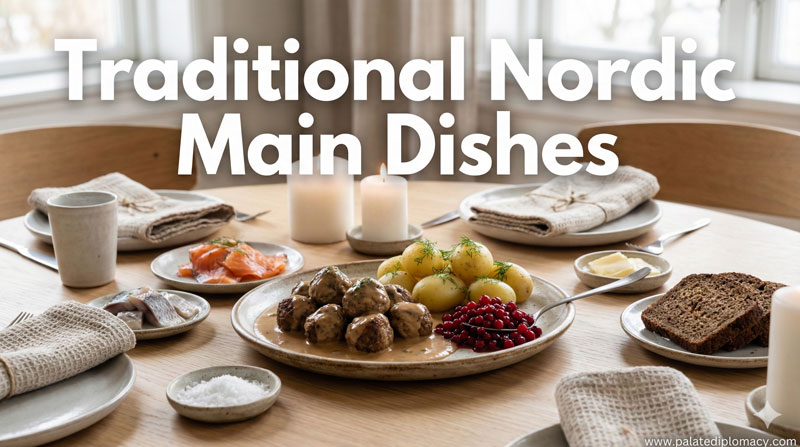
- Swedish köttbullar: a mix of beef and pork, crumbs, onion, and a creamy gravy that glides over soft, tender meatballs.
- Turkish kofte: ground lamb or beef with cumin, mint, and pepper, often grilled or baked and plated with herbs.
- Spanish albóndigas: garlic, paprika, and a bright tomato base, sometimes enriched with citrus zest.
- Middle Eastern kofta: a blend of spices such as cumin and coriander, often shaped around skewers or formed into soft rounds.
- Chinese lion’s head meatballs: larger, fluffy pork balls, sometimes with ginger and napa cabbage in the cooking broth.
- Latin varieties: albondigas with cilantro, oregano, and a tomato sauce or broth that warms the table.
These variations highlight how a single concept—ground meat shaped into a ball—adapts to land, season, and taste. Travelers notice the flavors reflecting the local pantry, and they savor the small differences that make each version feel rooted in place.
From Market to Table: The Social Thread
Meatballs thrive in social settings. They appear as street snacks, family meals, and festive gatherings. They invite sharing, whether a plate passed from hand to hand or a bowl set at the center of a table to be shared by all. The act of eating meatballs together creates a simple, unspoken bond. The dish is approachable for cooks of all levels and for diners of many ages, which adds to its charm on a travel menu. Markets, trattorias, home kitchens, and cafes all feature meatballs in slightly different guises, yet the core idea remains the same: meat shaped into a comforting form, cooked with care, and served with care to others.
Flavor Architects: Herbs, Aromatics, and Local Produce
The flavor profile of meatballs is built from what is on hand. Fresh herbs, garlic, onion, citrus zest, and regional spices define the character of each version. In coastal towns, fish or seafood derivatives might join the mix. In inland markets, woodland herbs or peppery spices may take the lead. Binders and fats come from pantry staples—bread, milk, eggs, and various meats. This adaptability is What Makes meatballs a culinary chameleon: they absorb the personality of the place while remaining instantly recognizable as a comforting, satisfying bite. Travelers encounter this blend of local abundance and universal appeal, and it often sparks curiosity to explore more about the region’s cooking.
Sauces, Sides, and the Plate as a Story
A well-chosen sauce elevates meatballs from a main to a memory. Tomato-based sauces add brightness and warmth, while creamy gravies bring a smooth hug to each bite. Yogurt or lemon-based sauces lighten richness and add a citrus lift. The sides—bread, rice, potatoes, or fresh vegetables—help frame the meatballs and reveal regional preferences. These pairings are not just about taste; they are about context. The plate tells a story of harvest, season, and technique, inviting travelers to experience both novelty and familiarity in one sitting.
Cooking Practices: Simplicity and Skill
Meatballs honor practical cooking. Simple tools, steady hands, and mindful timing can produce remarkable results. The technique can be taught in a home kitchen or refined in a chef’s studio. The emphasis is on balance—protein, binder, herbs, and moisture—more than on complex equipment. This accessibility makes meatballs a reliable choice for travelers who want a satisfying, dependable meal that still carries cultural weight. It also encourages home cooks to experiment with local ingredients, turning a familiar form into a personal signature.
A Quiet Celebration of Taste and Place
Meatballs are not flashy by design, and that is part of their charm. They celebrate everyday meals and everyday ingredients, transformed by heat and heart. For travelers, they offer a doorway into a place’s warmth, technique, and seasonal bounty. The dish’s beauty lies in its versatility: a single form that can be coaxed into many personalities, each with its own aroma, texture, and story. This quiet adaptability invites exploration without pretension, making meatballs a beloved companion on journeys through food culture.
Closing Thoughts: A Dish That Welcomes the World
Meatballs speak in a gentle, inviting voice. They are small, flavorful, and easy to share. They carry the footprint of local markets, home kitchens, and city streets, all in one bite. For travelers curious about how people eat where they go, meatballs offer a reliable gateway to memory and discovery. They remind us that flavor can be both comforting and exciting, that technique can be simple yet refined, and that the best meals often arrive as round, warm, appetizing morsels that welcome us to sit, taste, and stay a while.