
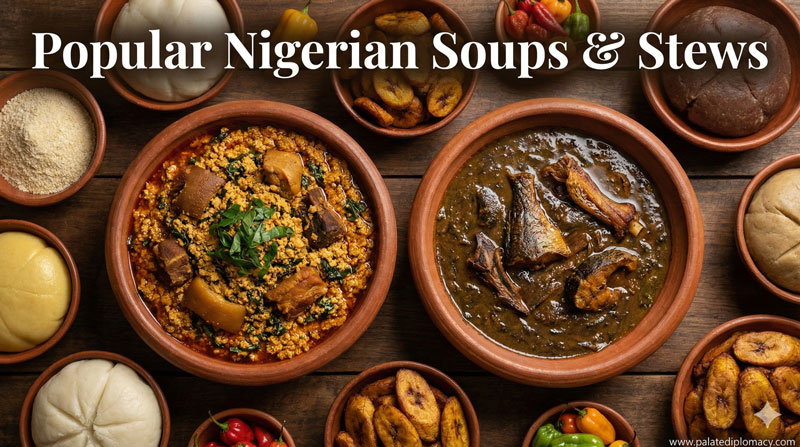
Introduction: Why Travelers Are Falling in Love with Okra Soup
Travelers Are drawn to taste experiences that feel both unfamiliar and welcoming. Okra Soup offers that balance. It greets the palate with a bright, emerald hue and a warm aroma that hints at home-cooked meals and shared tables. In every bowl, there is a story of kitchens that welcome strangers and stretch a simple ingredient into something comforting. The dish invites exploration, yet it remains easy to savor and repeat.
A Cultural Value Shared Across Kitchens
Okra Soup stands at the center of many regional kitchens, where cooks blend local ingredients with a timeless technique. The dish celebrates freshness—okra sliced or chopped into just the right size, tomatoes lending brightness, onions adding depth, and peppers providing a gentle kick. Travelers notice how this combination mirrors communities that emphasize balance: sturdy protein, bright vegetables, and a carrying broth. The result is a dish that feels familiar in its warmth while offering subtleties that reward attentive tasting. By slowing down to sip the spoonful, travelers sense a cultural rhythm of daily meals that nourish and connect people.
The Culinary Significance: Texture, Technique, and Flavor
A key feature of Okra Soup is its texture. Okra releases a natural mucilage that thickens the broth, giving the soup a silky body without heaviness. This texture is not merely a characteristic; it is a technique that cooks tailor. Simmering slowly allows flavors to mingle, while quick adjustments with salt, chili, or aromatics elevate the balance. Many kitchens finish with a splash of oil or palm oil for a glossy finish and a round, fruity note. Protein such as fish, chicken, or beef adds depth, while vegetables keep the dish bright. Each cook brings a personal touch, yet the core idea remains: coaxing flavor from simple ingredients through careful timing and respectful heating.
Ingredients and the Language of Flavor
Okra Soup relies on a few sturdy components. Fresh okra, ripe tomatoes, onions, and peppers create a vibrant base. Leafy greens may join in some regional versions, adding color and nutrition. The broth is often seasoned with salt, stock, and a mild spice blend to lift flavors without overpowering them. A touch of citrus or a small amount of acid brightens the pot’s depth, helping each note to stand out. All together, these elements tell a concise, elegant flavor story that travelers remember long after they leave the table.
Markets, Meals, and Moments of Hospitality
Markets are where Okra Soup often begins its journey. Sellers and cooks share tips on choosing the freshest okra and the ripest tomatoes. In small eateries and home kitchens, the dish becomes a centerpiece of a welcoming meal. The act of serving a bowl to a traveler or guest embodies hospitality—an invitation to pause, share, and learn. The ritual of tasting, nodding in appreciation, and swapping notes about spice and texture creates a simple, lasting memory. For many travelers, this is the moment when food becomes culture, one bowl at a time.
Pairing the Dish with Travel Moments
Okra Soup pairs well with simple staples like rice, flatbreads, or cornmeal porridge, letting the soup take center stage. Travelers often savor it with a side that soothes the palate and echoes regional comfort foods. The pairing enhances the experience: the cool, starchy companion contrasts with the soup’s warmth and brightness. This combination makes the meal easy to enjoy in varied settings, from busy market stalls to quiet home kitchens.
A Friendly Invitation to Taste and Reflect
In the end, Okra Soup invites travelers to slow down and notice flavor at its source. The dish embodies a philosophy of cooking that values balance, texture, and communal sharing. It celebrates everyday ingredients elevated through technique and care. For anyone wandering with open curiosity, this soup offers a welcoming entry point into a region’s culinary heartbeat.
Closing Note: The Simple Beauty of a Pot of Okra Soup
Okra Soup stands as a testament to how a humble ingredient can become a bridge between places and people. Its cultural value lies in its ability to bring color, aroma, and warmth to the table. Its culinary significance rests in its texture, its thoughtful preparation, and its capacity to nourish. For travelers, the dish is more than a meal—it is an invitation to taste, observe, and enjoy the enduring beauty of everyday cooking.