
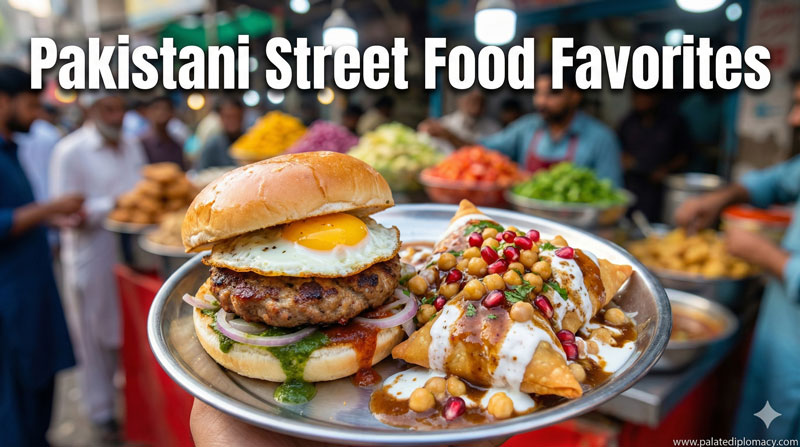
Why Travelers Are Falling in Love with Samosa Chaat
Travelers Are discovering a dish that speaks to memory, curiosity, and curiosity. Samosa chaat welcomes visitors with a vibrant aroma and a playful mix of textures. It is more than a snack; it becomes a quick, flavorful introduction to a city’s everyday kitchen. The dish invites you to slow down, listen to the sounds of a busy street, and savor each bite. In this way, samosa chaat earns a special place in travel Food Culture: it is an edible map of a place, crafted with care and shared with warmth.
The Craft: Ingredients and Texture
The allure begins with a crisp samosa shell, crumbled into bite-sized pieces. Potatoes and peas offer a gentle, comforting heart, while chickpeas add heft and protein. Yogurt provides a cool contrast that balances spice and tang. Then come the chutneys—tamarind for sweetness and sour brightness, mint for herbal punch—which mingle with onions, cilantro, and a dusting of chaat masala. Finally, a shower of sev adds a delicate crunch that sails through each mouthful. The result is a layered experience: crunchy, creamy, tangy, and bright all at once. This careful balance has made samosa chaat a staple in street markets and casual eateries, where time-pressed travelers still expect depth and delight.
A Culinary Mosaic: Regional Variations
Samosa chaat travels well because its core concept is flexible. In one city, vendors may crown the dish with extra yogurt and fresh cilantro. In another, a splash of pomegranate seeds or a drizzle of garlic chutney adds a new note. The base—crisp samosa pieces, potato filling, chickpeas, yogurt, and chutneys—stays recognizable, but each stall adds its own signature. This adaptability highlights a culinary value: the dish grows with local tastes while preserving its essence. For travelers, that means a familiar framework with fresh surprises at every stop, a testament to how food evolves in everyday cooking.
Social Rituals and Serving Style
Samosa chaat Shines in social settings. It is commonly shared and enjoyed with friends or fellow travelers, creating a quick ritual of tasting, comparing, and laughing together. Vendors assemble the dish in front of you, layering flavors with practiced ease. The plated result is both practical and festive: a bowl or plate layered with crisp pieces, soft yogurt, and glistening chutneys, finished with a sprinkle of sev and chopped cilantro. The process itself tells a story of hospitality, efficiency, and joy in daily life. This communal style makes samosa chaat a beloved feature of street food culture, inviting people to pause, savor, and connect.
Flavor Harmony and Culinary Significance
The flavor profile of samosa chaat demonstrates the artistry of balancing contrasts. Heat from spices rides alongside cool yogurt, while tangy chutneys wake the palate. The crunch of sev provides a textural counterpoint to the creaminess of yogurt and the softness of potato. This harmony mirrors broader culinary values: thoughtful layering, seasonal ingredients, and a respect for both comfort and brightness in taste. The dish also highlights how a few core ingredients can carry a region’s culinary language—savory, sour, and slightly sweet notes that feel both familiar and new to a traveling palate. In this way, samosa chaat becomes a concise lesson in flavor balance and technique.
Practical Tips for Travelers
For those on the move, here are tips to enjoy samosa chaat fully. Look for stalls with freshly made chutneys and crisp samosa pieces. Ask for yogurt on the side if you prefer a lighter texture, or request extra sev for an added crunch. Pair the chaat with a cold drink or a warm tea to refresh the palate between bites. Take time to observe the assembly: the moment the chutneys touch the yogurt, a vibrant swirl appears, signaling the dish’s evolving layers. By approaching samosa chaat with curiosity and a gentle pace, travelers can absorb both taste and technique in one memorable bite.
A Timeless Favorite in Food Culture
Samosa chaat stands as a flavorful ambassador of everyday cooking. It embodies the creativity and generosity of street kitchens, where simple ingredients come together with care to create something greater than the sum of its parts. For travelers, the dish offers an edible doorway to a city’s rhythms, markets, and shared table moments. Its cultural value lies not only in taste but in the invitation to participate in a living culinary tradition. Samosa chaat, in its many forms, continues to celebrate accessibility, craft, and community through food.