
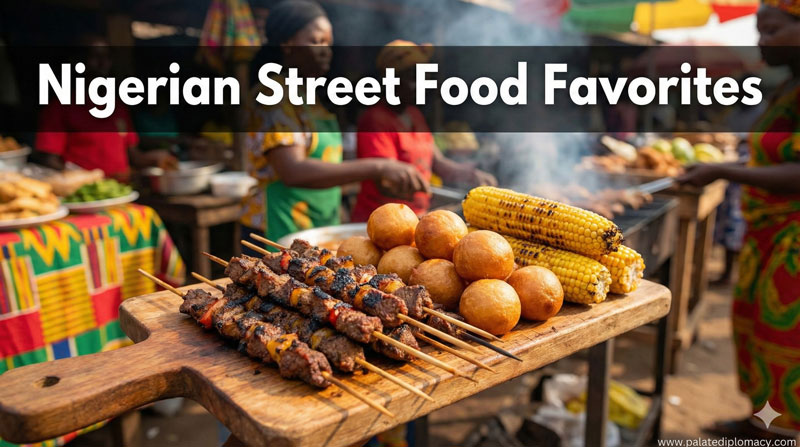
The Story Behind Boli, a Nigerian Food Favorite
Boli stands as A Beloved part of Nigerian street and home cooking. It is more than a snack; it is a doorway into communities, family routines, and everyday celebrations. The dish centers on ripe plantains roasted over fire, producing a smoky sweetness that invites close tasting and shared stories. This post explores the cultural value and culinary significance of boli, celebrating its beauty and place in Nigerian food culture.
What is Boli?
Boli is roasted plantain, usually made from ripe plantains with a natural sweetness. The fruit is placed on a grill or open flame, turning a deep golden to charcoal edge as the sugars caramelize. The aroma fills streets and kitchens, drawing curious glances and inviting bites. Often, boli is enjoyed with a side of groundnut or peanut sauce, and sometimes with a pepper sauce for a bright heat. The pairing highlights contrasts—the soft, warm fruit with crunchy nuts, or the punch of spice—creating a simple yet satisfying flavor harmony. Boli is accessible, approachable, and deeply satisfying to eat, which helps explain its broad appeal across Nigeria.
The Craft of Roasting Plantains
The Heart of boli lies in its roasting technique. Sellers and home cooks select plantains that are ripe enough to be sweet but firm enough to hold their shape. The plantains are roasted over charcoal or a steady flame, which imparts a gentle smokiness. Some cooks peel only partially to protect the fruit inside, while others leave the skin on for a rustic look. The goal is a caramelized exterior and a tender interior. This craft connects practical skill with sensory delight, producing a dish that tastes of care and patience. The result is boli with a glossy, slightly blistered surface and an aroma that invites immediate tasting.
The Sauce: Peanut Groundnut and Pepper Dips
A classic pairing accompanies boli: peanut groundnut sauce. The sauce is smooth, nutty, and rich, balancing the fruit’s sweetness with a savory depth. Some prefer a pepper sauce that introduces a bright, clean heat. These sauces are not afterthoughts; they shape how boli is enjoyed and shared. The sauce adds texture, momentum, and contrast, turning a simple bite into a moment of discovery. Together, bolts of heat and nutty cream create a flavor profile that many Nigerians associate with community meals and casual gatherings.
Social and Cultural Value
Boli carries social significance that transcends taste. It appears at markets, street corners, and family gatherings, becoming a familiar signal of welcome and warmth. Sharing boli fosters connection, as neighbors, friends, and relatives gather around a plate to chat and laugh. The item is often part of leisurely evenings, social outings, and informal celebrations, reinforcing a sense of belonging. The act of preparing boli—whether at a home stove or a street grill—reflects hospitality, generosity, and the joy of good company. In this way, boli is more than food; it is a cultural ritual that marks daily life with comfort and community.
Regional Variations and Techniques
Nigeria’s diverse regions add nuance to boli. Some areas favor firmer plantains with a more pronounced sugar note, while others lean into a softer texture. The degree of charring can vary, giving different smoky intensities. The accompanying sauces also show variation: peanut sauce remains common, but pepper variations and spice blends provide regional character. These differences celebrate local tastes and hands-on cooking styles, illustrating how a shared dish can still feel distinct from one neighborhood to another. Across these variations, boli preserves its core identity as a roasted, joyful treat that fits into many tables and traditions.
Serving Traditions and Moments
Boli is tied to everyday life as well as special moments. It often appears as an after-work treat, a snack during casual visits, or a quick bite before a night out. In many households, the ritual of roasting plantains becomes a small celebration in itself, inviting calm conversation and gentle music in the background. The simple plate of boli with sauce becomes a centerpiece for shared conversation, a way to slow down and savor the moment. The dish’s versatility—whether eaten alone or with family and friends—reminds us that good food can anchor happiness in ordinary days.
A Simple Guide to Enjoying Boli
If you want to begin a boli experience at home, start with ripe plantains and a grill or skillet. Roast until the skin looks blistered and the fruit is tender. Slice and serve with a peanut groundnut sauce or a spicy pepper dip. Eat slowly to savor the contrast between smoky fruit and creamy or zesty accompaniment. Pair boli with a cool drink or a light tea, and take a moment to notice the aroma, texture, and balance of flavors. This approachable method invites beginners to join in and long-time fans to revisit a familiar favorite with fresh appreciation.
Final Thoughts
Boli embodies cultural value through simple, honest cooking. Its place in Nigerian food culture reflects hospitality, shared moments, and a love of flavorful, approachable food. The dish invites people to gather, to talk, and to enjoy the sensory pleasures of fire-roasted fruit and complementary sauces. By celebrating boli, we honor a culinary practice that nourishes both body and community. Whether enjoyed at a market stall, in a family kitchen, or during a casual evening with friends, boli remains a fragrant invitation to connect with tradition and discover the quiet beauty of Nigerian cuisine.