
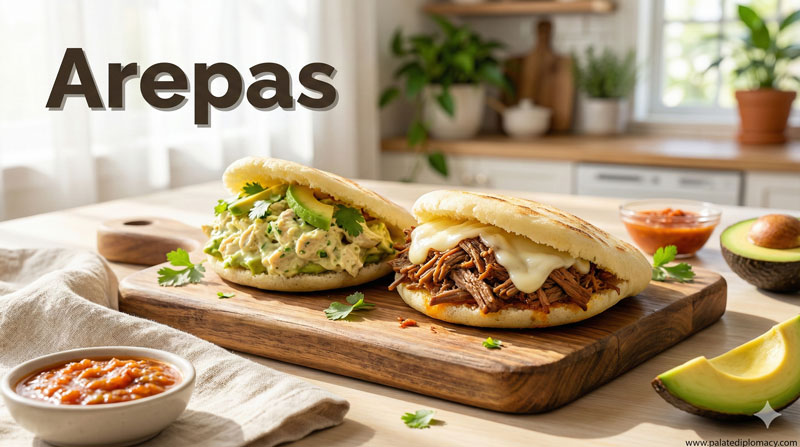
Discovering Venezuelan Arepas: An Affordable Culinary Treasure
Venezuelan arepas are more than just a popular dish; they are a vibrant symbol of the country’s culinary heritage. These versatile, round cornmeal cakes have been a staple in Venezuelan kitchens for generations. Whether enjoyed for breakfast, lunch, or dinner, arepas stand out as an accessible and satisfying meal option that brings families and communities together. Their cultural significance lies not only in their flavors but also in their role as a unifying food that reflects Venezuela’s rich agricultural traditions.
The Cultural Significance of Arepas in Venezuela
In Venezuela, arepas symbolize warmth, tradition, and shared experiences. They are often woven into daily life, prepared with love and care. The simplicity of ingredients—primarily cornmeal—makes arepas an economical choice, especially valued in households seeking hearty nourishment on a budget. Despite their simplicity, arepas serve as a blank canvas for countless fillings and toppings, showcasing regional tastes and individual preferences. From cheesy arepas to those filled with shredded meats, they represent the country’s diverse culinary landscape.
Culinary Versatility and Regional Flavors
One of the most remarkable aspects of Venezuelan arepas is their versatility. They can be baked, grilled, or fried, each method contributing a different texture and flavor profile. Traditional fillings include black beans, fresh cheese, avocado, or shredded beef, while modern variations embrace an array of tastes and dietary preferences. Each region adds its unique twist, enriching the cultural tapestry of the dish. This adaptability makes arepas an accessible and cost-effective culinary option for many families, emphasizing their role as a beloved comfort food.
Arepas as an Economical and Nourishing Choice
Arepas are celebrated for their affordability and nutritional value. Made from simple ingredients like cornmeal and water, they are easy to prepare and budget-friendly. Their hearty nature ensures satiety, making them an ideal choice for nourishing meals that don’t compromise on flavor. In a culinary context, arepas exemplify how traditional dishes can serve as economical solutions without sacrificing taste or cultural significance. They continue to be a testament to Venezuela’s rich agricultural roots and culinary ingenuity.
Preserving a Culinary Heritage
Enjoying arepas connects individuals to Venezuela’s cultural roots. Each bite offers a taste of history, community, and shared heritage. The dish’s enduring popularity highlights its importance as a cultural mainstay, celebrated across generations. Whether served in family homes, street markets, or festive gatherings, arepas foster a sense of identity and pride. Their simple ingredients and delightful flavors make them a universal symbol of Venezuelan culinary tradition.
Embracing the Beauty of Venezuelan Arepas
Venezuelan arepas are more than a budget-friendly meal; they embody a nation’s culinary soul. Their versatility, affordability, and cultural significance make them a treasured dish worth exploring. Whether crafted with classic fillings or inventive toppings, arepas remind us of the beauty found in simplicity and tradition. They invite everyone to enjoy a taste of Venezuela’s rich culinary heritage, celebrating a dish that has nourished hearts and spirits for generations.
By exploring the cultural and culinary value of Venezuelan arepas, we gain a deeper appreciation for their role in everyday life. They stand as a delicious, meaningful symbol of Venezuela’s vibrant food culture—accessible, versatile, and full of history.