
Exploring the Culinary Brilliance of Venezuelan Arepas Cooking Excellence Optimization
Venezuelan arepas have long been celebrated as a cornerstone of national cuisine. These versatile, delicious cornmeal cakes embody a rich culinary tradition that reflects the vibrant culture and history of Venezuela. As a symbol of home, community, and everyday life, arepas hold a special place at the heart of Venezuelan Food culture.
The Cultural Significance of Venezuelan Arepas
At its core, the arepa is more than just a dish; it is a cultural emblem deeply woven into the fabric of Venezuelan society. Traditionally, arepas are prepared daily, often shared among family members during breakfast, lunch, or dinner. They serve as a unifying food, bringing people together to enjoy simple yet nourishing meals. The process of making arepas is often a communal activity, passed down through generations, fostering a sense of identity and continuity.
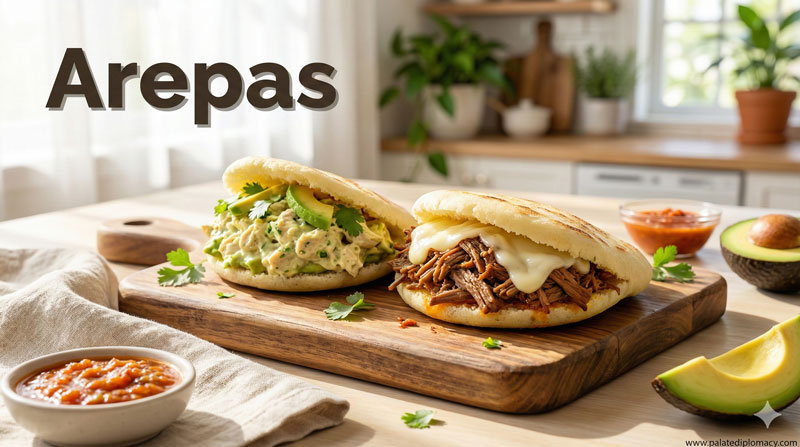
Furthermore, the versatility of arepas allows for endless culinary creativity. They can be filled or topped with a variety of ingredients, from cheeses and avocados to meats and beans. This adaptability makes arepas accessible across different regions and social settings, emphasizing their role as a democratic and inclusive dish that resonates with all levels of society.
Culinary Significance and Flavor Profiles
Venezuelan arepas are celebrated for their unique texture and flavor. Made primarily from cornmeal, they are known for their crispy exterior and soft, flavorful interior. The careful balance of ingredients and Cooking Techniques produces a satisfying contrast that delights the palate.
The significance of arepas extends beyond flavor. They are often paired with traditional Venezuelan accompaniments, enhancing their cultural importance. These pairings include fresh cheeses, juicy meats, and rich sauces, each contributing to a complete and satisfying meal. The preparation and presentation of arepas can vary from simple street-side snacks to elaborate family feasts, reflecting their adaptability and the deep-rooted culinary artistry behind them.
Arepas as a Reflection of Venezuelan Heritage
The art of perfecting arepas reflects Venezuela’s rich agricultural heritage, particularly its connection to maize cultivation. The traditional methods of preparing and cooking arepas highlight regional variations, showcasing the diversity within Venezuelan cuisine. In some regions, arepas are grilled, while in others, they are baked or fried, each method adding its own distinct flavor and texture.
Culinary enthusiasts and chefs alike continually seek to optimize the preparation of arepas, ensuring they maintain their authentic qualities while adapting to modern tastes. This ongoing pursuit of excellence underlines the dish’s importance as a cultural treasure that evolves while honoring its roots.
Final Thoughts
Venezuelan arepas are more than just a staple food; they are a vibrant expression of cultural identity and culinary artistry. Their versatility, flavor, and historical significance make them a beloved dish that continues to bring people together. Whether enjoyed as a simple snack or part of a festive meal, arepas serve as a delicious reminder of the richness of Venezuelan food culture.
Experience the beauty of Venezuelan arepas and appreciate their timeless appeal. Dive into their history, savor their flavors, and celebrate the culinary excellence that has made them a true national treasure.