
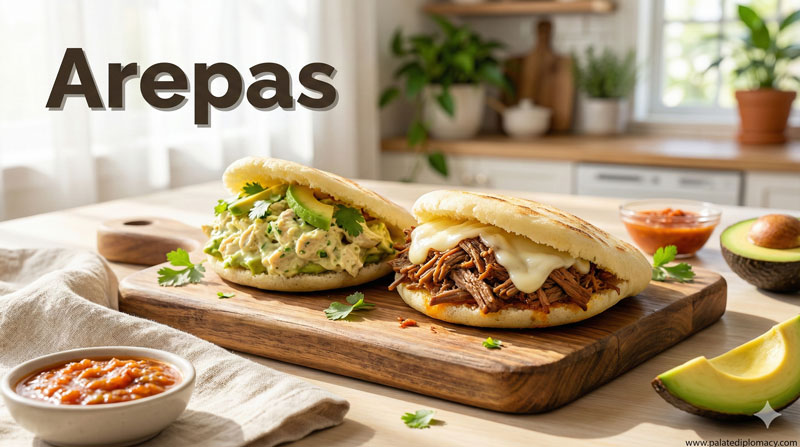
Venezuelan Arepas: A Celebrated Culinary Tradition
Venezuelan arepas are more than just a delicious staple; they are a cherished symbol of the country’s rich culinary heritage. These versatile, round breads made from ground maize hold a special place in Venezuelan culture, representing tradition, community, and everyday life. Whether enjoyed for breakfast, lunch, or dinner, arepas bring people together and showcase the country’s deep-rooted corn-based culinary practices.
The Cultural Significance of Arepas
Arepas have been a part of Venezuelan life for centuries, dating back to indigenous communities who first cultivated corn as a vital crop. Over generations, this simple yet hearty food evolved into a national icon. Today, arepas are more than just a dish; they are a cultural touchstone that connects Venezuelans across regions and generations.
The preparation and consumption of arepas often bring families and friends together, serving as a communal activity. Sharing a warm arepa offers a moment of connection, celebration, and tradition. Its presence at festivals, family gatherings, and everyday meals underscores its importance in Venezuelan social life.
Culinary Significance and Variations
Venezuelan arepas are celebrated for their adaptability, allowing a wide array of fillings and toppings. From cheese and avocados to shredded meats and black beans, the fillings reflect local flavors and preferences. This culinary flexibility makes arepas a perfect dish for any meal of the day, accommodating different tastes and dietary needs.
The preparation of arepas emphasizes the importance of technique. Achieving the ideal texture—crispy on the outside and soft on the inside—requires skill and attention to detail. This focus on craftsmanship underscores the dish’s value as a culinary art form, passed down through generations and refined over time.
Arepa Culture in Modern Venezuela
Today, arepas continue to be a symbol of culinary pride in Venezuela. They are featured prominently in local markets, Street Food stalls, and home kitchens. Modern chefs also experiment with innovative fillings and cooking methods, keeping the tradition vibrant and relevant.
Despite contemporary influences, the core of the arepa remains rooted in tradition. Its enduring popularity highlights its significance in daily life and its role as a cultural ambassador of Venezuelan cuisine. Arepas not only satisfy hunger but also serve as a delicious expression of national identity and cultural continuity.
Celebrating Venezuelan Arepas
In celebration of Venezuelan culinary heritage, enthusiasts and chefs worldwide recognize the artistry involved in making perfect arepas. The dish’s simple ingredients and adaptable nature make it accessible for cooks of all levels. By appreciating the cultural value and culinary significance of arepas, we honor a timeless tradition that continues to delight and unite communities.
Whether enjoyed in a bustling marketplace or at a family table, Venezuelan arepas exemplify the beauty of traditional cuisine. They remind us of the importance of preserving culinary practices that foster community, celebrate heritage, and nourish both body and soul.