
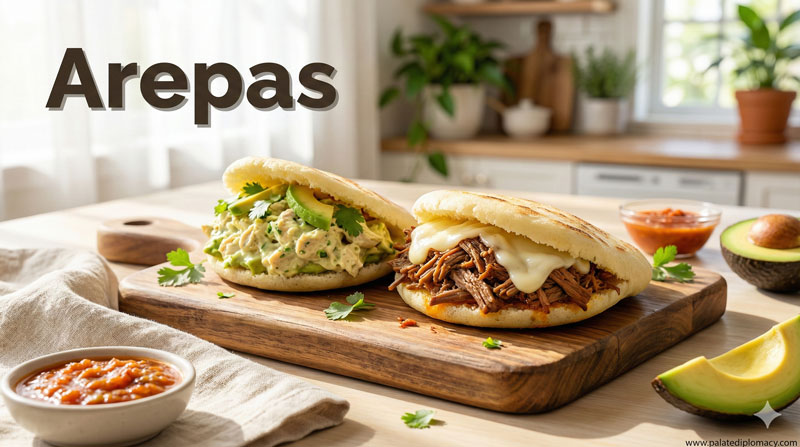
Venezuelan Arepas Equipment and Tools Needed
Venezuelan arepas are more than just a delicious staple; they are a symbol of cultural pride and culinary artistry. These versatile cornmeal cakes bring people together around the table and showcase the rich flavors of traditional Venezuelan cuisine. To honor their significance, it’s essential to recognize the equipment and tools that help craft authentic arepas. Let’s explore the essential items that elevate this beloved dish from simple ingredients to a culinary masterpiece.
The Heart of Arepa Making: The Right Equipment
Creating perfect Venezuelan arepas begins with using the appropriate tools. These tools not only ensure consistent results but also connect you with the traditional methods passed down through generations. The key equipment includes a reliable mixing bowl, a sturdy spatula or spoon, and a flat cooking surface that allows the arepas to develop a beautiful crust. Many Venezuelan kitchens also feature a traditional griddle or comal, which is essential for giving arepas their characteristic texture and flavor.
The Importance of a Proper Arepa Mold or Cutter
While some cooks shape their arepas by hand, using an arepa mold or cutter can help achieve uniform thickness and size. This consistency is crucial for even cooking and presentation. In Venezuela, handmade arepas carry a personal touch, but molds help busy cooks or beginners perfect their form. These tools also honor the craft, making the process both practical and aesthetically pleasing.
The Traditional Cooking Surface: Comal or Skillet
The comal, a flat, round griddle, holds a special place in Venezuelan culinary tradition. Made from cast iron, clay, or aluminum, the comal distributes heat evenly, ensuring the arepas cook thoroughly and develop a crispy exterior. Many home cooks prefer a cast iron skillet for its durability and heat retention. The choice of cooking surface reflects a commitment to authenticity and quality, enhancing the flavor and texture of each batch.
Optional Tools for Serving and Presentation
Once cooked, arepas are often served with an assortment of fillings or toppings. Serving tools such as a warm cloth or basket keep the arepas fresh and inviting. A butter knife or spreading knife can be used for adding butter, cheese, or other toppings. These simple tools highlight the communal and sharing aspect of Venezuelan cuisine, inviting everyone to enjoy these delightful treats.
Celebrating Tradition Through Equipment
The equipment used in making Venezuelan arepas embodies more than functionality; it’s a tribute to a shared culinary heritage. Using traditional tools like the comal or molds connects cooks to the roots of Venezuelan culture. Each piece of equipment contributes to the authentic experience, ensuring each arepa is a reflection of tradition and craftsmanship.
Conclusion
Venezuelan arepas are a testament to the country’s rich culinary identity. The right equipment and tools are vital in honoring this tradition and creating delicious, culturally significant dishes. Whether you’re a seasoned chef or a cooking enthusiast, understanding and respecting the equipment needed to Make authentic arepas allows you to appreciate their true cultural value. Embrace the craft, celebrate the flavors, and enjoy the beauty of this timeless Venezuelan dish.