
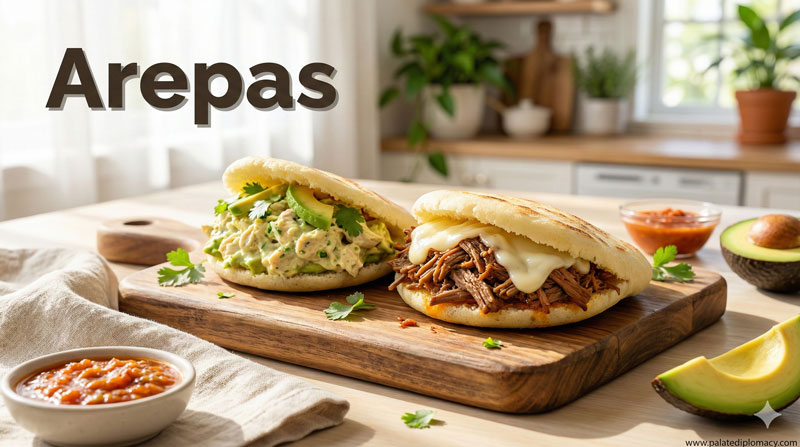
Exploring the Cultural and Culinary Significance of Venezuelan Arepas for Parties
Arepas are more than just a delicious dish; they are a vibrant symbol of Venezuelan cuisine and social life. This versatile food has a rich history rooted in tradition, and its presence at gatherings enhances the warmth and camaraderie of any celebration. Whether served as a snack or a main course, arepas bring people together through their unique flavors and cultural meaning.
The Cultural Roots of Arepas
Arepas have deep origins in Venezuelan culinary heritage. Made from simple ingredients like cornmeal, water, and salt, they reflect the resourcefulness and culinary ingenuity of the region. Traditionally, arepas were crafted in homes and local communities, often cooked over open flames or hot stones. Over generations, they evolved into a staple that embodies local identity and pride.
In Venezuela, arepas are woven into daily life and special occasions alike. They serve as a symbol of sustenance and unity, highlighting the importance of community and shared experiences. For many, preparing and sharing arepas is a cherished tradition that strengthens social bonds and celebrates cultural heritage.
Culinary Significance of Arepas
Arepas are celebrated for their versatility and adaptability in Venezuelan cuisine. They can be baked, grilled, or fried, offering a wide range of textures and flavors. Filled or topped with a variety of ingredients such as cheese, meats, beans, or avocados, arepas can be customized to suit any taste or dietary preference.
Their mild flavor acts as a perfect canvas for an array of fillings, making them ideal for communal eating during parties and gatherings. They are also a convenient and hearty option for large groups, as they can be prepared in advance and served at room temperature. This practicality, combined with their delicious taste, makes arepas a popular choice for celebrations.
Scaling Arepas for Parties
When hosting a celebration, scaling up Venezuelan arepas is both practical and culturally enriching. Preparing large batches allows hosts to serve a flavorful and authentic dish that resonates with guests. The process of making arepas in larger quantities encourages sharing and social interaction, fostering a lively and festive atmosphere.
In Venezuelan culture, sharing food is an act of hospitality and friendship. Offering freshly made arepas at a party demonstrates care and invites guests to partake in a tradition that is both nourishing and meaningful. Whether it’s a family gathering, a community event, or a festive celebration, arepas can be a centerpiece that celebrates culinary artistry and cultural pride.
Conclusion
Venezuelan arepas are much more than a simple cornmeal dish—they are a vibrant expression of cultural identity and social connection. Their rich history, culinary flexibility, and role in bringing people together make them an ideal choice for parties and celebrations. Embracing the tradition of scaling arepas for gatherings not only delights the palate but also honors a cherished culinary legacy that continues to thrive in Venezuelan culture. Invite your guests to experience the warmth and flavor of authentic arepas and enjoy a taste of Venezuelan heritage at your next event.